
I. Core Working Principle: Multi-Stage Filtration Process
Most household water purifiers follow the following basic process, with each filter stage responsible for treating different types of contaminants:
Pre-filtration (coarse filtration)
Filter Type: Typically a PP cotton filter.
Working Principle: Like a very fine sieve, it primarily uses physical interception.
Removes: Large particles of impurities in the water, such as silt, rust, insect eggs, and suspended solids.
Purpose: Protects subsequent, more sophisticated filters and extends their lifespan. This is the "first line of defense" for water purification.
Adsorption Filtration (Removes Residual Chlorine and Organic Matter)
Filter Type: Typically an activated carbon filter (granular activated carbon (GAC) or compressed activated carbon (CTO)).
Working Principle: Activated carbon utilizes its large surface area and porous structure to attract odors and discolorations in the water through physical adsorption, acting like a magnet. Simultaneously, it chemically reacts with residual chlorine, removing it. Removes: Residual chlorine, discoloration, odor (such as bleach), some organic matter (such as pesticide residue), and some volatile substances.
Purpose: Improves the taste and odor of water and protects the subsequent reverse osmosis membrane (if present) from oxidative damage caused by chlorine.
Core Filtration (Key Technology)
This is the most crucial step in determining the type of water purifier and its purification effectiveness. There are three main technologies:
Reverse Osmosis (RO) Technology
How it works: A high-pressure water pump forces water molecules through the RO membrane, which has a pore size of just 0.0001 microns. This pore size is only one millionth the size of a human hair, making it impervious to even viruses and metal ions. These trapped impurities are then discharged with the wastewater.
Removes: Almost all impurities, including heavy metals (lead, mercury, arsenic), bacteria, viruses, scale (calcium and magnesium ions), antibiotics, and inorganic salts. The result is near-pure "pure water."
Ultrafiltration (UF) Technology
Working Principle: This is also a membrane filtration method, but the pore size (approximately 0.01 micron) is much larger than that of RO membranes. Under normal tap water pressure, water and small molecules (such as minerals) can pass through, while large molecules are retained.
Removed Substances: Bacteria, colloids, rust, large organic molecules, etc.
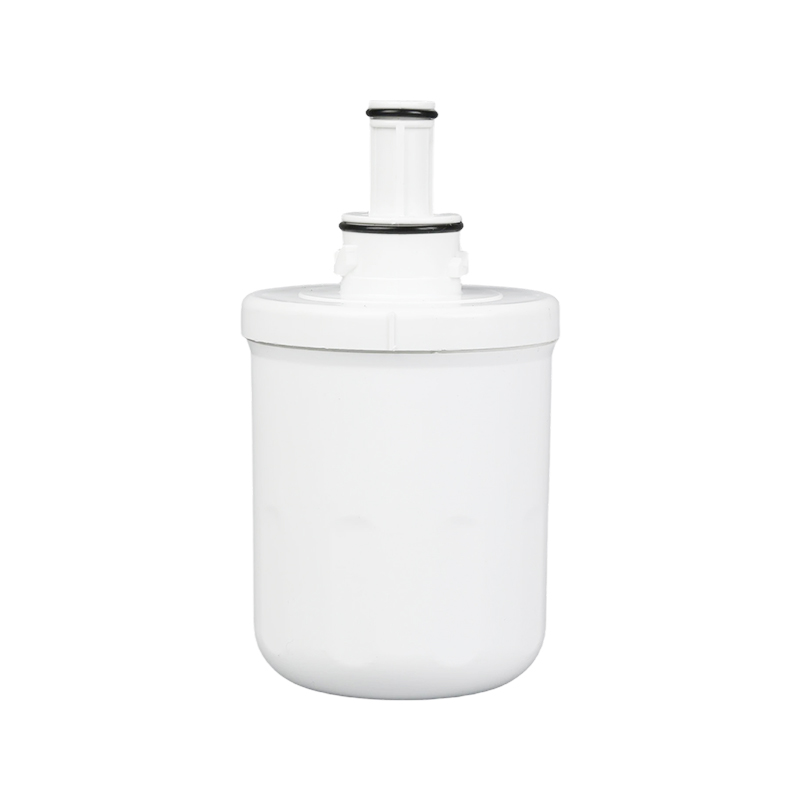
Samsung RF-01 refrigerator filter, model DA29-00003G, is a high-quality filter designed for Samsung refrigerators. This product uses advanced water filtration technology to effectively remove impuriti...
See Details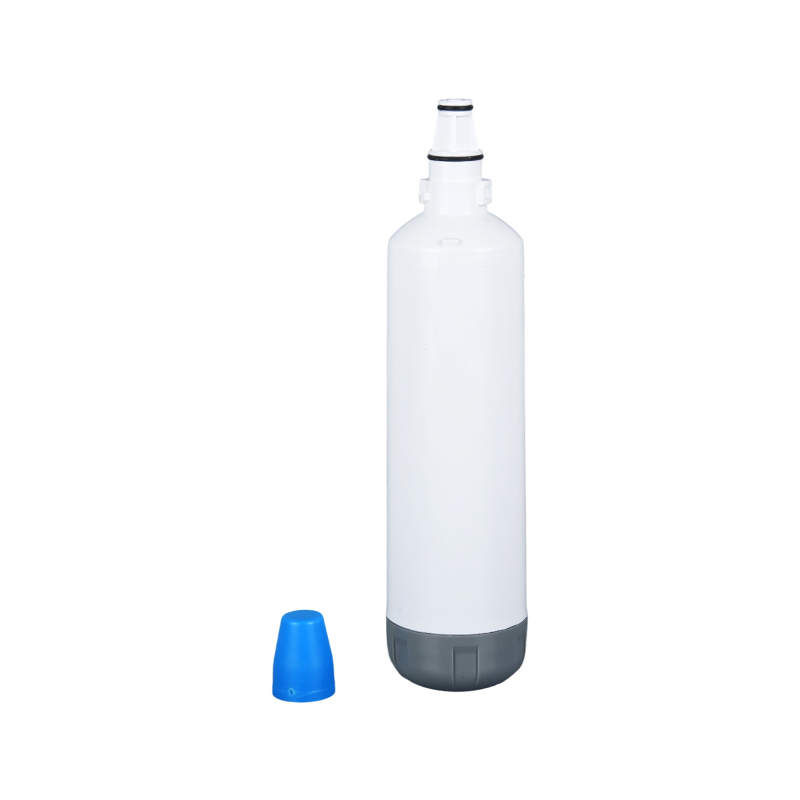
RF-53 refrigerator water filter, with its excellent performance and compatibility, has become a trusted choice for many families. RF-53 refrigerator water filter is designed to improve the water quali...
See Details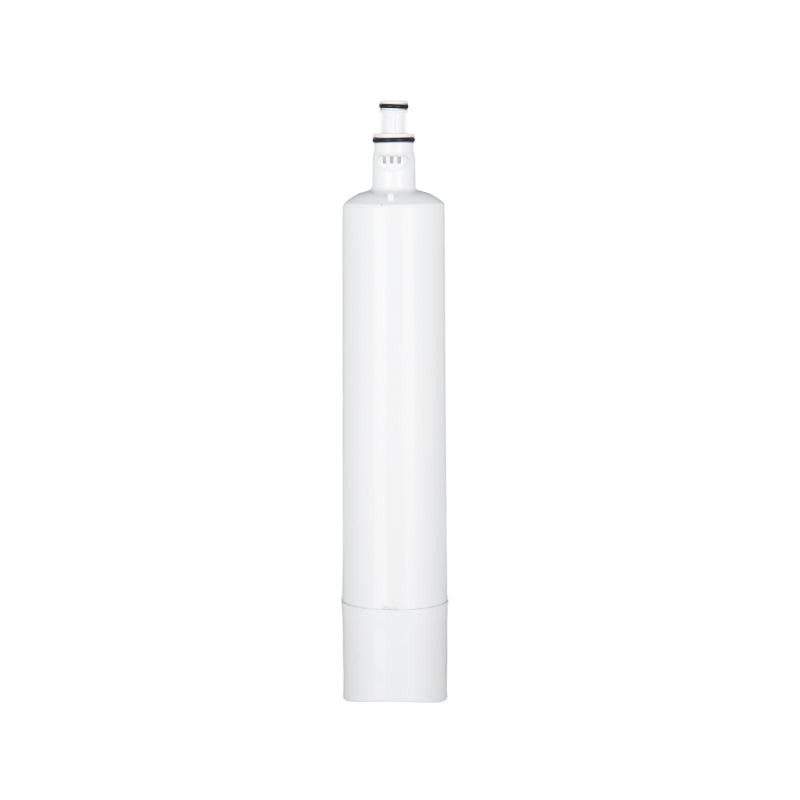
RF-26 refrigerator filter, compatible with GE RPWF series refrigerators, can be easily replaced without tools, and is easy and quick to install. It uses advanced multi-stage filtration technology to e...
See Details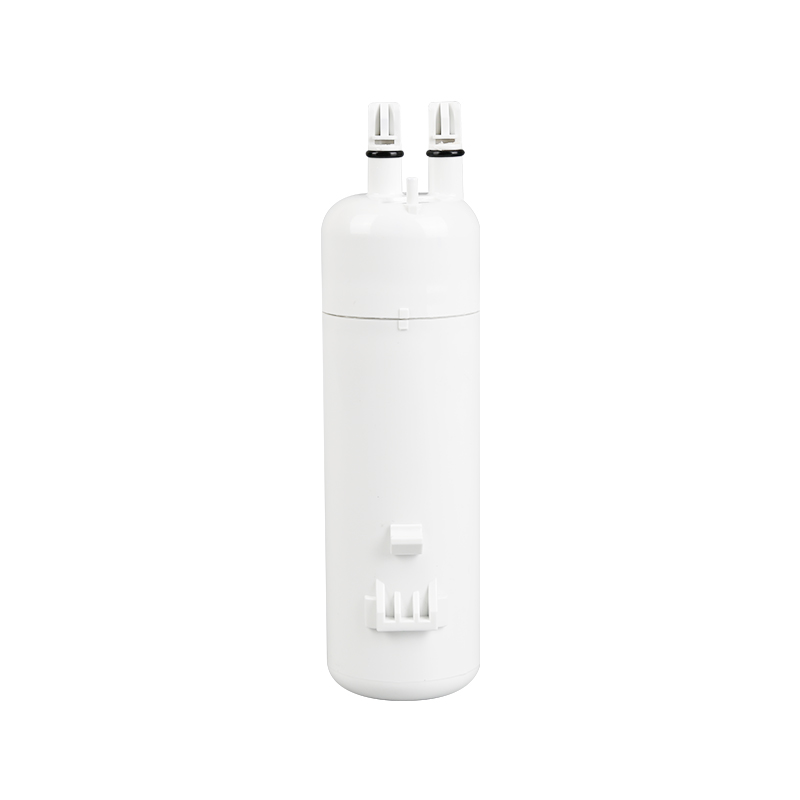
RF-27, as a water filter designed for high-end refrigerators, is compatible with refrigerator models such as WHIRLPOOL W10295370A and KENMORE 46-9930. With its excellent filtering performance and conv...
See Details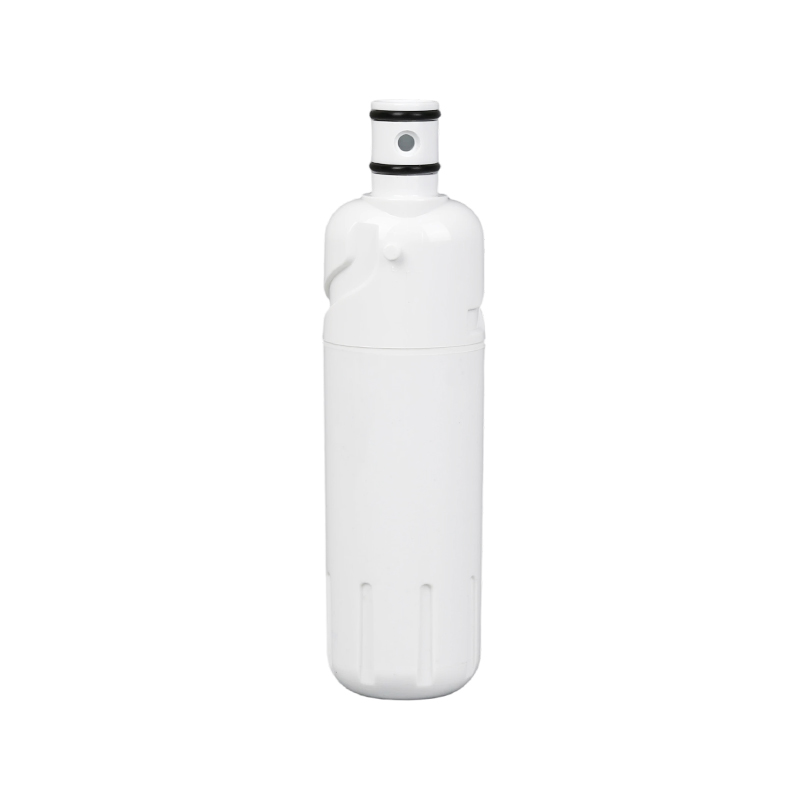
RF-28 refrigerator filter is specially designed for the pursuit of high-quality life. It is compatible with the FILTER2 series and models W10413645A and EDR2RXD1 of well-known brands such as WHIRLPOOL...
See Details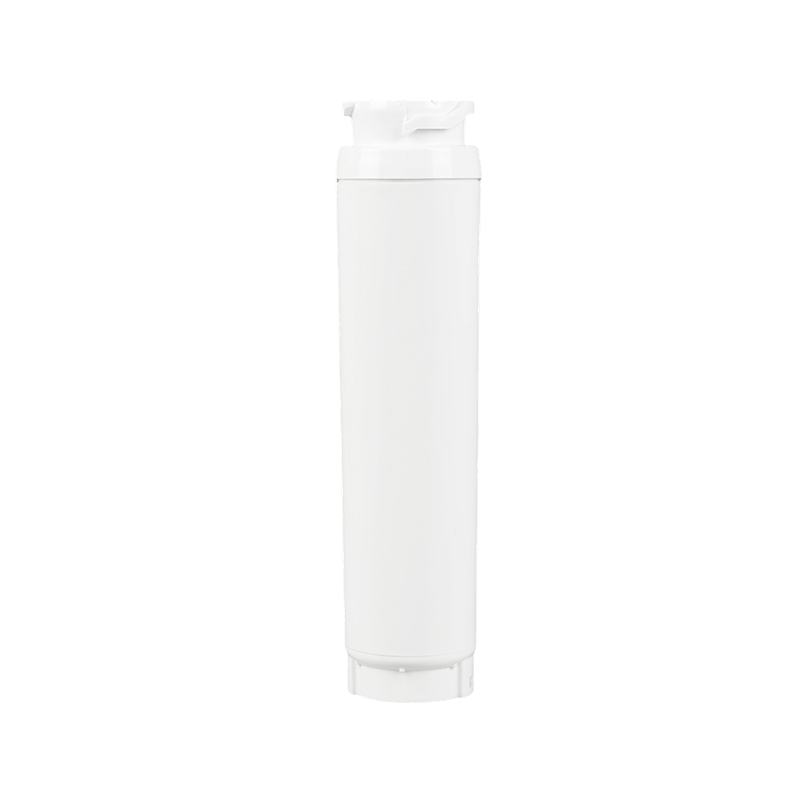
RF-29 refrigerator filter is specially designed for the pursuit of high-quality life and drinking water safety. Compatible with BOSCH 9000194412 model, it uses advanced filtering technology to effecti...
See Details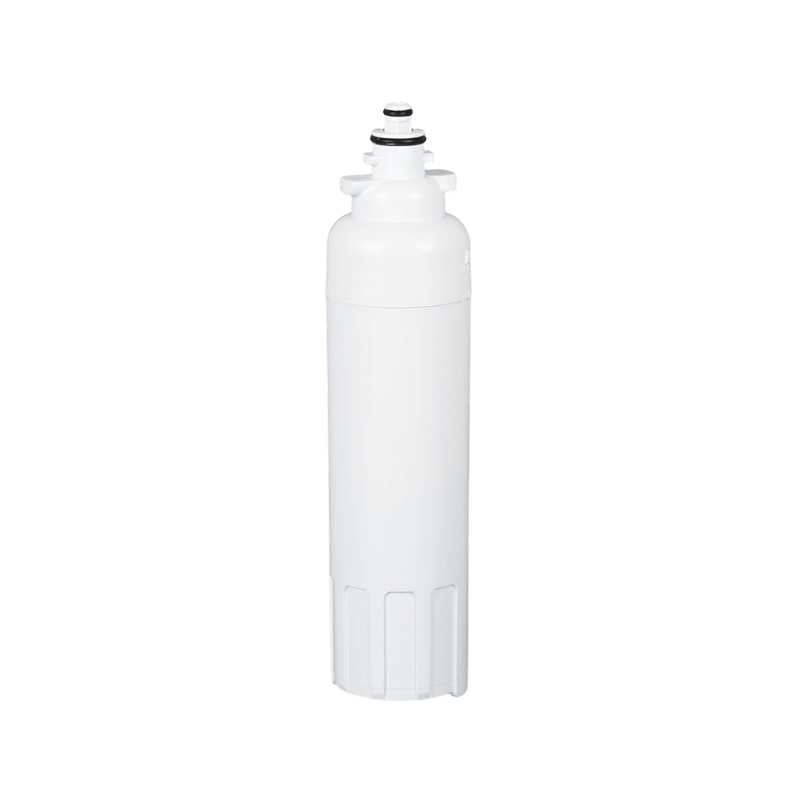
The RF-37 refrigerator-specific water filter is compatible with the LG LT800P model design and is designed to bring a fresh and pure drinking water experience to your family. Using advanced multi-stag...
See Details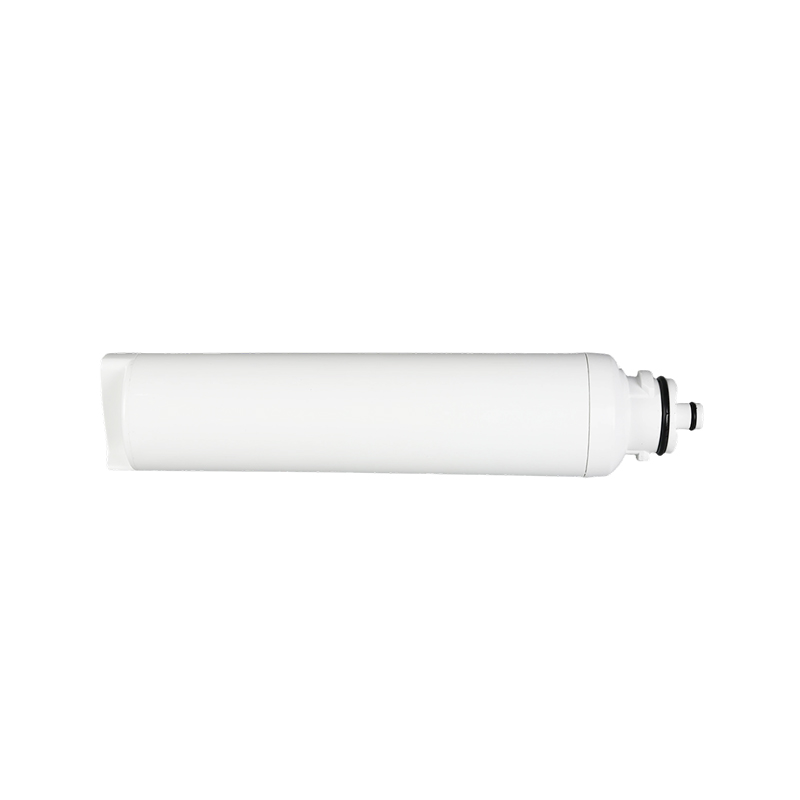
The RF-38 refrigerator filter is specially designed for LG series refrigerators, especially for the LG M7251253FR06 model. It is an ideal choice for your family's healthy drinking water life. Using ad...
See Details
CONTACT us
*Your email is safe with us, we don't spam.

 The company's main products include
 Contact Info
Phone: +86-13962755959 Tel: +86-513-87206118 E-mail: AK@chinnovel.com Add: 555 Yishou North Road, Chengbei Street, Nantong, Jiangsu

 Español
 عربى
عربى русский


