Follow us
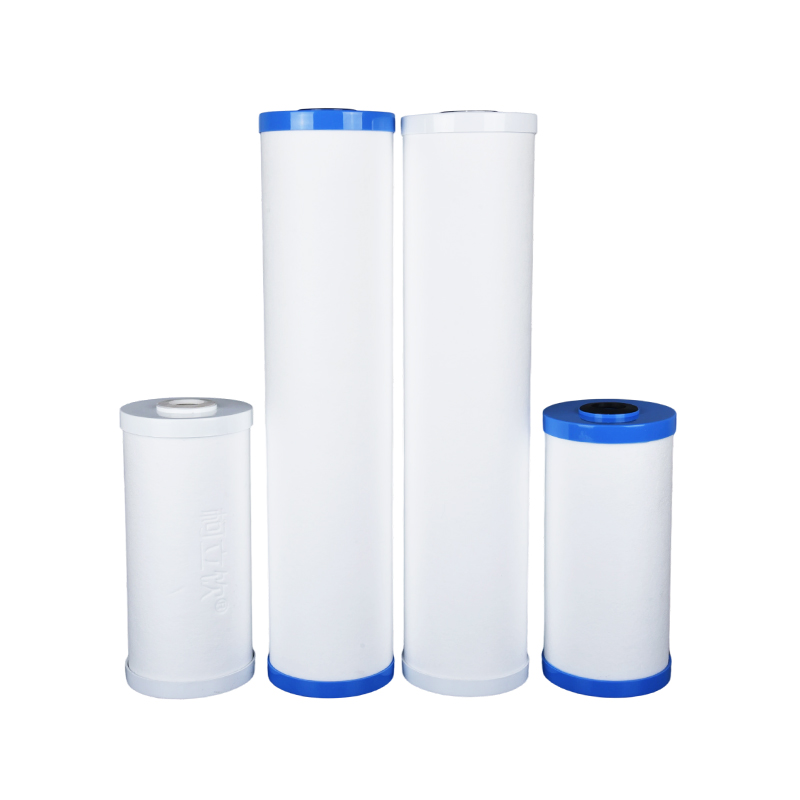
In modern industrial environments, the stability of fluid systems is the backbone of production. At the heart of this stability lies the Composite Filter Element, a sophisticated component designed to handle the rigorous demands of industrial separation and filtration. Unlike rudimentary filtration screens, a high-performance Composite Filter Element utilizes a multi-layered structure to manage high flow rates and particulate loads effectively. For facility managers and operations teams, understanding these components is the first step toward optimizing system longevity and reducing unnecessary maintenance.
As a manufacturer, Jiangsu Angkua Environmental Protection Technology Co., Ltd. recognizes that consistent filtration is not just about stopping debris; it is about maintaining a precise balance of pressure and flow. By integrating advanced filtration technology into critical systems, our engineering team ensures that equipment—ranging from hydraulic power units to large-scale water treatment infrastructure—operates at peak performance. When a system is protected by a properly engineered element, the likelihood of downstream component failure decreases significantly, safeguarding heavy capital investments.
The core value of the Composite Filter Element lies in its ability to combine diverse media types into a single, cohesive unit. This architectural approach allows for progressive filtration, where larger contaminants are intercepted by the outer support layers, while the inner, high-density layers capture finer particulates. This design philosophy is central to the manufacturing standards at Jiangsu Angkua Environmental Protection Technology Co., Ltd., where we prioritize high dirt-holding capacity to ensure that our partners can maintain long-term, uninterrupted production schedules.
The architecture of a superior Composite Filter Element is built upon a foundation of precision materials science. To withstand the harsh realities of industrial application—such as high-pressure spikes, corrosive chemical environments, and extreme thermal fluctuations—the structural integrity of each layer must be uncompromising.
A typical high-performance element consists of several distinct layers, each serving a specific mechanical function:
Protective Outer Cage: Provides structural reinforcement and prevents damage during installation or operation.
Filtration Matrix: The heart of the element, often composed of pleated glass fiber, synthetic mesh, or stainless steel wire.
Support Mesh: Prevents the filtration media from collapsing under high differential pressure.
End Caps and Sealing: Designed to ensure a leak-proof fit within the housing, preventing fluid bypass.
The selection of materials dictates the performance limits of the filtration system. Jiangsu Angkua Environmental Protection Technology Co., Ltd. utilizes standardized materials testing to provide clear expectations for operational environments.
| Material Type | Primary Application | Temperature Tolerance | Pressure Resistance | Chemical Compatibility |
| Stainless Steel Mesh | Hydraulic systems, high-heat fluids | High | Superior | Excellent |
| Micro-Glass Fiber | Precision particle removal | Moderate | High | High |
| Synthetic Fiber/Polyester | General industrial filtration | Low-Moderate | Moderate | Good |
Achieving the right balance between filtration efficiency and pressure drop is the technical benchmark for any quality-focused manufacturer. Jiangsu Angkua Environmental Protection Technology Co., Ltd. strictly adheres to international benchmarks like NSF and FDA standards to ensure that our filtration ratings provide true absolute protection, rather than just nominal estimates. Whether your system requires a 1-micron finish or a 50-micron pre-filtration stage, the geometry of our pleating process is optimized to maximize the total surface area, thereby reducing the differential pressure across the element during peak load times.
By utilizing precision-controlled manufacturing processes, we ensure that every unit maintains its structural integrity under stress, preventing media migration that often plagues lower-quality alternatives. This attention to detail is reflected in our adherence to global standards, including ISO15874 and GB/T18742, ensuring that our technical specifications remain reliable even in the most demanding global operational environments.
The versatility of a well-engineered Composite Filter Element allows it to serve as the silent guardian of industrial infrastructure across diverse sectors. Whether the objective is maintaining fluid purity in extreme-pressure hydraulic loops or ensuring water quality in large-scale municipal processes, the ability to tailor the element’s construction to the specific task is paramount. Jiangsu Angkua Environmental Protection Technology Co., Ltd. has developed its range of filtration solutions to integrate seamlessly into these high-stakes environments, ensuring that equipment reliability remains uncompromised by contamination.
In the petrochemical industry, even trace amounts of particulate matter or moisture can lead to catastrophic damage in compressors, turbines, and high-pressure fuel lines. A Composite Filter Element provides the robust, multi-layer defense required to strip contaminants from aggressive process fluids. By utilizing specialized, chemical-resistant materials, Jiangsu Angkua Environmental Protection Technology Co., Ltd. ensures that these components remain stable despite exposure to volatile chemicals and high-temperature cycling, thereby extending the service life of critical rotating machinery.
In large-scale manufacturing facilities and power plants, hydraulic systems act as the muscles of the operation. These systems are highly susceptible to silt—the fine, sub-micron particles that act like a grinding compound, wearing down valve spools and pump internals. By deploying high-efficiency, multi-layer elements, maintenance teams can stabilize fluid cleanliness levels to international standards. Our technical teams at Jiangsu Angkua Environmental Protection Technology Co., Ltd. work closely with facility engineers to match element design with specific pump requirements, ensuring that the pressure drop remains within efficient parameters even as the filter accumulates dirt.
Effective water purification often requires a multi-stage approach. A Composite Filter Element is frequently employed as a crucial pre-filter or a safeguard for Reverse Osmosis systems. By protecting expensive semi-permeable membranes from premature fouling, these elements significantly improve the long-term economics of water treatment plants. Jiangsu Angkua Environmental Protection Technology Co., Ltd. leverages its expertise in both purification equipment and specialized filter production to provide components that meet stringent domestic and international requirements, such as NSF and FDA certification.
The following table illustrates how filtration requirements shift across different industrial applications, highlighting the importance of choosing the correct element configuration:
| Industrial Sector | Primary Contaminant Type | Target Filtration Level | Key Performance Focus |
| Petrochemical | Hydrocarbons, metal fines | 3 micrometer to 10 micrometers | High Thermal Resistance |
| Hydraulic Systems | Metallic wear particles | 1 micrometer to 5 micrometers | High Collapse Pressure |
| Water Purification | Sediments, microbial matter | 5 micrometers to 20 micrometers | Flow Capacity and Longevity |
| Marine and Heavy Machinery | Salt spray, abrasive dust | 10 micrometers to 25 micrometers | Corrosion Resistance |
For engineers tasked with optimizing these systems, the goal is to find the optimal zone where filtration is fine enough to protect equipment, yet porous enough to prevent excessive energy expenditure due to pressure drop. Through our ongoing research and development at Jiangsu Angkua Environmental Protection Technology Co., Ltd., we provide the documentation and performance data necessary for technical teams to make informed decisions for their specific installations. By focusing on material compatibility and mechanical stability, we help facilities maintain continuous operation and minimize the risks associated with fluid contamination.
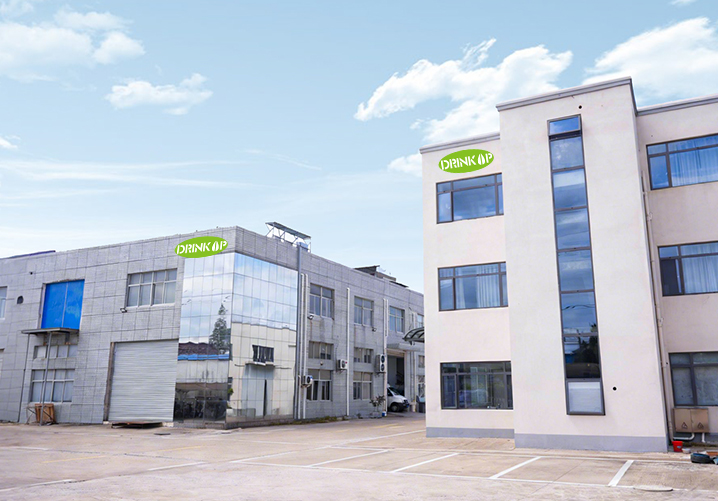
The reliability of any industrial component is fundamentally rooted in the precision of its manufacturing floor. When a facility relies on a Composite Filter Element to protect multi-million-dollar machinery, there is zero margin for error in how that component is constructed. Flaws in pleating consistency, minor gaps in end-cap bonding, or microscopic weld fractures can lead to media migration or total system bypass, rendering the filtration layer useless.
To eliminate these vulnerabilities, production facilities must implement strict controls over every stage of the fabrication process. At Jiangsu Angkua Environmental Protection Technology Co., Ltd., advanced production equipment and automated assembly lines ensure that every Composite Filter Element meets strict geometrical and structural tolerances. Precision pleating machinery maximizes the active filtration surface area within a compact footprint, while controlled thermal welding techniques secure the core media without introducing chemical contaminants or structural weak points.
Producing a high-integrity component requires a multi-layered quality assurance program. Before any batch leaves the facility, it undergoes a series of destructive and non-destructive evaluations to verify its operational limits.
The following table outlines the core quality control checkpoints utilized during the production of a standard industrial Composite Filter Element:
| Test Parameter | Methodology | Objective | Standard Benchmark |
| Collapse Pressure Resistance | Hydrostatic test rig applying controlled directional pressure | Verifies maximum structural load before deformation | ISO compliance |
| Bubble Point Test | Air-pressure differential test on wetted media | Identifies pore size to ensure micron rating accuracy | ASTM standards |
| Material Compatibility and Sealing | Thermal and chemical exposure tests on adhesives | Ensures seals do not degrade under harsh chemicals | NSF and FDA validation |
| Flow Fatigue Resistance | Cyclic fluid pressure testing | Evaluates endurance under fluctuating pressures | ISO standards |
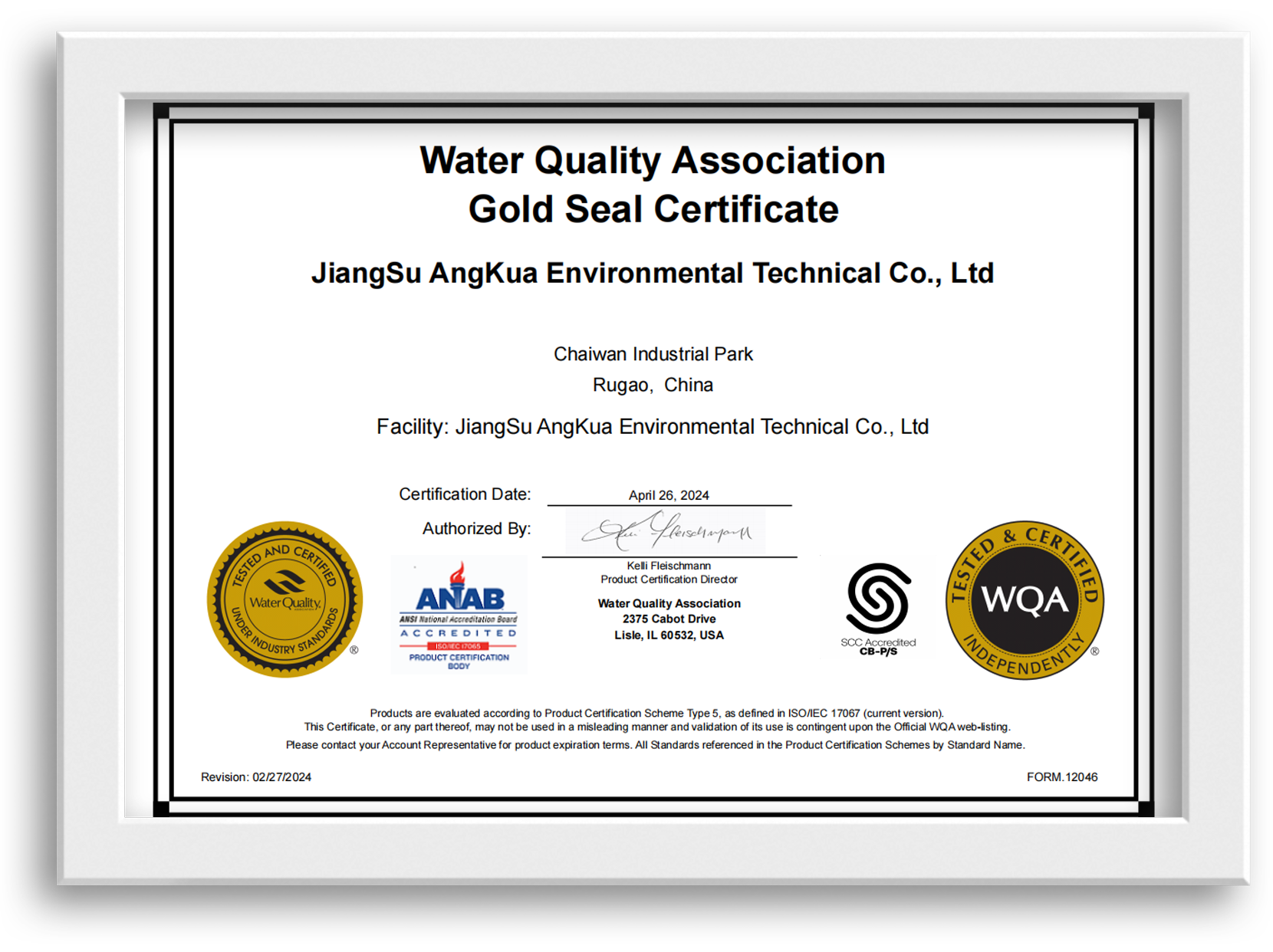
Compliance with internationally recognized benchmarks is a vital proof point for engineering teams evaluating component suppliers. Equipment must not only perform on paper but must also align with regional and global regulatory frameworks. Jiangsu Angkua Environmental Protection Technology Co., Ltd. ensures that our manufacturing ecosystems comply with established domestic and international benchmarks, including DIN8077, DIN8078, ISO15874, and GB/T18742.
Furthermore, material traceability is enforced from raw material intake to the final packaged unit. Whether utilizing stainless steel mesh, specialized synthetic polymers, or reinforced glass fibers, every raw lot is logged and tested for chemical purity. This meticulous approach to manufacturing and quality control allows Jiangsu Angkua Environmental Protection Technology Co., Ltd. to deliver components that consistently perform under extreme pressure, providing operational continuity for industrial facilities worldwide.
Industrial fluid dynamics are rarely one-size-fits-all. Standard catalog components can solve many everyday filtration challenges, but heavy-duty processing plants, specialized hydraulic skids, and proprietary water treatment systems often demand custom-engineered dimensions, non-standard end-caps, or unique media combinations. When engineers encounter specialized flow rates, restrictive housing dimensions, or aggressive chemical compositions, the ability to tailor a Composite Filter Element becomes an essential project requirement.
Addressing these specialized demands requires a flexible manufacturing ecosystem capable of rapid prototyping and precise scaling. Jiangsu Angkua Environmental Protection Technology Co., Ltd. operates with a dedicated technical engineering team that collaborates directly with plant designers and equipment manufacturers to develop tailored water treatment solutions. Whether the objective is modifying an existing housing geometry or engineering a multi-stage element from scratch, our technical staff utilizes advanced design software and prototyping equipment to translate blueprint concepts into production-ready hardware efficiently.
When developing a custom component, engineering teams typically adjust several key variables to match their exact operational thresholds. The table below outlines the primary customization parameters available for industrial filtration elements:
| Customization Parameter | Standard Options | Tailored Engineering Capabilities |
| Dimension and Length | Standard 10-inch to 40-inch formats | Custom outer diameters, extended lengths, and assemblies |
| End-Cap Configurations | Double Open End, Single Open End with O-rings | Threaded connections, custom flanges, and locking geometries |
| Media Layering | Standard single or dual-layer mesh | Proprietary multi-layer density gradients |
| Sealing Materials | Buna-N, EPDM | Viton, PTFE, or custom elastomers |
Beyond engineering design, large-scale industrial operations rely heavily on consistent supply chain execution and scalable production volumes. A custom specification is only as valuable as the manufacturer's ability to deliver consistent batches on schedule. Jiangsu Angkua Environmental Protection Technology Co., Ltd. combines advanced production equipment with rigorous quality management, ensuring that both high-volume standardized runs and specialized low-batch custom orders maintain identical structural integrity.
By maintaining strict control over raw material sourcing and manufacturing throughput, our facilities support long-term, stable partnerships with industrial clients across the globe, including widespread distribution throughout Europe, the United States, and domestic markets. This blend of customized engineering flexibility and reliable mass production ensures that critical filtration infrastructure remains supported at every stage of its operational lifecycle.
In industrial asset management, the true cost of a component extends far beyond its initial purchase price. For plant engineers and maintenance directors, the frequency of unplanned downtime, the labor cost of routine change-outs, and the energy penalty of restricted fluid flow all contribute to the Total Cost of Ownership. A high-performance Composite Filter Element directly influences these financial and operational metrics by optimizing fluid dynamics and extending the service life of expensive downstream equipment.
When a filtration element fails prematurely or experiences excessive pressure drops, the entire system pays the price. Restrictive airflow or viscous fluid drag forces pumps to work harder, directly increasing electrical power consumption. Furthermore, inadequate particle retention allows abrasive micro-contaminants to circulate through hydraulic loops, accelerating wear on valves, bearings, and seals.
To quantify how proper element selection impacts operational economy, consider the following performance and cost metrics associated with filtration lifecycles:
| Operational Metric | Substandard Filter Element | Optimized Composite Filter Element |
| Dirt-Holding Capacity | Low and prone to rapid surface blinding | High progressive depth loading across multiple layers |
| Replacement Frequency | Frequent intervals with high labor downtime | Extended operational intervals with reduced maintenance hours |
| Energy Consumption | Rapidly rising pressure drop increasing pump load | Stable, lower initial pressure drop maintaining energy efficiency |
| Downstream Equipment Risk | High exposure to silt-induced wear and failure | Robust protection lowering repair and replacement frequency |
Maximizing operational uptime requires a reliable supply of components that perform predictably under stress. Jiangsu Angkua Environmental Protection Technology Co., Ltd. focuses on delivering components that minimize lifecycle costs through exceptional dirt-holding capacity and robust structural integrity. By ensuring that every product meets rigorous international standards, our comprehensive water treatment solutions and filtration accessories help industrial facilities reduce maintenance overhead.
Through continuous innovation and strict quality control, Jiangsu Angkua Environmental Protection Technology Co., Ltd. aims to build long-term, stable partnerships with global enterprises. By investing in superior filtration technology, facilities can protect critical capital assets, reduce energy waste, and maintain seamless, continuous production schedules across domestic and international markets.
Traditional single-layer filters often trap contaminants entirely on the surface, leading to rapid clogging, a sharp spike in pressure drop, and frequent maintenance interventions. A multi-layer Composite Filter Element utilizes a progressive density architecture. Coarser outer layers intercept large debris, while finer internal matrices capture sub-micron particles. This depth-loading design significantly increases the overall dirt-holding capacity, extends service intervals, and ensures stable system performance over time.
Selecting the appropriate specification depends on several operational variables, including fluid viscosity, system operating pressure, operating temperatures, and the sensitivity tolerances of downstream equipment such as hydraulic pumps or precision valves. Jiangsu Angkua Environmental Protection Technology Co., Ltd. provides comprehensive technical support and water treatment solutions to assist engineering teams in evaluating these parameters, ensuring that the chosen element achieves an optimal balance between filtration precision and minimal flow resistance.
The maintenance approach depends heavily on the chosen construction materials. Elements built with pleated stainless steel mesh can often be cleaned and regenerated multiple times using ultrasonic baths or reverse-flushing techniques, provided the structural media has not been compromised. Conversely, disposable micro-glass fiber or synthetic composite variants are designed for single-use lifecycles to guarantee absolute filtration integrity upon reaching terminal differential pressure limits.
Ensuring reliability in global markets requires strict compliance with international and domestic benchmarks. Jiangsu Angkua Environmental Protection Technology Co., Ltd. operates under stringent quality management systems. Our manufacturing processes and water purification components are engineered to comply with recognized standards such as NSF, FDA, DIN8077, DIN8078, ISO15874, and GB/T18742, ensuring absolute dependability across diverse industrial and municipal environments.
Custom projects begin with a technical consultation to review specialized housing dimensions, end-cap configurations, or unique fluid compatibility requirements. Once blueprints or performance criteria are finalized, our advanced production equipment and skilled technical team facilitate rapid prototyping and rigorous sample testing. Following client approval, full-scale production runs are scheduled with strict quality control audits, ensuring consistent delivery timelines for industrial partners across Europe, the United States, and domestic regions.