Content
Quick Answer
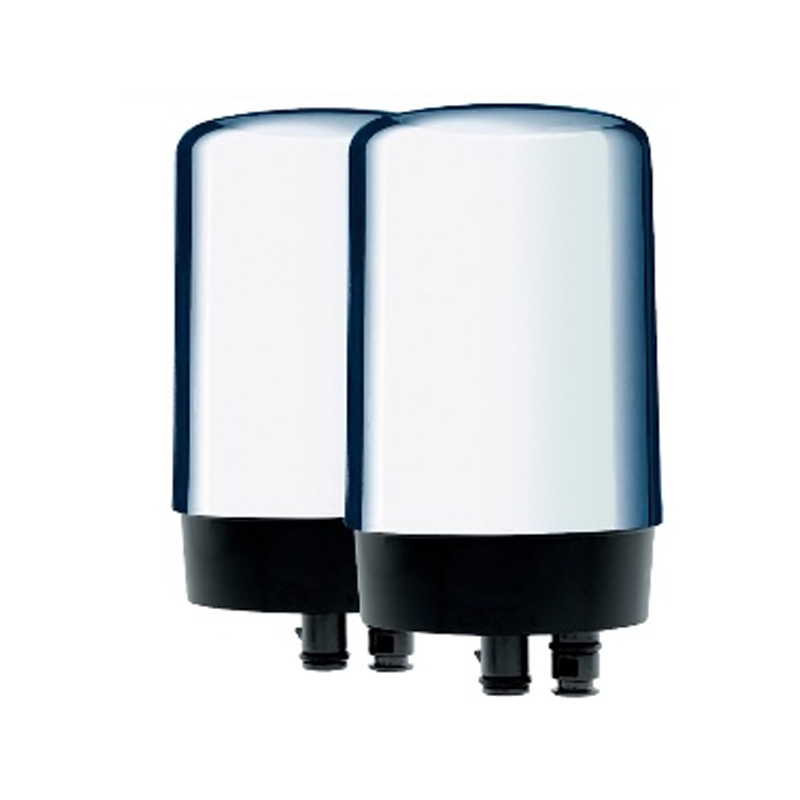
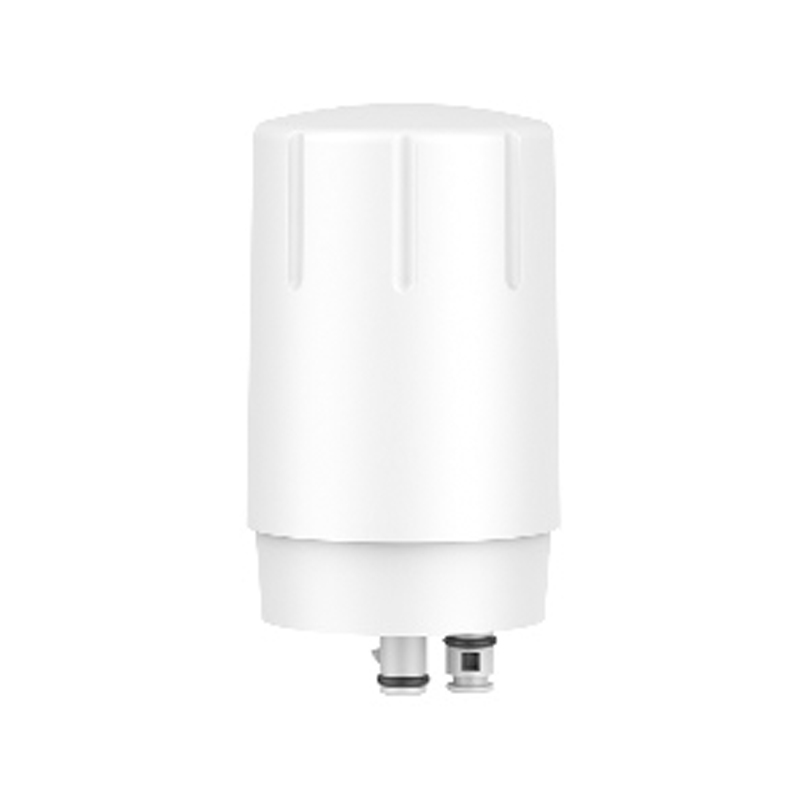
A faucet water filter is a cartridge-based unit that threads onto a standard kitchen faucet and cleans cold tap water at the point of use. It suits households that want better-tasting water for drinking and cooking, need an installation that requires no plumbing changes, and prefer a low upfront cost. The most important decision is the cartridge. Activated carbon handles chlorine taste and odor, a mechanical layer catches sediment, and only cartridges backed by independent test data should be trusted for lead or other health-related claims. Plan to replace the cartridge every two to three months, and never run hot water through it.
5 min
Typical tool-free installation time for a threaded kitchen faucet.
2–3 mo
Common replacement interval for a household cartridge.
100–300 gal
Usual capacity range, depending on water quality and flow habits.
Cold only
Temperature rating shared by nearly every faucet-mounted unit.
Two kitchens in the same city can have very different tap water. One house may receive heavily chlorinated water straight from the municipal main, while a house a few streets away may sit at the end of an older pipe run that carries more sediment. A faucet filter works best when the cartridge is matched to the real problem, so it is worth spending ten minutes understanding where your water comes from before you compare models.
Chlorine is the most common reason people notice a swimming-pool smell or flat taste in a glass of water. It is also the easiest concern to solve. A standard activated carbon cartridge reduces chlorine taste and odor effectively, which is why this is the situation where a faucet filter delivers the most obvious improvement.
Many utilities now use chloramine because it stays stable longer in the distribution network. It is harder for ordinary carbon to handle, since it needs more contact time. If your report mentions chloramine, look for a cartridge with a denser carbon bed or catalytic carbon, and expect to replace it on schedule rather than stretching it.
Well water is not treated by a utility, so it can carry sediment, iron, or microbiological risks that a basic faucet cartridge is not designed to solve. Test the well first. A faucet filter can improve taste and clarity, but it should never replace proper disinfection when the source is not known to be safe.
Water can pick up particles or trace metals on the last stretch through household plumbing, even when it leaves the treatment plant in good condition. In older buildings, choose a cartridge whose certification explicitly lists lead reduction, and let the tap run for a short time after long periods of non-use.
The simplest way to learn what is in your water is to read the annual water quality report published by your supplier, then confirm it with an inexpensive home test strip or a lab test if you have specific concerns. Write down the two or three issues that matter most, such as chlorine taste, cloudy water, or scale on the kettle, and use that short list as your buying filter.
Filter media are not interchangeable. Each layer has a job, and each is stronger against some concerns than others. The chart below gives an indicative picture of how typical media perform against common household issues. It is a general guide to relative strength, not a certified test result, so always confirm the exact claims printed on the cartridge you intend to buy.
Indicative strength of common filter layers (higher is stronger)
Values are illustrative ratings for comparison only. Real performance depends on cartridge design, contact time, water chemistry, and the certification the product has earned.
Notice how the heavy metals bar is lower and carries the word certified. That is deliberate. Reducing lead is not something ordinary carbon does reliably, and it is one of the few claims where independent testing against a recognized standard genuinely matters. Taste and odor claims are usually tested under NSF/ANSI 42, while health-related reductions such as lead fall under NSF/ANSI 53. If a package mentions lead but does not point to a standard, treat the claim with caution.
A faucet cartridge looks like a simple plastic cylinder from the outside, but the water inside follows a deliberate path. Understanding that path makes it easier to see why two cartridges of the same size can behave very differently.
Stage 1
Water first meets a porous layer that catches sand, rust flakes, and visible particles. Removing these early protects the carbon behind it from clogging and keeps flow steady for longer.
Stage 2
Carbon is full of microscopic pores. As water moves through, chlorine and many organic molecules cling to the carbon surface, which is why the taste of the water changes so quickly.
Stage 3
Some cartridges add ion-exchange resin or other media aimed at scale or metals. This stage is optional, and its value depends entirely on whether it matches a real issue in your water.
Stage 4
A fine screen at the exit stops loose carbon fines from reaching the glass. It is a small detail, yet it explains why a well-made cartridge produces clear water from the very first rinse.
Contact time is the quiet variable behind all of this. Water that rushes through a cartridge has less time to interact with the media, so reduction is lower at high flow. That is why many faucet filters include a gentle spray pattern or a flow limiter, and why filling a pot at moderate flow often gives better results than blasting the tap at full pressure.
Filter media do not switch off suddenly. They lose capacity gradually, and the decline accelerates near the end of rated life. The curve below shows the general shape of this behavior for chlorine reduction, using a typical carbon cartridge as the model. It is an illustration of the pattern rather than measured data for any single product.
Illustrative chlorine reduction across cartridge life
New
50% of life
Rated life
120% of life
The dashed vertical line marks the rated capacity. The curve falls away sharply after that point.
| Point in cartridge life | What you will notice | Recommended action |
|---|---|---|
| First 50 percent | Clean taste, steady flow | Use normally |
| 50 to 100 percent | Taste remains good, flow may soften slightly | Plan the replacement date |
| Beyond rated life | Chlorine smell returns, flow may drop | Replace immediately |
Two practical lessons follow from the shape of the curve. First, the gradual slope in the early months means you will not feel any urgency, which is exactly why a calendar reminder is more reliable than your sense of taste. Second, the steep drop at the end shows that stretching a cartridge by a few extra weeks costs far more in water quality than it saves in money.
Fit is the most common reason a new faucet filter ends up in a drawer. Most kitchen faucets end in a threaded aerator, and that thread is where the filter attaches. Some faucets, however, hide the thread, use a pull-out head, or have no thread at all. Check this before you order and the rest of the process is easy.
| Faucet type | Typical compatibility | What to check |
|---|---|---|
| Standard threaded aerator | Usually compatible | Thread gender and size |
| Pull-out or pull-down sprayer | Often not compatible | Weight and a sealed spray head |
| Smooth, unthreaded spout | Not compatible with thread-on units | Consider a different filter format |
| Faucet with touch or sensor control | Check carefully | Added weight can affect operation |
| Wall-mounted or commercial style | Varies by model | Outlet shape and clearance |
Thread sizes are less intimidating than they look. The most common household formats are a 15/16-inch male thread, a 55/64-inch female thread, and metric M22 and M24 versions. Remove the aerator, look at whether the thread is on the outside of the spout or inside it, and compare it with the adapter ring list supplied in the kit. If none of the rings fit, the faucet is probably not designed for a thread-on filter.
It also helps to measure the space beneath the spout. A filter hangs from the faucet, so a shallow gap between the spout and the sink bowl can limit where you place a pot or a tall bottle. Standing at the sink with a measuring tape for thirty seconds avoids an annoying return later.
The following three cartridges cover the most common household situations. Each takes a slightly different approach, so the right choice depends on what you value most: broad compatibility, quick replacement, or an easy way to track filter life.
People often assume that a filtration system is an extra expense. In practice it usually replaces an existing one, because most households already spend money on bottled water, whether they notice it or not. The comparison below uses clearly stated assumptions so you can swap in your own numbers.
| Assumption | Value used in this example |
|---|---|
| Drinking and cooking water per day | 4 liters for the household |
| Annual volume | About 1,460 liters |
| Cartridge price | 15 USD each |
| Cartridges needed per year | 4, replaced roughly every three months |
| Bottled water price range | 0.30 to 1.00 USD per liter |
Estimated yearly spend on drinking and cooking water (USD)
Estimates exclude the one-time cost of the filter housing and any local water charges. Your figures will vary with household size and local prices.
Even under cautious assumptions, the cartridge cost per liter comes out at a few cents, while bottled water sits many times higher. The gap widens in larger households, and it does not account for the time spent carrying, storing, and recycling bottles. For a family that goes through a case of water each week, the saving is not marginal.
Drinking is only the starting point. Once filtered water is available at the kitchen tap, you begin to notice it in a surprising number of small routines.
Coffee is more than ninety percent water, so water quality shows up directly in the cup. Removing chlorine lets the roast flavors come through more cleanly and avoids the dull edge that tap chlorine can add.
Delicate teas such as green or white varieties are especially sensitive to off-flavors. A fresher base water helps the leaf do the talking and often reduces the need for added sweeteners.
Water that is absorbed into food carries its taste with it. Cooking grains and legumes in filtered water gives a cleaner result, particularly in simple dishes where there is nowhere for flavors to hide.
Ice made from chlorinated water can release that smell as it melts. Filling ice trays from the filtered tap keeps cocktails, iced coffee, and lemonade tasting the way they should.
Rinsing produce under clean water is a small habit that feels better when the water itself is fresh. It will not replace proper washing, but it keeps the whole routine pleasant.
Many pet owners prefer to give animals the same fresh-tasting water they drink themselves. If your pet has a medical condition, ask your veterinarian about water choices before changing anything.
Good maintenance is mostly about rhythm. A short checklist spread across the life of a cartridge keeps performance consistent without taking more than a few minutes in total.
Day 1
Fit the cartridge, run unfiltered cold water for about a minute, then switch to filtered mode and run it briefly. Write the installation date on the housing with a marker.
Week 1
Look for drips around the adapter ring. A slow weep often means the ring is seated slightly off and can be fixed in seconds by reattaching it.
Month 1
Wipe the outside of the housing and the diverter switch. Mineral film can build up around moving parts and make the valve stiff if it is ignored.
Month 2
Place the order before you need it. Having a spare on the shelf is what turns a replacement date into a five-minute task rather than a week of delay.
Month 3
Swap the cartridge, flush the new one, and reset your reminder. Replace sooner if the flow drops or the chlorine smell returns.
If you are away from home for several weeks, run the filtered tap for a short time when you return. Water that has been sitting inside any cartridge for a long period is best flushed out before drinking.
Most faucet filter problems have simple causes. The table below covers the symptoms people report most often and the quickest thing to try for each.
| Symptom | Likely cause | What to try |
|---|---|---|
| Weak flow from the filter | Sediment trapped in the pre-layer, or a cartridge near its limit | Rinse the housing exterior, then replace if flow does not recover |
| Water leaks at the joint | Adapter ring not seated, or a worn seal | Remove, reseat the ring, and hand-tighten gently |
| Chlorine smell comes back | Cartridge has passed its useful life | Replace the cartridge and set a firmer reminder |
| Black specks in the first glass | Loose carbon fines in a new cartridge | Flush in unfiltered mode first, then run filtered water for a minute |
| Diverter switch is stiff | Mineral film around the moving part | Wipe clean with a damp cloth and operate it a few times |
| Filter will not stay attached | Wrong adapter ring size | Compare thread type again and choose the correct ring |
If a problem keeps returning after you have worked through the list, it is usually a sign that the incoming water is demanding more from the cartridge than it was designed for. Adding a simple pre-filter upstream or moving to an under-sink system may be the better long-term answer.
A few habits quietly cut cartridge life. They are all easy to avoid once you know about them.
Heat can damage the media and soften plastic parts. Keep the diverter on unfiltered mode whenever you draw hot water for washing up.
Filtering the water that goes down the drain uses up capacity for no benefit. Switch to unfiltered mode for rinsing dishes and cleaning.
Hand-tight is enough. Excess force can crack a ring or distort a seal, and it makes the next replacement harder than it needs to be.
Many households simply forget. A phone reminder or a pen mark on the housing solves the problem for almost no effort.
From the outside, two cartridges can look nearly identical. The differences show up in how consistently they are made. A careful manufacturing process pays attention to a handful of checkpoints, and these are the ones that matter most to the person using the filter at home.
Carbon and resin are checked for particle size and cleanliness before they enter the line, because inconsistent media leads to inconsistent water.
Sample cartridges are run at a set pressure to confirm the flow rate sits within the expected range, so the filter does not choke your tap.
Seals and joints are tested so that the cartridge holds together under normal household pressure, including the occasional surge.
Connection threads are checked with gauges so that the cartridge seats smoothly and does not need to be forced.
Each production batch carries a record, which makes it possible to trace any issue back to its source and respond quickly.
Cartridges are sealed and cushioned so that media stay clean and dry until you open the box and install them.
Certification adds an independent layer on top of these internal checks. Standards such as NSF and FDA compliance give you a reference you can verify yourself, which is more useful than any general statement about quality on a label.
There is no single best answer, but there is usually a sensible starting point. Use the table below as a quick way to match your situation to a first choice.
| Household | Main priority | Good starting point |
|---|---|---|
| Renter or short-term resident | No changes to the kitchen | Thread-on faucet filter that can travel with you |
| Small household of one or two | Better taste at low cost | Standard carbon cartridge on a schedule |
| Family with children | Easy shared maintenance | Direct-install cartridge with a visible status feature |
| Home with older plumbing | Metal concerns | Cartridge with certified lead reduction |
| Hard water area | Scale on kettles and taps | Carbon plus ion-exchange media |
| Very high water use | Capacity and convenience | Under-sink or whole-house system |
If you are unsure, begin with the simplest option. A faucet filter costs little, installs in minutes, and gives you a clear sense of what filtered water tastes like in your own kitchen. If your needs grow, you will know exactly what to ask for in a larger system.
No. Faucet filters are designed for cold water only. Hot water can damage the media and the housing, so switch to unfiltered mode whenever you need hot water.
Follow the time or volume limit on the package, whichever arrives first. Earlier signs include a returning chlorine smell or a noticeable drop in flow.
Only if the cartridge is certified for lead reduction. Standard carbon on its own does not reliably do this, so check the certification wording on the package.
Not unless the cartridge is specifically rated for that purpose. A typical faucet filter improves taste and reduces certain contaminants, but it is not a replacement for disinfection when the source is questionable.
It will if your faucet has a standard threaded aerator. Remove the aerator, check the thread size and type, and match it to the adapter rings supplied with the kit.
Water passes through media, so flow is slightly lower than from an open tap. A sharp drop usually means the cartridge needs a rinse or replacement.
Many parents do use filtered water, but it is wise to follow your pediatrician's guidance on water preparation, especially for infants.
Yes. Keeping one on the shelf makes it far more likely that you will replace the cartridge on time, which protects both water quality and your investment.
Explore the wider range of filtration options on our water filtration product page.
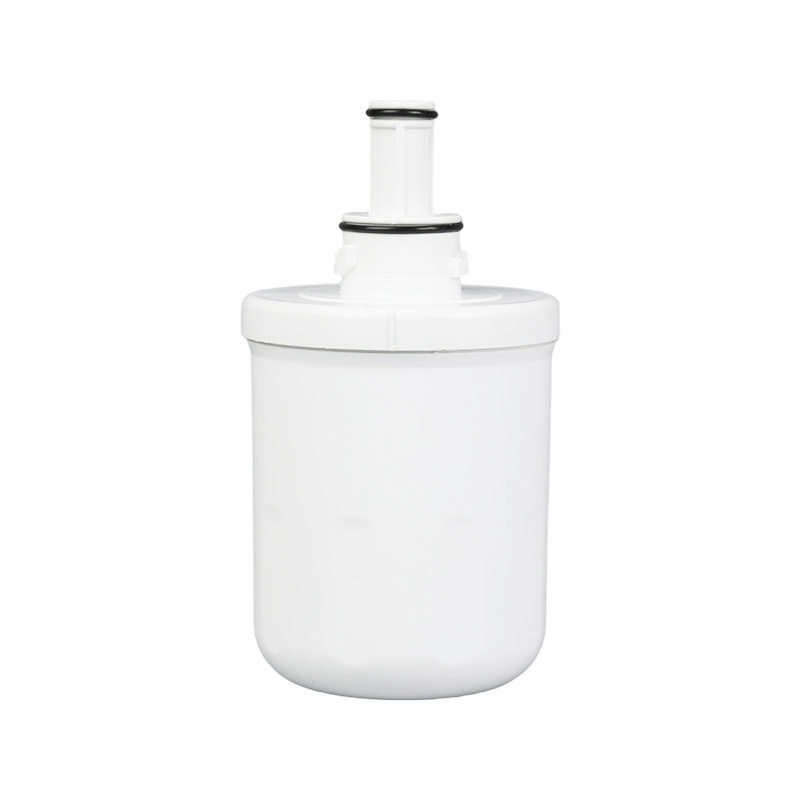
Samsung RF-01 refrigerator filter, model DA29-00003G, is a high-quality filter designed for Samsung refrigerators. This product uses advanced water filtration technology to effectively remove impuriti...
See Details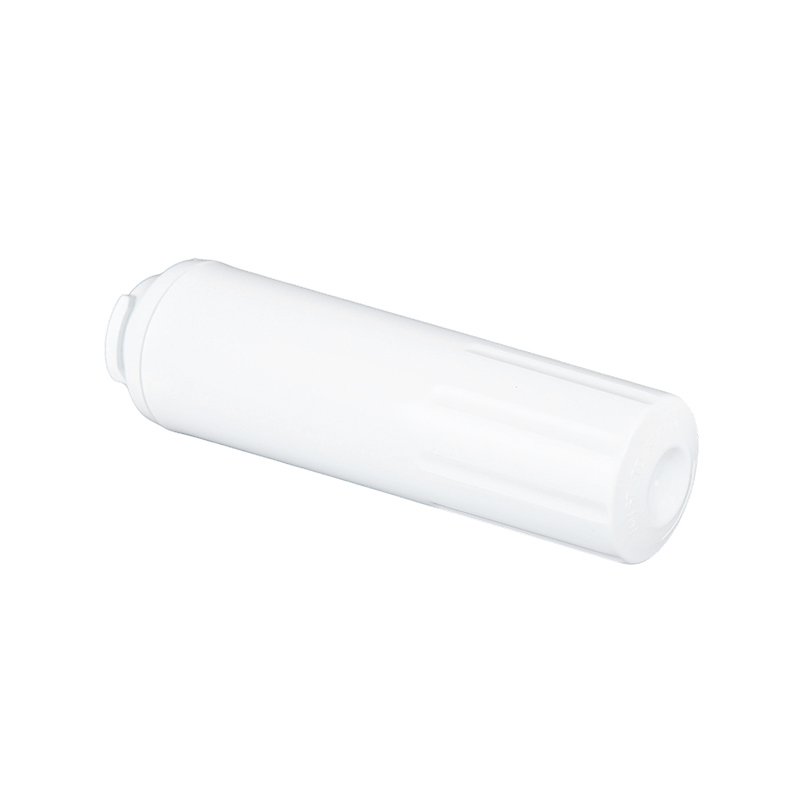
RF-11 refrigerator filter, as an innovative water purification solution designed for modern families, is not only perfectly compatible with MAYTAG UKF8001 series refrigerators, but also brings your fa...
See Details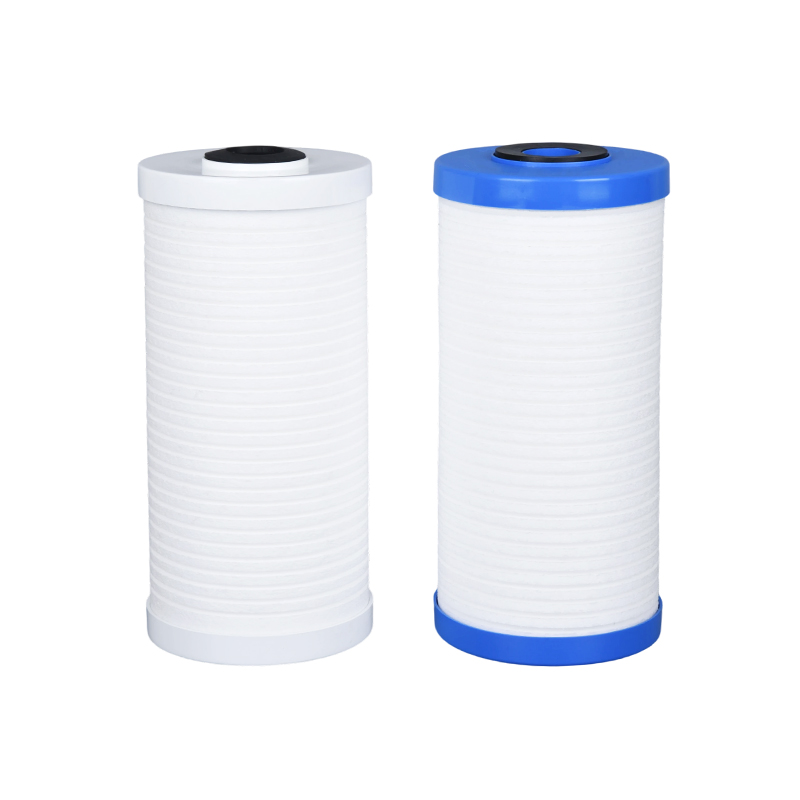
The AP810 whole-house water purification filter is designed for the pursuit of high-quality life. This filter adopts advanced filtration technology and integrates 10 high-efficiency fat groove designs...
See Details
RF-90 refrigerator water filter is specially designed for you who pursue high-quality drinking water life. It is compatible with DA29-0003G refrigerator model and is an ideal choice for your family's ...
See Details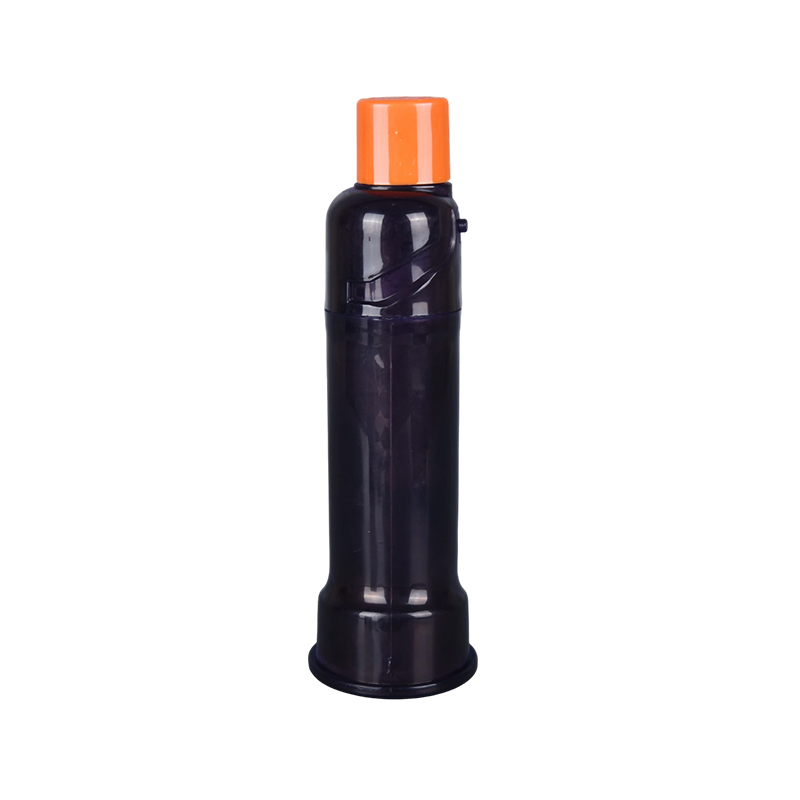
Compatible with ICE MAKER WATER FILTER F2WC9I1, RF-45 uses advanced multi-stage filtration technology to effectively remove impurities, residual chlorine, heavy metal ions and tiny particles in the wa...
See Details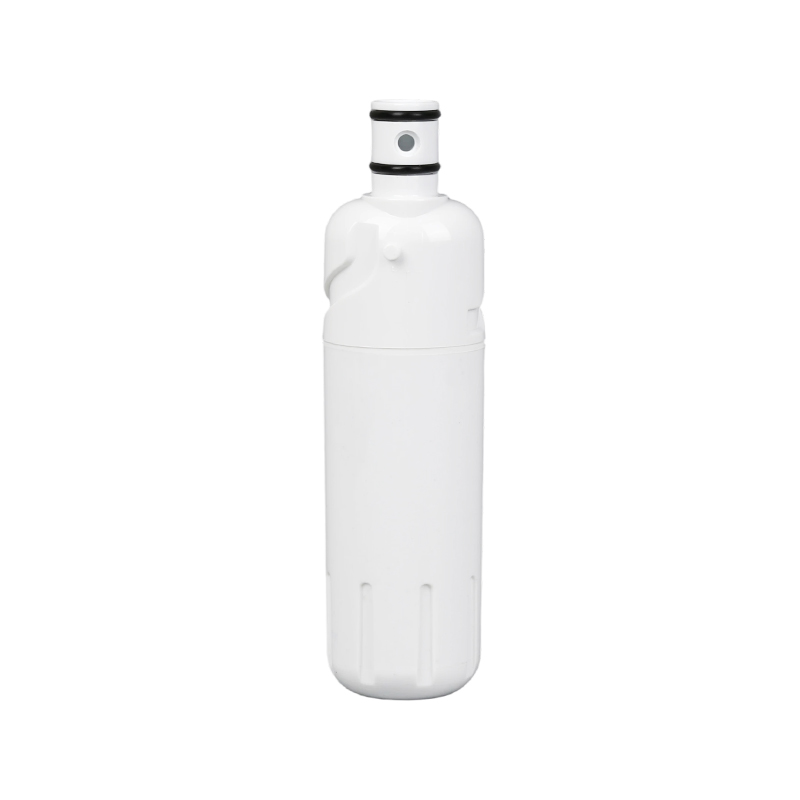
RF-28 refrigerator filter is specially designed for the pursuit of high-quality life. It is compatible with the FILTER2 series and models W10413645A and EDR2RXD1 of well-known brands such as WHIRLPOOL...
See Details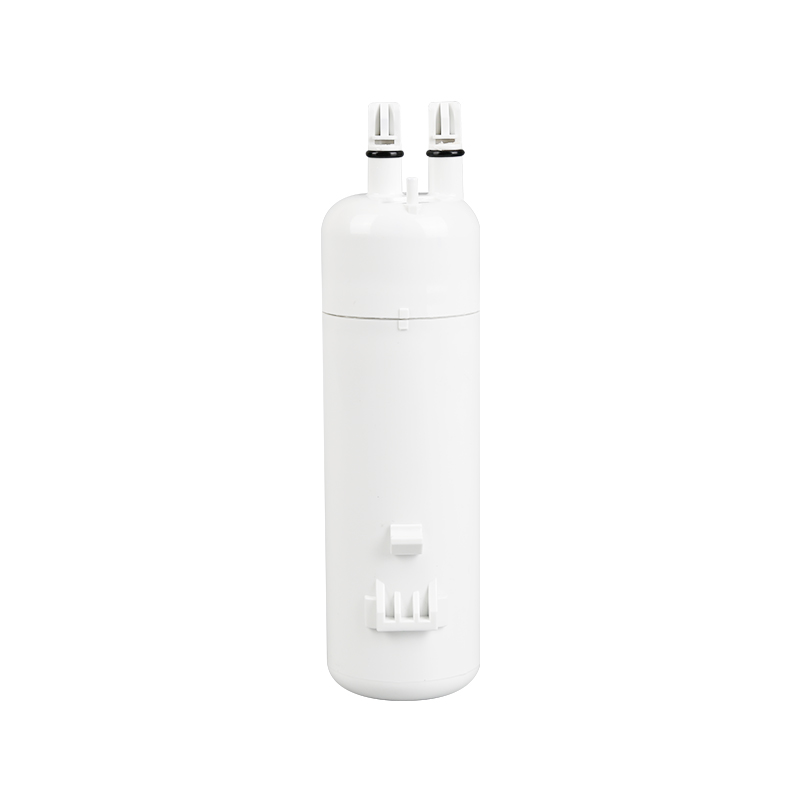
RF-27, as a water filter designed for high-end refrigerators, is compatible with refrigerator models such as WHIRLPOOL W10295370A and KENMORE 46-9930. With its excellent filtering performance and conv...
See Details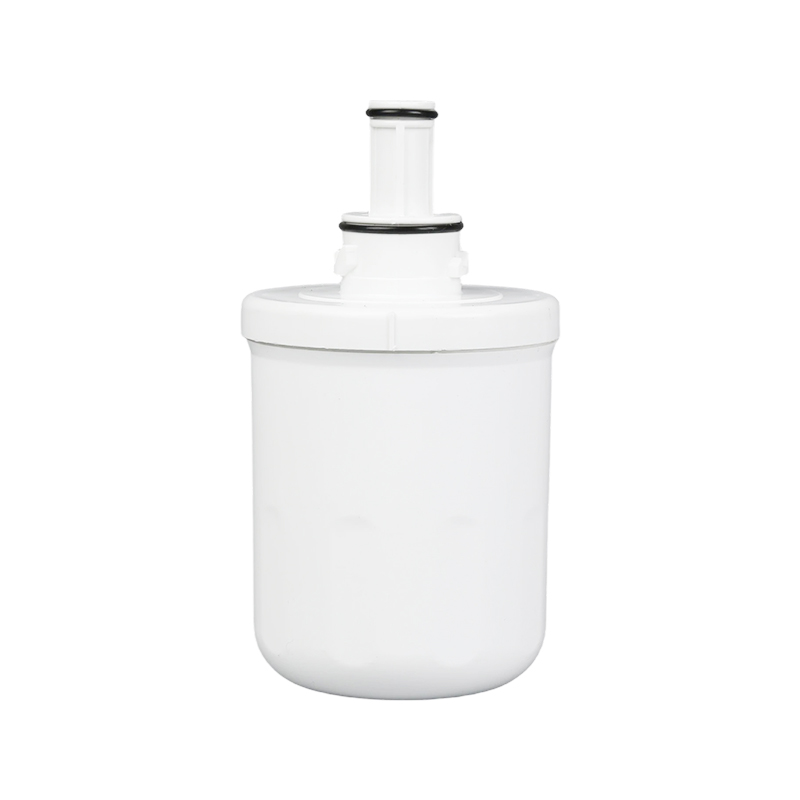
RF-01 refrigerator filter, as the guardian of household refrigerator water quality, is compatible with Samsung DA29-00003F model design. With its excellent filtering performance and convenient install...
See Details
CONTACT us
*Your email is safe with us, we don't spam.

 The company's main products include
Contact Info
Phone: +86-13962755959 Tel: +86-513-87206118 E-mail: AK@chinnovel.com Add: 555 Yishou North Road, Chengbei Street, Nantong, Jiangsu

 Español
 عربى
 русский