
Content
Water purification equipment removes suspended solids, microorganisms, dissolved chemicals, and heavy metals from water through a combination of physical filtration, chemical treatment, and disinfection stages. The right system depends on source water quality, required output volume, and the specific contaminants that need to be reduced — not on picking the most expensive unit available.
Every purification setup, regardless of scale, moves water through a sequence of stages rather than a single filter. Skipping stages — or buying equipment that only covers one — is the most common reason systems underperform. The diagram below shows the standard treatment path used in both residential and light commercial installations.
Pre-filtration protects the more delicate stages downstream — reverse osmosis membranes clog quickly if sediment reaches them unfiltered, cutting membrane life from years down to months. Carbon stages target taste, odor, and chlorine byproducts, while UV or ozone stages handle biological contamination that membranes alone won't fully address. Systems that combine two or three of these stages consistently outperform single-stage units on both output quality and equipment longevity.
There is no single "best" purification technology — each targets a different contaminant profile and comes with different tradeoffs in flow rate, waste water, and running cost.
| Technology | Best For | Flow Rate | Running Cost |
| Reverse Osmosis (RO) | Dissolved salts, heavy metals, nitrates | Low-Medium | Medium (membrane replacement) |
| Ultrafiltration (UF) | Bacteria, turbidity, cysts | Medium-High | Low |
| UV Disinfection | Viruses, bacteria (no chemical taste) | High | Low (bulb replacement yearly) |
| Activated Carbon | Chlorine, VOCs, taste/odor | High | Low-Medium |
| Ion Exchange | Hardness (calcium, magnesium), some metals | Medium | Medium (resin/salt refill) |
| Distillation | Broad-spectrum removal, lab-grade output | Very Low | High (energy-intensive) |
Municipal tap water, well water, and greywater each present distinct contaminant profiles, and equipment selected without testing the source first tends to be either underpowered or unnecessarily expensive.
Already treated at the plant level, municipal supplies mostly need equipment aimed at residual chlorine, disinfection byproducts, and pipe-sourced contaminants like lead or copper. A carbon block filter paired with a point-of-use RO unit under the sink typically covers this well without the need for whole-house UV.
Untreated groundwater varies far more — iron, manganese, hardness minerals, nitrates, and bacteria are all common depending on region. Well systems generally need a sediment pre-filter, an ion exchange softener for hardness, and a UV stage for biological safety, since well water isn't chlorinated at the source.
Food processing, laboratories, and manufacturing lines often require consistent, high-volume output with tighter tolerance on total dissolved solids (TDS). These setups typically run multi-stage RO with automated flushing, larger storage tanks, and continuous TDS monitoring rather than the point-of-use units common in homes.
Output quality isn't static — it degrades gradually as filters load with particulate and membranes lose rejection capacity, then resets sharply after service. Understanding this curve helps set realistic replacement schedules instead of waiting for visible performance drops.
The sawtooth pattern above reflects a typical carbon and sediment filter combination on a four-month replacement schedule. Systems left beyond the recommended interval don't just filter less effectively — clogged pre-filters also increase pressure load on downstream membranes, shortening their service life as a secondary effect.
Purchase price tells an incomplete story. A lower-cost unit with frequent, expensive consumable replacements can cost more over five years than a pricier system built around long-life components.
| Cost Category | Entry-Level System | Mid-Range Multi-Stage | Commercial-Grade |
| Upfront Equipment | Low | Moderate | High |
| Annual Consumables | Moderate-High | Moderate | Low-Moderate (per liter) |
| Energy Use | Minimal | Low-Moderate | Moderate-High |
| Expected Service Life | 3-5 years | 7-10 years | 10-15+ years |
Water waste is another cost factor frequently overlooked. Standard RO units without a permeate pump can send roughly 3-4 gallons of reject water down the drain for every gallon produced. Units built with recovery valves or booster pumps cut that ratio significantly, which matters both for utility bills and for installations where drain capacity is limited.
Membranes and cartridges are consumables, but the surrounding housing, pump, and control components have their own service life. A membrane replacement on a unit whose housing already shows cracking, persistent leaks at fittings, or a pump that no longer maintains pressure is often a short-term fix ahead of a full system failure. As a general guideline, once repair costs on a system approach half the price of a comparable new unit, replacement typically offers better long-term value.
Smart monitoring is becoming standard rather than optional — flow sensors and TDS meters that send replacement alerts remove the guesswork from maintenance timing. On the treatment side, hybrid systems that combine capacitive deionization with traditional membranes are showing promise for reducing energy use in brackish water treatment, while advances in membrane materials are extending typical RO membrane life without sacrificing rejection rates. For larger installations, remote monitoring dashboards now allow facility managers to track multiple units across sites from a single interface, catching performance drift before it affects output quality.
Sediment and carbon pre-filters typically need replacement every 3-6 months depending on source water quality, while RO membranes generally last 2-3 years under normal residential use. Heavier sediment loads or higher daily usage shorten these intervals.
Reverse osmosis and distillation remove most dissolved minerals along with contaminants, which is why some multi-stage systems include a remineralization cartridge as a final stage to add calcium and magnesium back before the water reaches the tap.
Yes, but usually not through a single filtration stage — combining reverse osmosis (for metals and dissolved solids) with UV disinfection (for bacteria and viruses) covers both categories, which is why multi-stage systems are standard for well water applications.
Point-of-use systems treat water at a single tap, typically under the kitchen sink, and are sized for drinking and cooking water. Whole-house systems treat all water entering the property, which is necessary when source water issues affect plumbing, appliances, or bathing water quality as well.
Most residential systems require a minimum of 40-60 psi to function at rated capacity. Reverse osmosis units in particular lose significant output efficiency below this range, and a booster pump is often added when source pressure is consistently low.
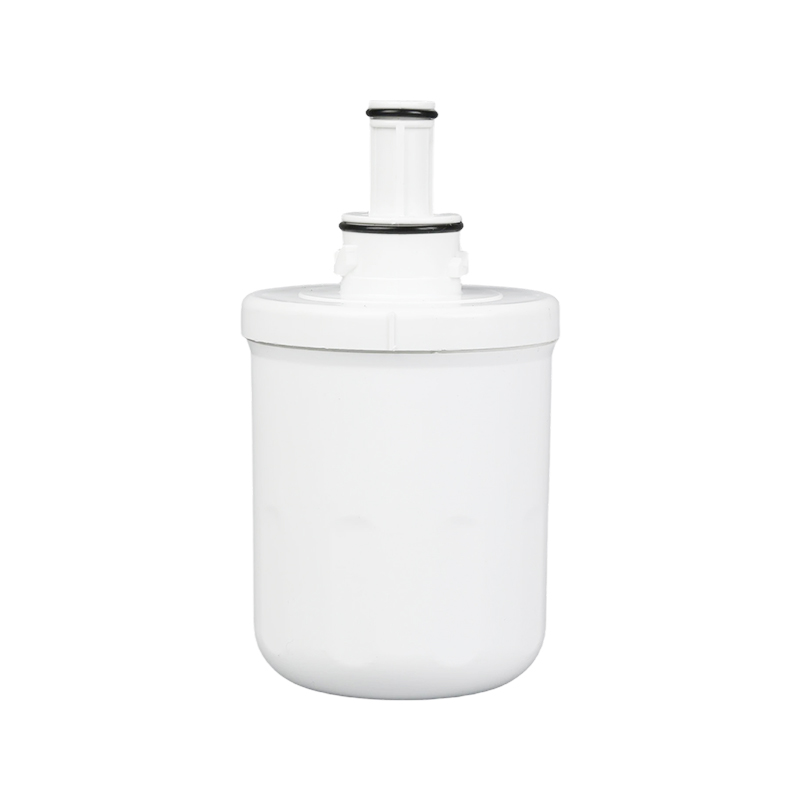
Samsung RF-01 refrigerator filter, model DA29-00003G, is a high-quality filter designed for Samsung refrigerators. This product uses advanced water filtration technology to effectively remove impuriti...
See Details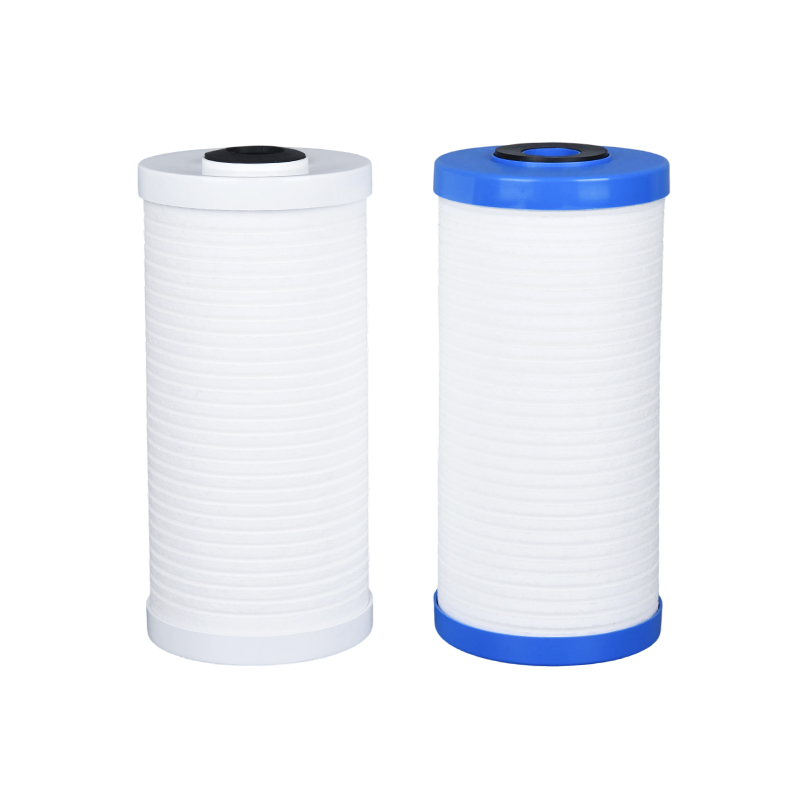
The AP810 whole-house water purification filter is designed for the pursuit of high-quality life. This filter adopts advanced filtration technology and integrates 10 high-efficiency fat groove designs...
See Details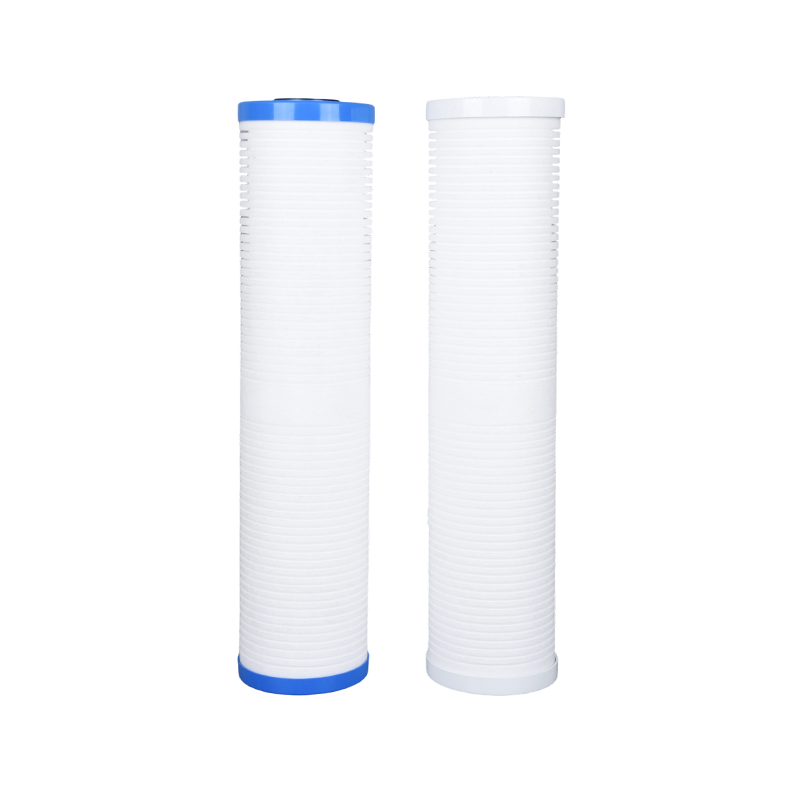
The AP810-2 whole-house water purification filter element adopts the advanced 20" large fat groove design, which not only improves the filtration efficiency, but also ensures the smooth flow of water ...
See Details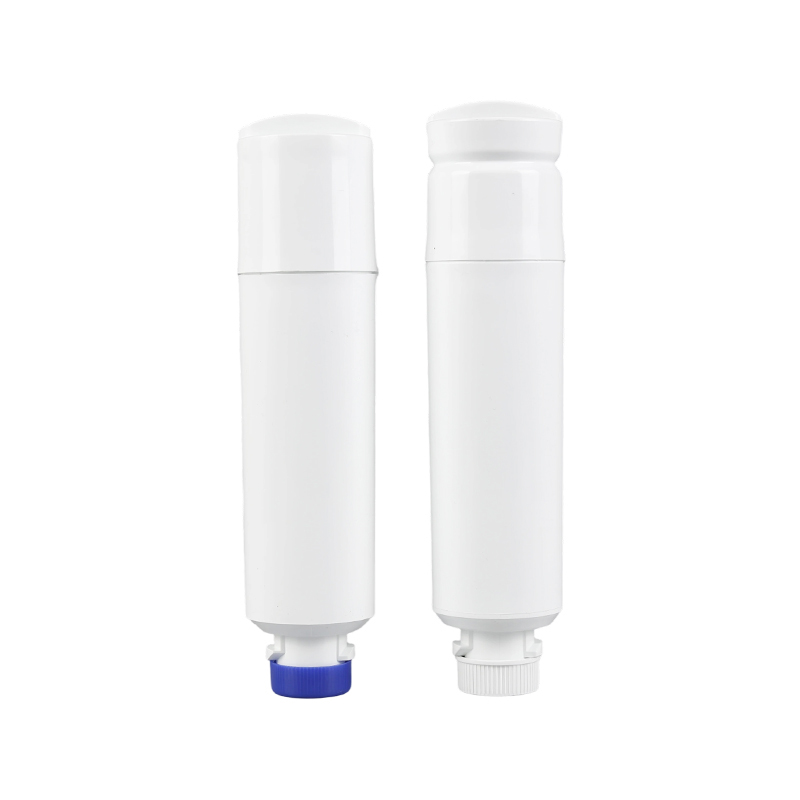
RF-03 refrigerator filter is specially designed to improve the quality of drinking water at home. It is perfectly compatible with Samsung DA29-00020B refrigerator and is an ideal choice for healthy li...
See Details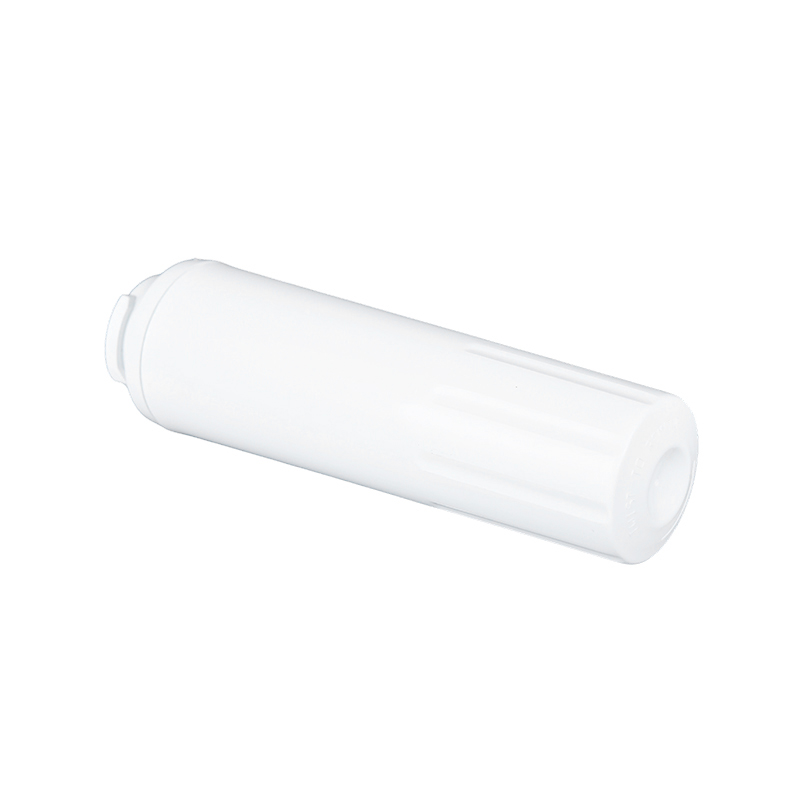
RF-11 refrigerator filter, as an innovative water purification solution designed for modern families, is not only perfectly compatible with MAYTAG UKF8001 series refrigerators, but also brings your fa...
See Details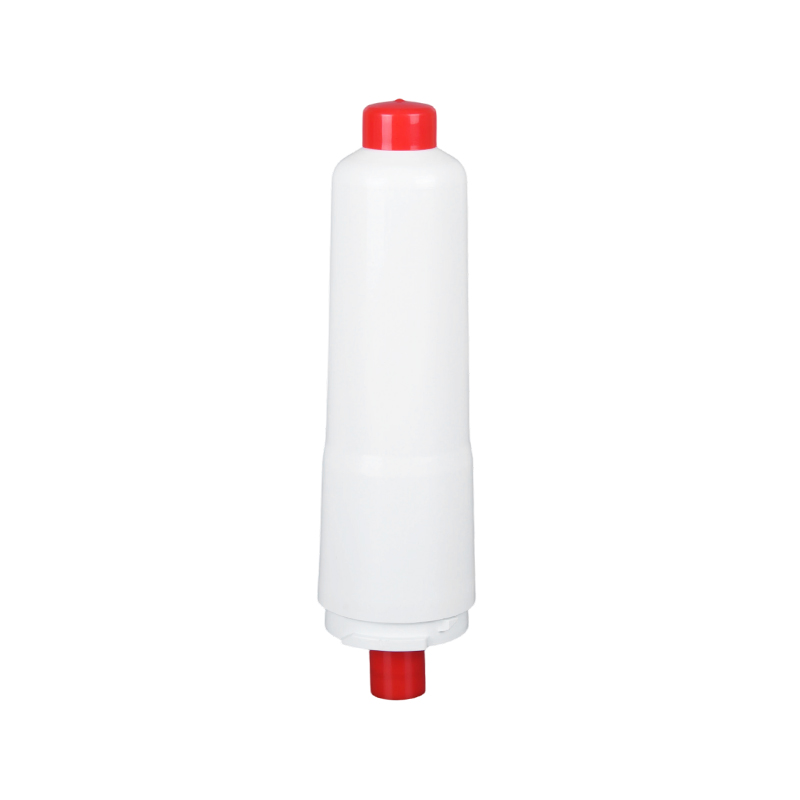
RF-62 refrigerator filter, as the preferred solution for efficient water purification, is designed for families pursuing healthy quality of life. Its excellent compatibility is perfectly adapted to th...
See Details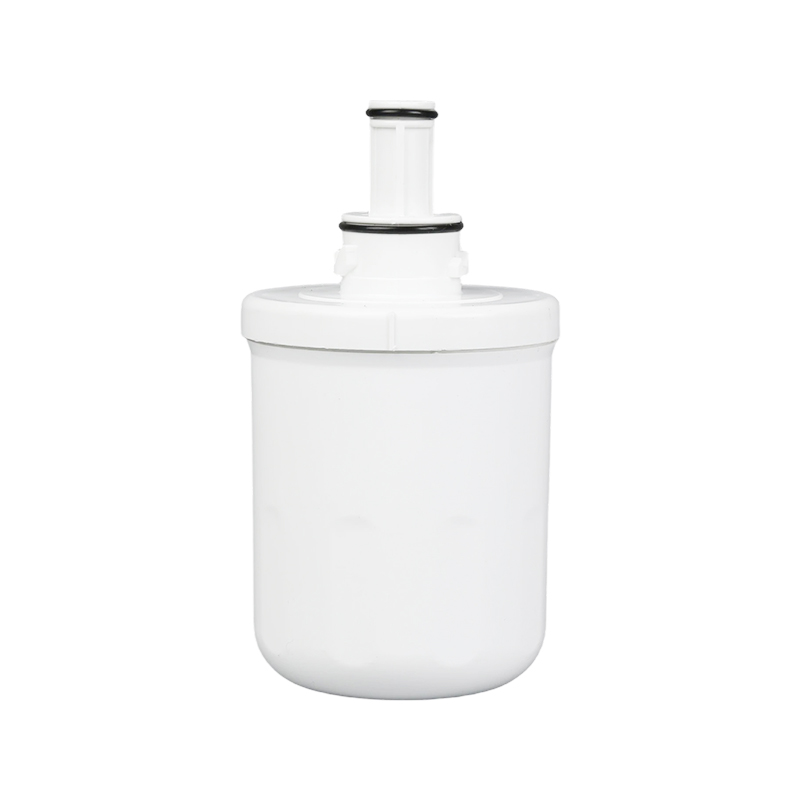
RF-01 refrigerator filter, as the guardian of household refrigerator water quality, is compatible with Samsung DA29-00003F model design. With its excellent filtering performance and convenient install...
See Details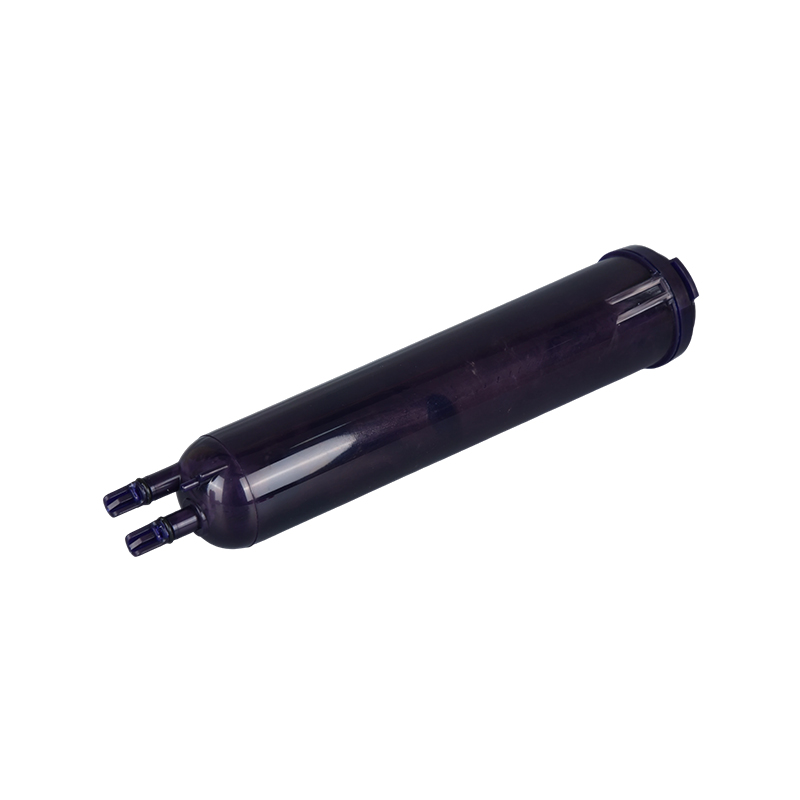
RF-05 high-end refrigerator water filter is tailor-made for you who pursue excellent quality of life. This filter element is perfectly suitable for WHIRLPOOL series refrigerators (including popular mo...
See Details
CONTACT us
*Your email is safe with us, we don't spam.

 The company's main products include
 Contact Info
Phone: +86-13962755959 Tel: +86-513-87206118 E-mail: AK@chinnovel.com Add: 555 Yishou North Road, Chengbei Street, Nantong, Jiangsu

 Español
 عربى
عربى русский


