
Content
Do water filters in refrigerators really work?
Yes, when the cartridge is certified for the claim you care about and is replaced on schedule. A refrigerator water filter is a point-of-use carbon block cartridge. It is built to reduce chlorine taste, odor, and selected contaminants, and certified versions are tested against NSF/ANSI 42, 53, 401, or 372. It is not designed to desalinate, soften, or sterilize water.
How often should you change your refrigerator filter for water? Every 6 months or at the rated capacity, whichever comes first. Heavy use, sediment-rich supply, or a long vacancy can shorten that interval.
A refrigerator water filter sits in the water line between your home supply and the dispenser, ice maker, or both. Water enters the cartridge under line pressure, passes through a porous carbon matrix, and leaves through a center channel toward the faucet tap or ice tray valve. The whole path is short, so the media must work quickly. Contact time inside the cartridge is usually only a few seconds, which is why media density, particle size, and flow path design matter as much as the type of carbon used.
When people ask whether refrigerator filtration is real or marketing, the useful answer is that it depends on three measurable things: the media formulation, the cartridge construction, and the certification data behind the label. A cartridge with a dense, well-sealed carbon block and an independent test report behaves very differently from an unmarked cartridge with loose granules and a weak end-cap seal.
Activated carbon has an enormous internal surface area, often exceeding 1,000 square meters per gram. Chlorine, chloramine by-products, and many organic compounds attach to those surfaces and leave the water stream.
The pressed block acts like a depth filter. Rust flakes, silt, and fine particles are trapped in the pore network. Tighter pores catch smaller particles but raise pressure drop, so the design is always a balance.
Some cartridges add a resin component. It exchanges certain dissolved metal ions, such as lead, for harmless ions, which extends the contaminant range beyond what carbon alone can reach.
A modern refrigerator filter is not a single block of carbon. It is an assembled component with several functional zones. Understanding the sequence explains why quality varies so much between cartridges that look nearly identical from the outside.
A nonwoven wrap catches coarse sediment before it reaches the block and slows early clogging.
The main reduction stage. Powdered carbon and a food-grade binder are pressed into a rigid tube.
A fine layer captures carbon fines so the first glass of water stays clear and clean.
Molded caps and O-rings force every drop through the media rather than around it.
The weakest link in many low-grade cartridges is stage four. If the seal leaks, water bypasses the carbon entirely, and the filter looks fine while delivering almost no treatment. This is why leak and pressure-cycle testing is as important as contaminant testing.
Clear expectations prevent disappointment. Carbon-based refrigerator cartridges are excellent at some tasks and simply not built for others. The two lists below separate the realistic performance envelope.
| Standard | Claim category | Example reduction targets | What it tells you |
|---|---|---|---|
| NSF/ANSI 42 | Aesthetic effects | Chlorine, taste, odor, fine particles | Water will taste and smell better |
| NSF/ANSI 53 | Health effects | Lead, cysts, volatile organic compounds | Cartridge reduces a named health-related contaminant |
| NSF/ANSI 401 | Emerging compounds | Certain pharmaceuticals, herbicides, pesticides | Cartridge addresses incidental trace compounds |
| NSF/ANSI 372 | Lead-free compliance | Wetted material lead content | The cartridge itself does not add lead |
A refrigerator filter does not fail suddenly. It ages along a predictable curve. Flow rate drifts down as pores load with sediment, and contaminant reduction stays high for most of the rated life before falling faster near the end. The chart below shows a representative engineering curve for a compressed carbon block cartridge under typical municipal supply conditions. Values are illustrative reference data, and real results vary with water quality, pressure, and temperature.
Read the curve this way: up to the rated limit the cartridge keeps most of its flow and chlorine performance. Beyond it, both measures drop quickly, which is the engineering reason replacement schedules are tied to capacity and not only to the calendar.
Three base materials dominate refrigerator cartridges. Each produces a different pore structure, hardness, and cost profile. The comparison below lists the parameters that matter most when a cartridge is specified or evaluated.
| Parameter | Coconut shell carbon | Coal-based carbon | Wood-based carbon |
|---|---|---|---|
| Dominant pore size | Micropores | Mesopores and micropores | Mesopores and macropores |
| Chlorine and odor reduction | Excellent | Good | Fair |
| Hardness and carbon fines | High hardness, low fines | Medium hardness | Softer, more fines |
| Typical iodine number | 1,000–1,200 mg/g | 900–1,050 mg/g | 700–900 mg/g |
| Best suited for | Taste, odor, VOC reduction | General-purpose filtration | Color and larger organic molecules |
Reference values from laboratory chlorine challenge tests at the midpoint of rated capacity. Granular media loses ground because water can channel through gaps in the bed.
The standard answer is six months. That figure comes from the way manufacturers rate cartridges: a typical household uses a certain volume per day, and the rated capacity is reached around the half-year mark. The calendar limit also protects against a second issue, which is biological. Carbon holds moisture and organic residue, and even a lightly used cartridge becomes a better environment for microbial growth after several months in a cold, damp appliance cavity.
The rule is simple: replace at six months or at the rated volume, whichever arrives first. Your own schedule can then be adjusted using the factors below.
6 months
One or two people, occasional ice. Replace on the calendar even if the indicator has not triggered.
5–6 months
A family of three to four with daily dispensing and regular ice production.
3–4 months
Large households, frequent entertaining, or heavy ice demand. Capacity runs out early.
2–4 months
High sediment or rust in the supply line loads the pre-filter wrap and block much faster.
| Factor | Effect on filter life | Recommended adjustment |
|---|---|---|
| Daily water and ice volume | Higher volume reaches rated capacity sooner | Estimate liters per day and divide into rated capacity |
| Sediment and turbidity | Clogs the pre-filter and block, reducing flow | Shorten the interval by 30–50% if water looks cloudy |
| Chlorine or chloramine level | Higher levels consume carbon capacity faster | Check the annual water quality report |
| Water temperature | Warm inlet water lowers adsorption efficiency | Keep inlet water below 38°C (100°F) |
| Vacancy or travel | Stagnant water favors microbial growth | Flush after absence; replace after several weeks idle |
| Water pressure | Pressure outside range reduces contact and flow | Keep supply within 138–827 kPa (20–120 psi) |
Days until replacement = Rated capacity in liters ÷ Daily consumption in liters
Example: a 750 L cartridge in a home that draws 5 L per day for drinking, cooking, and ice lasts about 150 days, which is close to five months. A home using 8 L per day reaches the same limit in about 94 days, or just over three months.
The indicator light is a timer or flow counter, not a water quality sensor. Learn to recognize the physical signs, because they can show up before the light does.
A glass that once filled in seconds now takes much longer. Pressure drop across the clogged block is the usual cause.
When adsorption sites are full, chlorine passes through again. The water tastes like it did before the filter was installed.
Reduced inlet flow to the ice maker produces undersized cubes, hollow centers, or ice with a stale smell.
Black specks suggest carbon fines escaping, while brown flakes point to sediment bypassing a worn seal.
Treat the light as the last reminder, not the first. Replace within a week of it turning on.
Gurgling or vibration during dispensing can signal restricted flow or trapped air behind a loaded cartridge.
An expired cartridge does not simply stop working. It can make water quality worse than a fresh cartridge in three specific ways.
Saturated carbon can release previously captured compounds back into the stream when inlet concentration drops, a behavior known as chromatographic displacement.
Moist carbon and trapped organic matter support heterotrophic bacteria. Although typically harmless to healthy people, it causes off-flavors and slime at connection points.
A clogged cartridge forces the inlet valve and ice maker to work against higher resistance, shortening component life and increasing the risk of fitting leaks.
Replacing a refrigerator water filter takes about five minutes and needs no tools in most designs. Follow the order below to avoid air locks and carbon dust.
Match the cartridge connection type and length to the refrigerator. Push-in, quarter-turn, and twist-lock styles are not interchangeable.
Close the supply valve or turn off the dispenser, then place a towel under the filter housing to catch residual water.
Rotate it in the direction marked on the housing or press the release button, then pull straight out to protect the O-rings.
Remove packaging and protective caps, align the guide marks, and rotate until it locks in place with a firm stop.
Reopen the supply and dispense 3–5 liters (about 5 minutes) to clear air and carbon fines until the water runs clear.
Reset the indicator, discard the first two to three batches of ice, and note the installation date on the cartridge or in a calendar.
The same cartridge performs differently on different supplies. This table connects common water situations to the filter features that matter most.
| Water situation | Main concern | Suitable cartridge features | Interval guidance |
|---|---|---|---|
| Chlorinated municipal water | Taste and odor | Coconut shell carbon block, NSF/ANSI 42 | 6 months |
| Chloramine-treated supply | Slower reaction with carbon | Catalytic carbon, longer contact path | 4–6 months |
| Older housing with metal pipes | Lead and particulates | NSF/ANSI 53 lead claim, ion exchange media | 4–6 months |
| Hard water | Scale on ice maker | Carbon cartridge plus separate softening | 6 months |
| Private well | Unknown contaminants | Test first, then add pre-filtration | 3–4 months |
| Seasonal home | Stagnation | Replace before each season, flush after absence | Each season |
As a factory that designs, molds, and assembles cartridges in-house, we publish the working envelope of each platform so that fit and performance are clear before installation. The values below describe our standard production range.
Every cartridge passes through a controlled sequence that begins with raw material inspection and ends with a packed unit carrying a traceable batch code. Each stage has measurable checks, so performance does not depend on luck.
Incoming carbon is tested for iodine number, moisture, ash content, and particle size distribution before it is released to production.
Carbon and binder are blended to a fixed ratio, then heated and extruded or molded into a rigid block with a uniform wall thickness.
Blocks are cut to length, rinsed to remove loose fines, and dried under controlled temperature to protect the pore structure.
Wraps, end caps, and O-rings are fitted. Ultrasonic or hot-melt joining creates a bypass-free seal.
Sample units run flow, pressure drop, and chlorine reduction tests. Every finished unit receives a leak check.
Cartridges are sealed in clean bags, boxed with an installation leaflet, and marked with a batch code linked to inspection records.
| Test | Purpose | Typical condition |
|---|---|---|
| Rated capacity test | Confirms reduction holds through full life | Continuous challenge water at rated flow |
| Pressure drop | Measures flow resistance of a new unit | Recorded at rated flow, inlet pressure 414 kPa |
| Hydrostatic pressure | Verifies housing strength | Held above working pressure with no deformation |
| Pressure cycling | Simulates thousands of dispense events | Repeated on and off cycles |
| Material extraction | Checks that wetted parts add no unwanted substances | Soak and analysis of extract water |
| Leak and seal inspection | Confirms there is no bypass at the end caps | Air or water test on each unit |
Not every refrigerator uses the same housing geometry, and not every water supply calls for the same media. Our engineering team develops cartridges around the exact fitment and target performance you need, starting from drawings, a sample unit, or a performance brief.
Reverse measurement of existing housings, tolerance analysis, and 3D-printed prototypes verify the connection before tooling begins.
Carbon source, particle size, binder ratio, and optional resin content are tuned for chlorine, lead, or sediment priorities.
Laser or printed cartridge marking, custom carton artwork, and multilingual installation leaflets are produced on the same line.
Development usually moves in four stages: requirement review, sample build, certification-oriented testing, and pilot production. Sample cartridges can be shipped for fitting trials before any production commitment, so connection and flow can be verified on real appliances.
A cartridge is only as good as its condition at installation. Keep it sealed in its original bag until the moment of use. Store it in a dry, cool place away from solvents, fuel, paint, and cleaning chemicals, because activated carbon adsorbs vapors from the air and will lose capacity before it ever touches water. Avoid temperatures above 40°C and avoid freezing, which can crack end caps and damage pore structure.
Unopened cartridges stored correctly typically retain full performance for two to three years. Once installed and wetted, the service clock starts, so note the installation date. A cartridge left in a disconnected refrigerator should be discarded rather than reused.
Fact: it counts time or volume only. It cannot sense contaminants or flow loss, so physical signs deserve equal attention.
Fact: chlorine and contaminant reduction decline before flow stops, and biological growth can begin well before that point.
Fact: a plug allows water through untreated. It is suitable only when the supply is already treated and the owner accepts the lack of carbon filtration.
Fact: ice made from unfiltered water carries the same chlorine taste and odor that the cartridge is meant to remove. Both dispenser and ice maker should draw from the filtered line.
They do within clear limits. A certified refrigerator water filter reduces chlorine taste and odor and, when certified for it, lead, cysts, and volatile organic compounds. It does not remove dissolved salts, hardness, or fluoride, and an uncertified or expired cartridge may deliver little reduction.
Every six months or when the rated capacity is reached. In heavy-use homes, with sediment-rich supply, or after long vacancies, replace sooner.
Flow slows, taste worsens, ice quality declines, and the cartridge may release stored contaminants or support microbial growth. The appliance valves also work harder against the restriction.
In most municipal supplies the source water is already treated, so short delays are not an acute hazard. Long overdue cartridges are a quality risk, and anyone with a specific health concern such as lead should replace on schedule.
Yes. Dispense 3–5 liters and discard the first ice batches to clear air, loose carbon fines, and any preservative residue.
No. Connection style, length, and sealing geometry must match the housing. A cartridge that does not lock fully can leak or let water bypass the media.
Standard carbon cartridges do not provide microbiological purification. Only products that carry a specific certification for that claim should be used where supply safety is uncertain.
No. Rinsing cannot restore saturated adsorption sites, and attempts to clean the block can damage the binder and create bypass channels.
Send us your appliance model, drawing, or target performance. Our engineers will review fitment, recommend a media formulation, and arrange sample cartridges for testing.
Request samples and technical data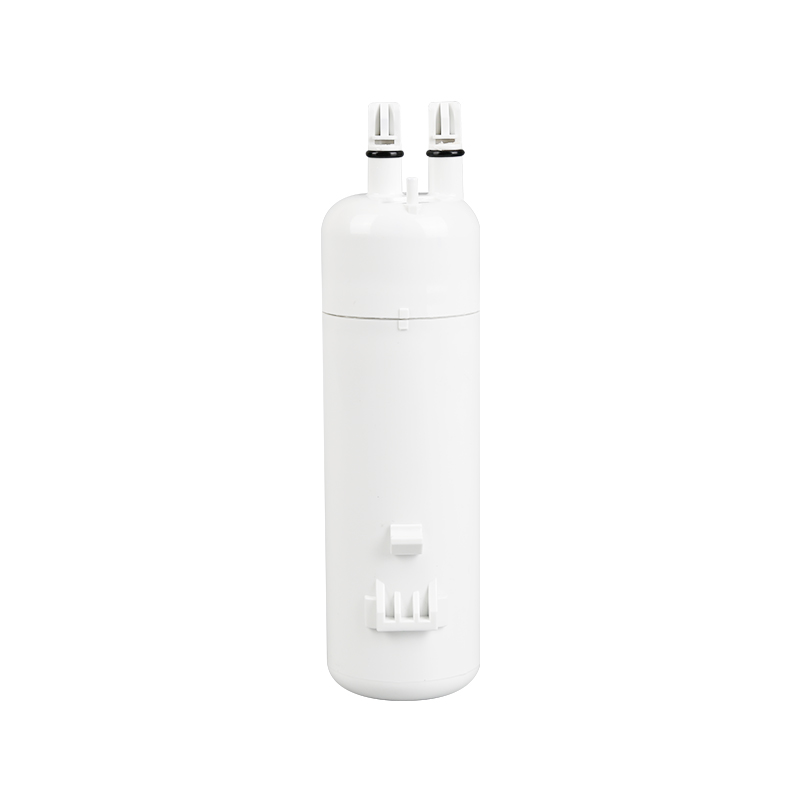
RF-27, as a water filter designed for high-end refrigerators, is compatible with refrigerator models such as WHIRLPOOL W10295370A and KENMORE 46-9930. With its excellent filtering performance and conv...
See Details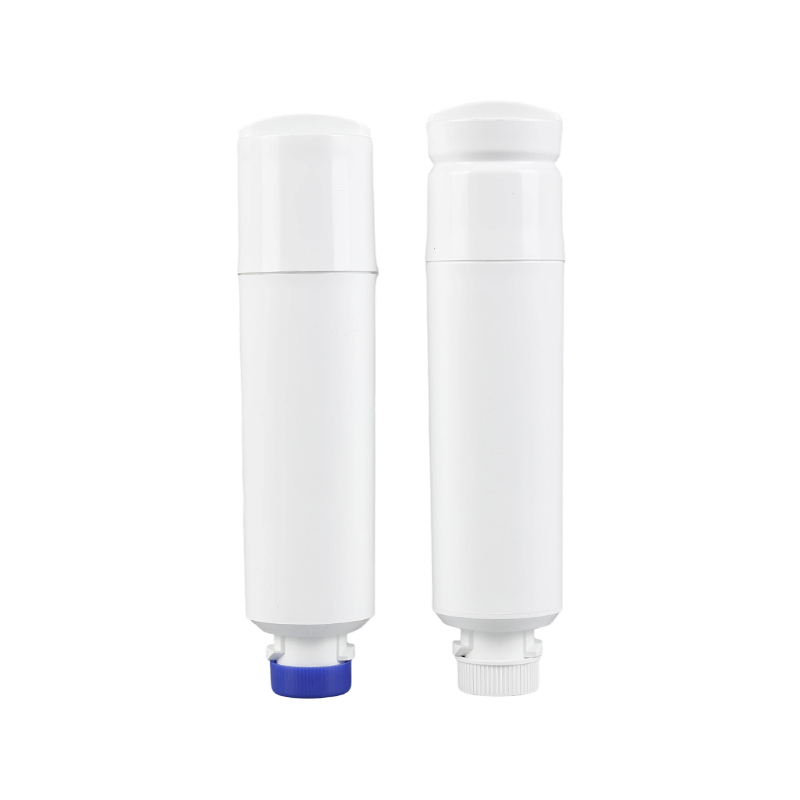
RF-03 refrigerator filter is specially designed to improve the quality of drinking water at home. It is perfectly compatible with Samsung DA29-00020B refrigerator and is an ideal choice for healthy li...
See Details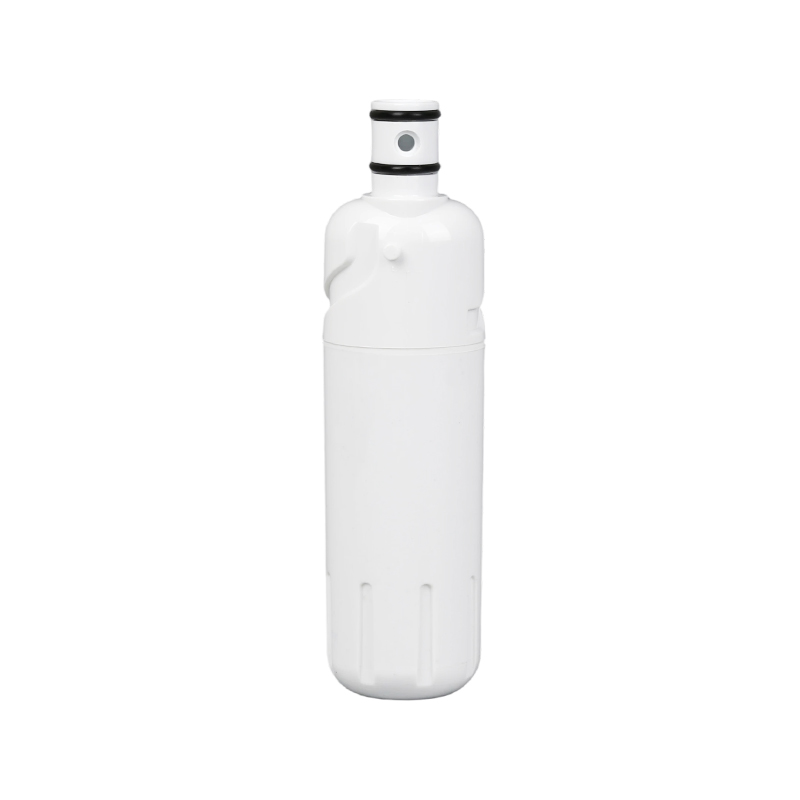
RF-28 refrigerator filter is specially designed for the pursuit of high-quality life. It is compatible with the FILTER2 series and models W10413645A and EDR2RXD1 of well-known brands such as WHIRLPOOL...
See Details
RF-86 refrigerator filter, as the guardian of your family's healthy drinking water, is designed to provide excellent water quality solutions for compatible LT1000P models. It uses advanced multi-layer...
See Details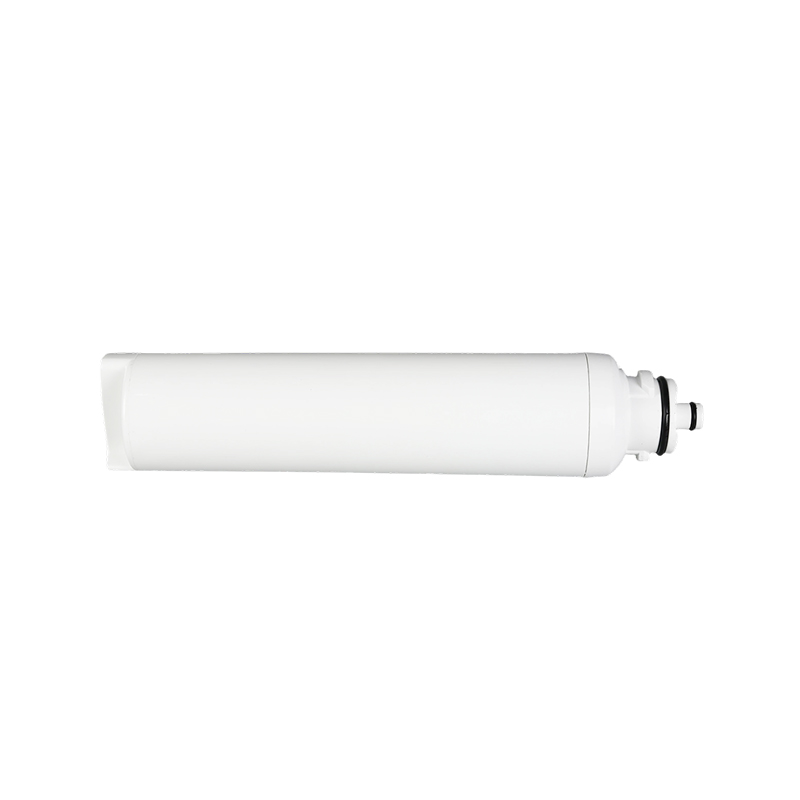
The RF-38 refrigerator filter is specially designed for LG series refrigerators, especially for the LG M7251253FR06 model. It is an ideal choice for your family's healthy drinking water life. Using ad...
See Details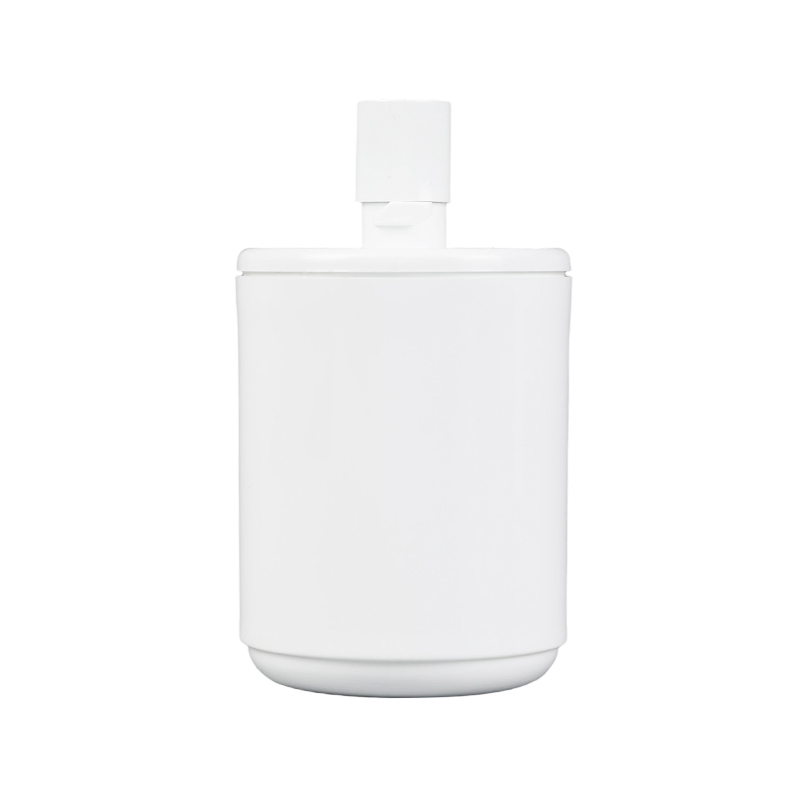
RF-08 refrigerator filter, as a smart choice for modern home health life, tailors a new experience of pure drinking water for LG LT500P series refrigerators. Different from the single filtering functi...
See Details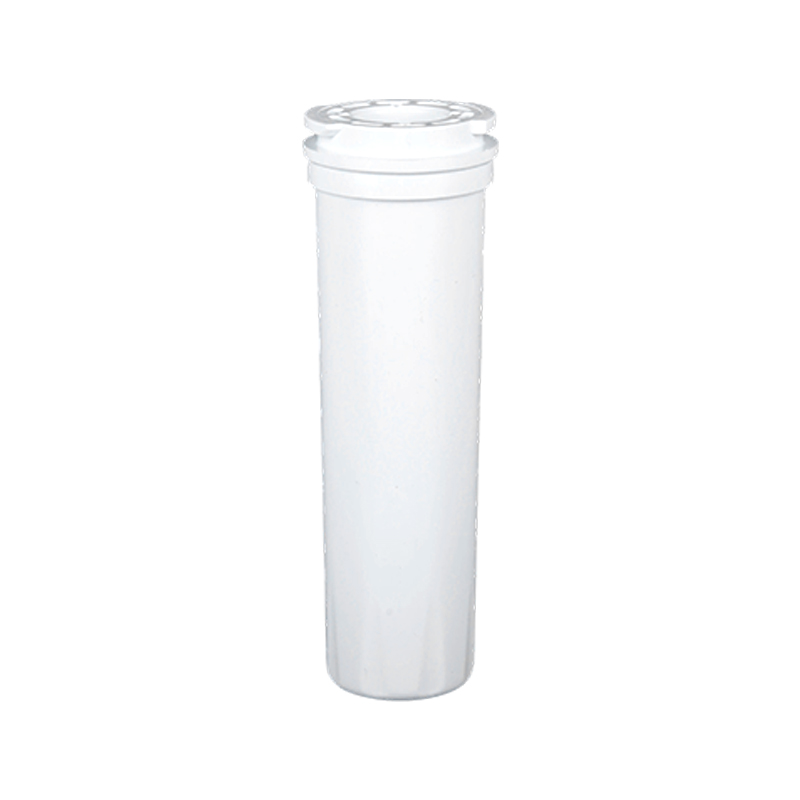
The RF-25 refrigerator-specific water filter is compatible with FISHER&PAYKEL 836848 refrigerators and is designed to bring a fresh and pure drinking water experience to your family. Using advance...
See Details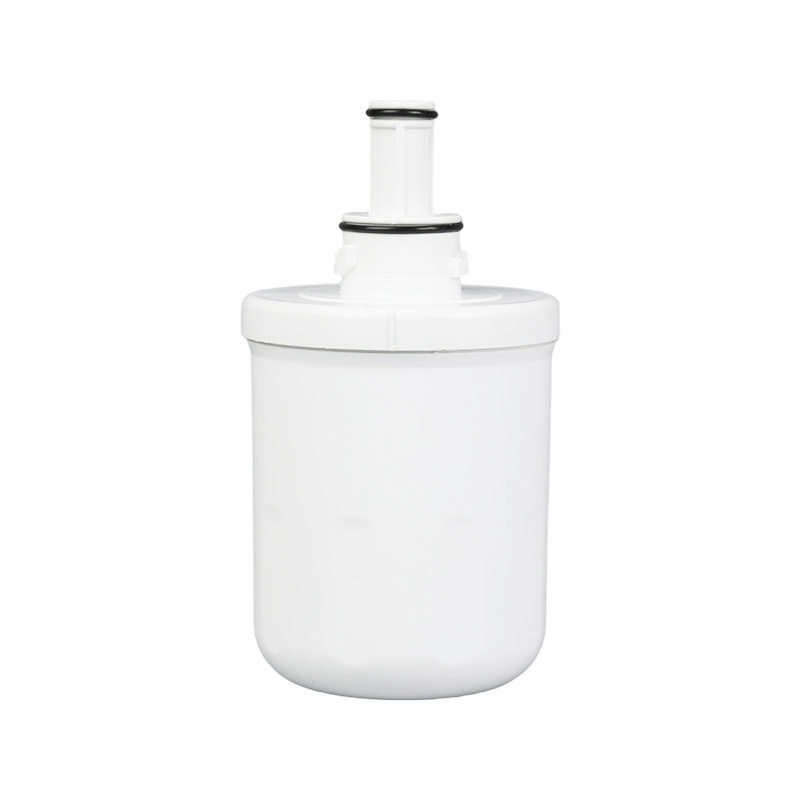
Samsung RF-01 refrigerator filter, model DA29-00003G, is a high-quality filter designed for Samsung refrigerators. This product uses advanced water filtration technology to effectively remove impuriti...
See Details
CONTACT us
*Your email is safe with us, we don't spam.

 The company's main products include
Contact Info
Phone: +86-13962755959 Tel: +86-513-87206118 E-mail: AK@chinnovel.com Add: 555 Yishou North Road, Chengbei Street, Nantong, Jiangsu

 Español
 عربى
 русский


