
Content
The six-month rule is a sensible starting line, but it says very little about why a cartridge wears out or how to judge your own kitchen. The blocks below go underneath the rule: how the media inside the housing really behaves, how to turn a gallon rating into a calendar date, how different water supplies change the picture, and what to look for when you compare one replacement against another.
Most refrigerator cartridges look like a plain plastic cylinder, yet the interior is a carefully engineered stack of materials. The heart of nearly every unit is a block of activated carbon. Carbon becomes "activated" when a raw material such as coconut shell, coal, or wood is heated under controlled conditions until it develops an enormous network of microscopic pores. A single gram of well-made activated carbon can hold several hundred square meters of internal surface area, and premium grades exceed a thousand. That hidden surface is what does the work.
Three separate mechanisms operate as water passes through the block, and each one runs out of capacity at its own pace.
Organic molecules that cause off flavors and odors are attracted to the pore walls and stick there. Each molecule that lands occupies a spot that is no longer available to the next one. This is a gradual, one-way filling process, which is why performance slides downward rather than switching off suddenly.
The carbon is pressed or extruded into a dense block so that particles such as rust flakes, sand, and scale are physically stopped at the outer layers. A typical micron rating describes the size of particle the block can hold back. As screened material accumulates, the pores between particles narrow and flow slows.
Chlorine is not simply trapped. On the carbon surface it reacts and converts into harmless chloride. Chloramine, a longer-lasting disinfectant used by many utilities, reacts more slowly, so cartridges aimed at chloramine supplies rely on specially treated carbon and a longer contact time.
Contact time is the quiet variable behind all three. Water that moves slowly through the block spends longer touching carbon and gives the pores more opportunity to capture what they can. Water pushed through fast, as happens when household pressure is high or when a person holds the dispenser lever open for a large pitcher, has less chance to react. That is one reason a cartridge can perform differently in two kitchens even when both have drawn exactly the same number of gallons.
Because adsorption sites fill progressively, the capacity of a cartridge does not fall off a cliff at a fixed day. The curve below is an illustrative model, not lab data from a specific product. It shows the pattern that most carbon blocks follow: a long, nearly flat stretch at the start, a gentle decline through the middle of the rated life, and a steeper drop once the rated volume is passed.
A cartridge label usually lists two limits at once: a volume and a time. Whichever limit arrives first is the one that counts. Households that drink little water hit the time limit, because even unused carbon sits wet inside a housing and slowly changes. Busy households hit the volume limit well before the calendar does.
The table below converts different daily draw rates into the number of days needed to reach 300 gallons, then compares that figure with the six-month ceiling.
| Daily water drawn from the door | Days to reach 300 gallons | When the swap is due |
|---|---|---|
| Half a gallon | 600 days | At six months, because the time limit comes first |
| One gallon | 300 days | At six months |
| One and a half gallons | 200 days | At six months |
| Two gallons | 150 days | Around five months |
| Three gallons | 100 days | Around three months |
| Four gallons | 75 days | Around two and a half months |
Most people overestimate how much they use. For one ordinary week, keep a tally every time you fill something from the door. Count glasses, bottles, and pots, and convert them with a few handy equivalents: sixteen eight-ounce glasses make a gallon, and a standard 32-ounce bottle is a quarter of one. Ice counts as well. Roughly eight pounds of ice melts into a gallon of water, so a bin that is emptied every few days adds up faster than it appears.
Multiply your weekly total by the number of weeks in half a year, and compare it with the rating printed on the cartridge. If the result lands comfortably below the rating, the calendar controls the schedule. If it lands above, plan the swap earlier and write the new date on the filter itself.
The same cartridge faces a different workload in every town. The profiles below describe four common situations. If your home matches more than one, treat the stricter advice as the one to follow.
Free chlorine is the easiest target for carbon, and a standard cartridge handles it well for most of its rated life. The usual signal that it is spent is a swimming-pool note returning to the water, especially in the first glass of the morning.
Schedule: follow the rated volume or six months.
Many large utilities switched from chlorine to chloramine because it persists longer in distribution pipes. Carbon removes it more slowly, so the same cartridge may seem to fade sooner. Look for packaging that mentions chloramine or catalytic carbon.
Schedule: lean toward the shorter end of the range.
Wells bring dissolved iron, manganese, sulfur compounds, and sometimes fine silt. These foul a block quickly and can stain the housing. A refrigerator cartridge is built to improve taste and odor, not to make questionable water safe, so test the supply and consider whole-house treatment ahead of the fridge.
Schedule: check flow monthly and expect three to four months.
After street work or in homes with aging galvanized lines, rust and scale can ride in on the water and coat the outside of the block. Flow slows long before the carbon is truly saturated. A pre-filter ahead of the refrigerator takes much of the load.
Schedule: swap when flow drops, even if taste is fine.
Hard water deserves its own note. A carbon cartridge is not a softener. Calcium and magnesium pass through, and scale can still collect in the ice maker tray and valve screens. If hardness is high, a separate scale-control stage is the right tool, while the refrigerator filter continues to handle taste and odor.
Packaging often carries a row of standards. They are not interchangeable, and a cartridge can be certified to one without being certified to another. The table translates the most common ones into everyday terms.
| Standard | What it addresses | Why it matters in your kitchen |
|---|---|---|
| NSF/ANSI 42 | Aesthetic effects such as chlorine taste and odor, plus fine particles | Determines how clean the water and ice taste |
| NSF/ANSI 53 | Health-related contaminants, for example lead, cysts, and certain volatile organics | Claims differ model by model, so read the performance data sheet |
| NSF/ANSI 401 | Incidental and emerging compounds such as certain pesticides and pharmaceutical residues | Covers trace compounds that standard taste tests never reveal |
| NSF/ANSI 372 | Lead-free content of wetted materials | Confirms the housing and parts do not add lead to the water path |
| Food-contact material compliance | Resins, seals, and adhesives that touch drinking water | Keeps the cartridge itself from becoming a source of contamination |
Look along the side or the top cap. Codes such as MWF, LT500P, 4396508, DA29-00003G, or UKF8001 are usually printed or embossed.
A sticker near the filter bay often lists the compatible part numbers and the date the refrigerator was manufactured.
The maintenance chapter lists the replacement code, the rated volume, and the correct way to reset the indicator.
The ice maker pulls from the same water line, so a tired cartridge shows up in cubes as well as in glasses. Ice is also a surprisingly effective sponge for odors. A freezer holding fish, onions, or opened leftovers will pass those smells into cubes that sit uncovered, which is why people sometimes blame the filter for a problem that began in the freezer.
New cartridges release loose carbon dust and trapped air. Throw away the first two or three bins of ice so the first cubes you serve are clear and clean.
Old cubes fuse together and pick up freezer smells. Emptying the bin and washing it with mild soap keeps a fresh filter from being blamed for stale ice.
Airtight containers keep onions, garlic, and seafood from perfuming the cubes. It is the cheapest ice-quality upgrade available.
When ice looks cloudy, smaller than normal, or hollow in the middle, the cause is often low water flow to the fill valve. A clogged cartridge is one of the first things to rule out, because swapping it costs far less than a service call.
Some situations override the calendar completely. If one of these applies, treat the existing cartridge as finished and install a new one.
You do not know when the previous owner last changed the cartridge or how long the refrigerator sat idle. Start with a fresh one and write the date on its side.
Water that stood inside a wet carbon block for several weeks is better replaced than rinsed. Run the lines for a few minutes, discard the ice, and install a new cartridge if you were away longer than a month.
Pipe work and nearby street repairs stir up sediment. A cartridge that catches it can clog in days, so check flow again shortly after the work finishes.
Follow your local utility's instructions first. Many appliance makers advise discarding ice made during the notice, flushing the lines, and replacing the cartridge once the notice is lifted.
Replacement parts that look similar can lock in very different ways. A mismatch in seal geometry is the most common reason for a slow drip behind the grille, so match the style as well as the code.
| Style | How it locks | What to watch for |
|---|---|---|
| Twist-lock | A quarter turn or more seats lugs into the housing | Stop when the arrows align, because overturning can crack the head |
| Push-in and eject | Pressing the cartridge in engages a spring latch | Listen for the click, and make sure the cartridge is fully inside before closing the door |
| Drawer or cap style | The cartridge slides into a swing-out tray that closes over it | Confirm the tray latches smoothly, since a half-closed tray leaks |
| External inline | Tubing connects to each end with quick-connect fittings | Check flow direction arrows and press tubing fully into the collars |
Every refrigerator has small differences, but the sequence below works for most designs. It focuses on the details people tend to skip.
Place a folded towel under the housing and keep the new cartridge in its sealed bag until the last moment. Peel away any protective caps only when you are ready to install, so the openings stay clean.
Turn or release it according to the style, and expect a few drops of water. Hold it upright as you pull it out so the remaining water stays inside rather than running down your arm.
Check that the rubber seals are in place and free of twists. Line up the markings, insert straight, and lock it fully. A cartridge that feels loose or sits crooked has not engaged.
Dispense water into a pitcher until it runs steady and clear, which many manuals place at around two to four gallons. Press the indicator reset, then write the install date on the cartridge with a marker.
If a few drops appear around the housing after the first hour, snug the cartridge and wipe the area dry. A persistent drip means the seal is not seated, and it is far better to remove and reinstall than to ignore it.
A cartridge that works in one kitchen and leaks in another is almost always a manufacturing problem, not a bad luck problem. Behind every consistent product is a sequence of controlled steps. The flow below describes how a carbon block cartridge moves from raw material to the shelf.
Raw carbon is screened for particle size, hardness, and ash content. These numbers set how dense the finished block can be and how it handles flow.
Carbon is combined with a food-grade binder and shaped by extrusion or molding into a block. Even density keeps water from channeling through weak spots.
The block is heated to set the binder, then cut to length and checked for diameter. Small dimensional errors here become fit problems later.
End caps, fine-mesh wraps, and sealing rings are fitted around the block. Welded or bonded joints must hold up against household water pressure.
Sampled units are checked for leakage under pressure, flow rate, lock engagement, and reduction performance against the stated claims.
Cartridges are sealed in clean bags, packed with the correct model code, and marked with a batch reference so any unit can be traced.
Cartridges are held under pressure higher than normal household supply to confirm that welds, seals, and caps do not weep.
A cartridge that is too restrictive makes the dispenser crawl, while one that is too open lets water race through carbon without enough contact.
Dimensions of the head, lugs, and sealing surfaces are measured against the original specification so the part drops in without force.
Material lots and production dates are recorded so any question about a specific cartridge can be traced to its source.
These steps explain why two cartridges with the same code on the box can feel completely different in your hands. Consistent molds, calibrated tools, and routine sampling are invisible when everything works, and very obvious when they are missing.
The cartridges below illustrate how capacity and style shape the replacement rhythm. Always confirm the exact code against your refrigerator before ordering.
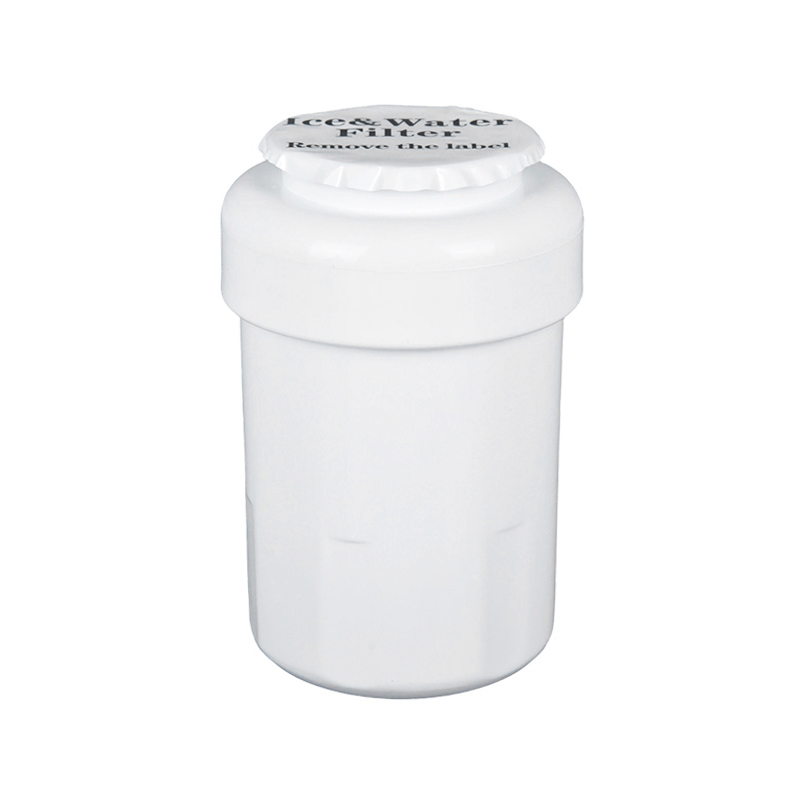
Built for the widely used MWF fitment, this cartridge goes in without tools and suits households that follow the familiar half-year routine. A dependable pick for taste and odor improvement in everyday use.

Designed around a larger rated volume, this LT500P-compatible cartridge gives busy kitchens more room before the volume limit arrives, while its layered media keeps the water tasting clean.
Looking at the shelf price alone hides the real picture. Dividing price by rated volume shows what each gallon costs, and the gap with bottled water is wide. The figures below use example prices to demonstrate the method, so substitute your own local numbers.
| Option | Example price | Volume covered | Approximate cost per gallon |
|---|---|---|---|
| Standard cartridge | $40 | 300 gallons | $0.13 |
| High-capacity cartridge | $60 | 500 gallons | $0.12 |
| Gallon jug of bottled water | $1.25 | 1 gallon | $1.25 |
| Case of 24 half-liter bottles | $5 | About 3.2 gallons | $1.58 |
The cartridge price also buys filtered ice, filtered cooking water, and fewer plastic bottles to carry home and recycle. A high-capacity cartridge only saves money when your household actually reaches the extra volume, so use the draw-rate method from earlier before choosing one.
Taste is only one signal. Particle screening and the capture of trace compounds can decline before any flavor change is noticeable, and a long-standing cartridge may also harbor microbial growth that you cannot taste.
Time matters alongside volume. A wet, warm carbon block that sits idle is a comfortable place for microorganisms, which is why the calendar limit exists even when the gallon count is low.
Some refrigerators supply a bypass plug for this purpose, and it works as a stopgap. Without carbon or screening, the dispenser delivers unfiltered tap water, and sediment can reach the valve and ice maker directly.
Most indicators count days, not gallons. A family of six and a retired couple will see the same light at the same time, even though they have moved vastly different volumes of water.
A spent cartridge adds almost no treatment while still restricting flow. The small saving on the part is easily wiped out if the strain shortens the life of the valve behind it.
Outer dimensions are only the beginning. Carbon grade, block density, seal material, and tested performance vary widely, and none of them are visible from the outside.
Yes. Replacing sooner is never harmful, and it is the right call whenever flow slows, taste changes, or the household draws more than the rated volume before the calendar date arrives.
Many modern designs shut off flow automatically as the cartridge is removed. If your manual calls for closing the supply valve, follow it, and keep a towel handy for the few drops that escape.
Tiny air bubbles trapped in the new cartridge give water a milky look that clears from the bottom of the glass upward within a minute. Flushing the line for a few gallons normally ends the effect.
It is best not to. A cartridge that is not fully locked can leak behind the grille, and the water can reach the floor before it is noticed. Stop, remove the cartridge, and reseat it correctly.
Rinsing the outside does nothing for the carbon inside. The adsorption sites are internal and cannot be restored at home, so a used cartridge should be recycled or discarded according to local guidance.
Keep them sealed in their original bags in a cool, dry cupboard, away from cleaning products and strong odors. Carbon will adsorb vapors from the air, so a sealed bag protects its capacity before it ever touches water.
If the old one was clogged, flow improves right away. If the problem persists, check for a kinked supply line, a partly closed valve, or scale on the inlet screen, since the cartridge may not be the cause.
Some manufacturers and retailers run take-back programs, and plastic housings may be accepted by local recycling centers. Check the rules in your area, because the carbon block itself is often handled as general waste.
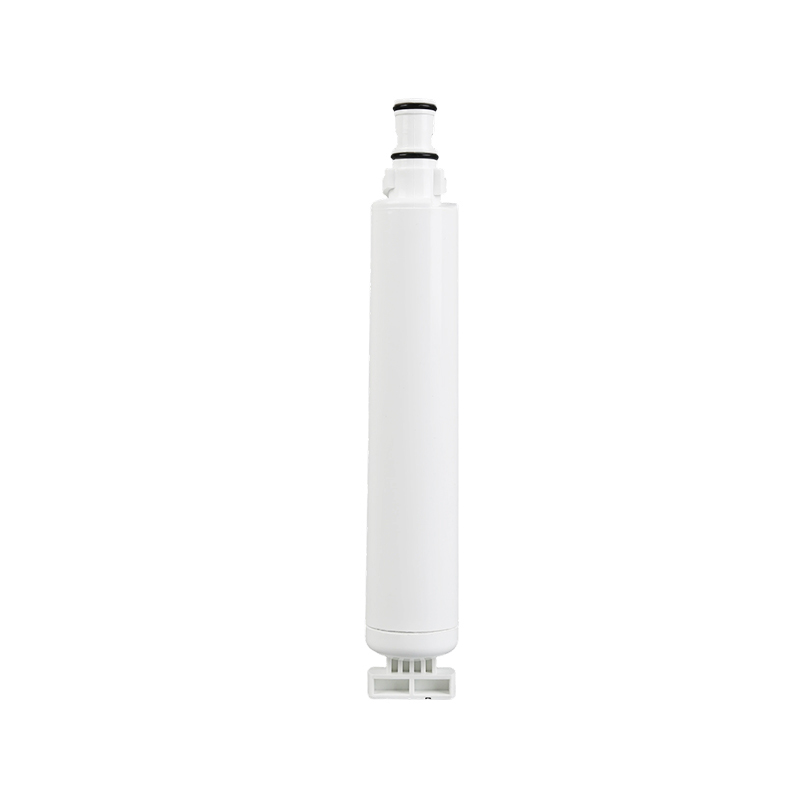
The RF-24 refrigerator filter is designed for the WHIRLPOOL series refrigerators and is an efficient and easy-to-replace water quality improvement solution. It uses advanced multi-stage filtration tec...
See Details
RF-16 refrigerator-specific water filter, compatible with WF2CB model, is designed for modern families to protect the health of your drinking water. Using advanced multi-stage filtration technology, R...
See Details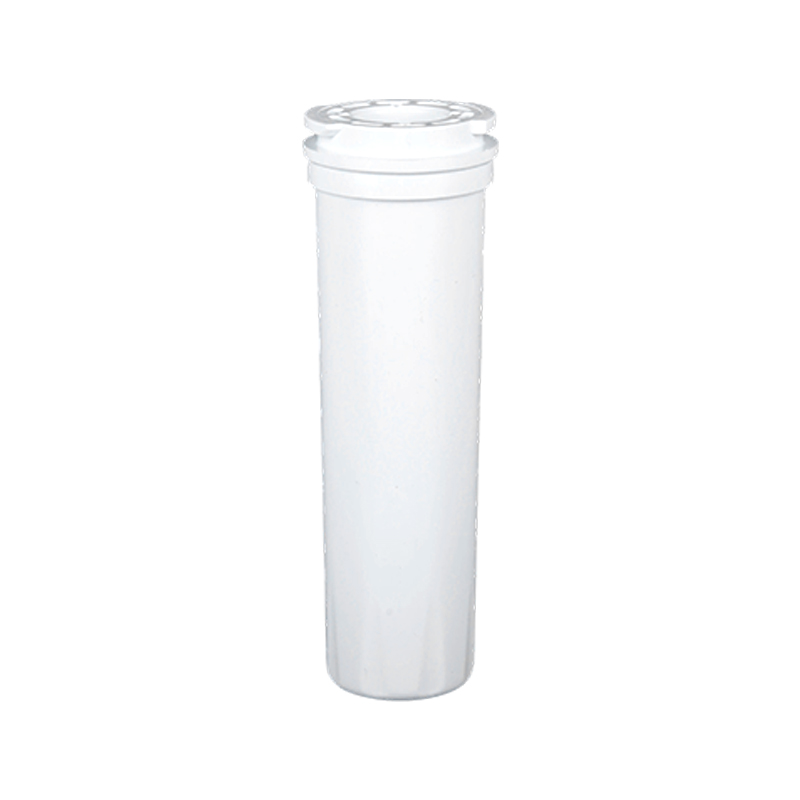
The RF-25 refrigerator-specific water filter is compatible with FISHER&PAYKEL 836848 refrigerators and is designed to bring a fresh and pure drinking water experience to your family. Using advance...
See Details
The RF-10 refrigerator-specific water filter is compatible with the LG LT600P model design and is designed to bring a fresh and pure drinking water experience to your family. Using advanced multi-stag...
See Details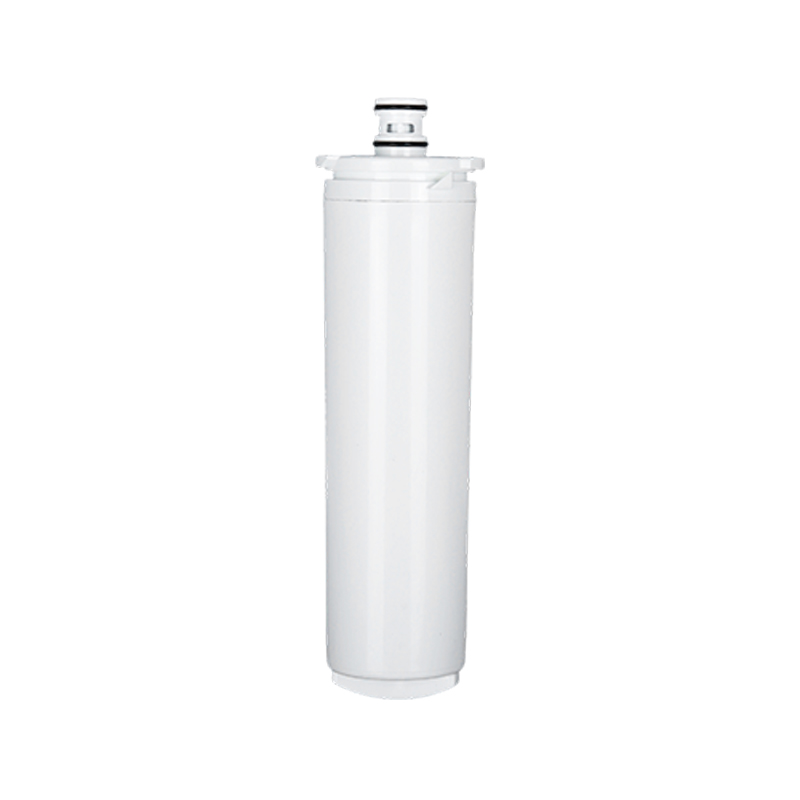
RF-61 refrigerator filter, as the guardian of healthy drinking water for the family, is specially designed for you who pursue high-quality life. It is compatible with SGF-B052 model refrigerator, ensu...
See Details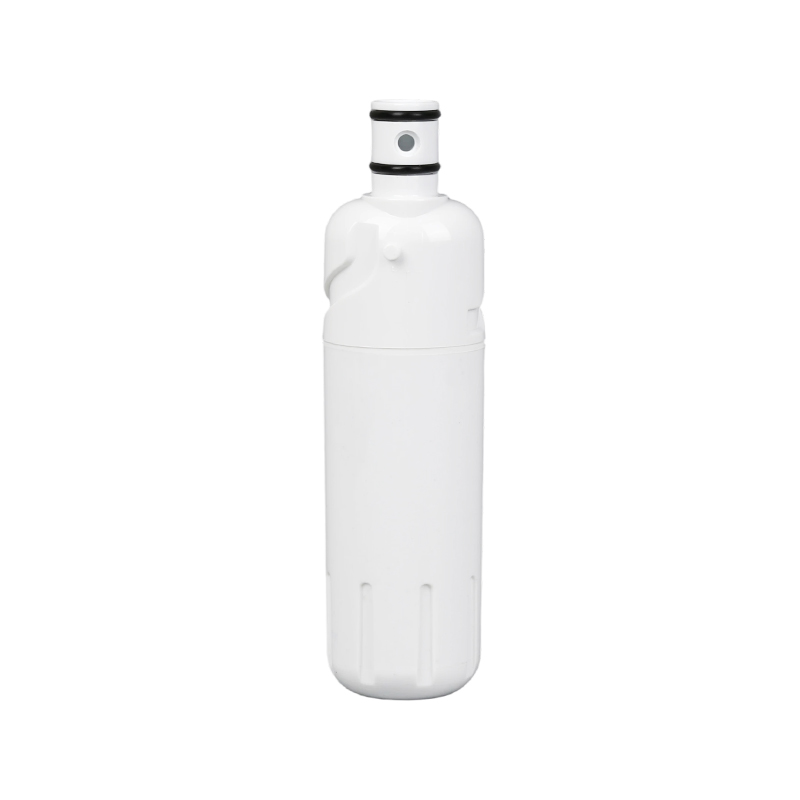
RF-28 refrigerator filter is specially designed for the pursuit of high-quality life. It is compatible with the FILTER2 series and models W10413645A and EDR2RXD1 of well-known brands such as WHIRLPOOL...
See Details
RF-81 refrigerator-specific water filter is specially designed for you who pursue high-quality life. It is compatible with Kenmore 46-9130 and many mainstream refrigerator models. It is easy to instal...
See Details
RF-86 refrigerator filter, as the guardian of your family's healthy drinking water, is designed to provide excellent water quality solutions for compatible LT1000P models. It uses advanced multi-layer...
See Details
CONTACT us
*Your email is safe with us, we don't spam.

 The company's main products include
Contact Info
Phone: +86-13962755959 Tel: +86-513-87206118 E-mail: AK@chinnovel.com Add: 555 Yishou North Road, Chengbei Street, Nantong, Jiangsu

 Español
 عربى
 русский


