
Content
Few kitchen accessories spark as much debate as the countertop water pitcher. If you've been asking "Is a Brita pitcher filter worth it?", you probably already know the basics: fill it, wait a few minutes, and pour cleaner-tasting water. But the honest answer depends on your water, your habits, and your expectations.
With more than two decades in water filtration manufacturing, we've seen pitchers, cartridges, faucet attachments, refrigerators, and whole-house systems up close. Let's walk through the real-world details without the marketing gloss.
Brita pitchers rely on activated carbon and a small amount of ion-exchange resin. That combination is effective for reducing chlorine taste and odor, and it can also help lower certain metals like lead, copper, and cadmium, depending on the filter version. The result is tap water that feels and tastes noticeably cleaner to most people.
If your only real complaint is that your municipal water tastes like a swimming pool or has a flat chemical note, a pitcher can solve that quickly and cheaply. The water also ends up colder if you keep the pitcher in the refrigerator, which makes it more refreshing than room-temperature tap water.
Most Brita-style filters are designed with taste and odor reduction in mind. That is useful, but it is not the same as purifying every contaminant out of your water supply.
This is where expectations matter. A carbon pitcher is not a purifier. It will not remove dissolved minerals that cause hardness, high total dissolved solids, fluoride, nitrates, bacteria, viruses, or most heavy metals at high levels. If your water has a known safety concern, pouring it through a pitcher is not the same as treating it with an appropriate filtration system.
Before you invest, it is always worth checking your local water quality report. If the issue is taste, odor, or occasional chlorine, a pitcher can help. If you are hoping a pitcher will solve a more serious contamination problem, you likely need a stronger solution.
Understanding what a filter can and can't do is the first step. If you are still weighing under-sink, whole-house, and pitcher systems, our practical guide to choosing water purification equipment walks through the trade-offs. It helps you match the right level of filtration to the actual water quality issue you face.
The upfront cost feels low. A typical starter pitcher with a couple of filters costs somewhere between $25 and $45. The recurring cost is what catches many people off guard. Standard pitcher filters are usually rated for about 40 gallons or two months, whichever comes first. Depending on the model and your replacement schedule, that can mean spending $60 to $120 a year on replacement cartridges.
That is still much cheaper than regularly buying bottled water, and it saves you the hassle of carrying bottles home. But the annual expense deserves a closer look before you commit.
 RF-102 Brita Premium Pitcher Filter CartridgeThis replacement filter offers deep purification and a longer service life, making pitcher ownership more affordable while maintaining quality and reducing replacement frequency.View Product →
Compatible replacement filters from independent manufacturers have improved a lot over the years. In our own factory, we have spent a long time matching the performance of name-brand cartridges, and the result is that pitcher ownership can be more affordable than people expect. Just make sure you choose filters from a source that tests its products carefully.
To decide whether this type of pitcher is worth it, it helps to see how it compares with the common alternatives.
| Option | Upfront cost | Filter replacement | Best for |
|---|---|---|---|
| Pitcher filter | $25-$45 | $15-$30 every 1-2 months | Renters, small kitchens, budget-friendly taste improvement |
| Refrigerator filter | $30-$60 per filter | $30-$60 every 6 months | Homes with a fridge dispenser or ice maker |
| Faucet filter | $30-$50 | $20-$40 every 2-3 months | Easy filtered water from the tap without counter clutter |
| Under-sink system | $50-$200 | $20-$60 every 6-12 months | Serious filtration, larger volumes, hidden installation |
If you already have a refrigerator with a water dispenser, using its built-in filter may be more convenient, but replacement cartridges are often more expensive. A pitcher can be a good backup for drinking water when the fridge filter is not available.
Pitchers shine in certain situations. Choose one if any of these sound familiar:
For this kind of everyday use, a classic pitcher format is practical, simple to clean, and easy to replace when needed.
 RF-85 Brita Classic Pitcher Filter ReplacementA practical plug-and-play cartridge for standard pitchers, ideal for small households, combining easy maintenance with proven filtration for everyday clean drinking water.View Product →
It is also a friendly option for small households. One or two people can easily keep up with the refill rhythm, and the filter does not have to work as hard as it would in a busy family kitchen.
A pitcher is not the best investment for every home. Consider a stronger filtration approach if:
In these cases, under-sink systems or whole-house filtration often make better long-term sense. If you are just beginning your research, our overview of home water purification benefits can help you understand what a more complete setup can and cannot do.
If you decide that a pitcher fits your lifestyle, the single most important habit is replacing the filter on schedule. Old filters lose effectiveness, and a neglected cartridge can become a place where bacteria develop.
Long-life filter options can also reduce the hassle. Brita-style Longlast cartridges are designed to last longer than standard ones, which means fewer replacements and less plastic waste over time. For many households, that simple change makes pitcher ownership even more attractive.
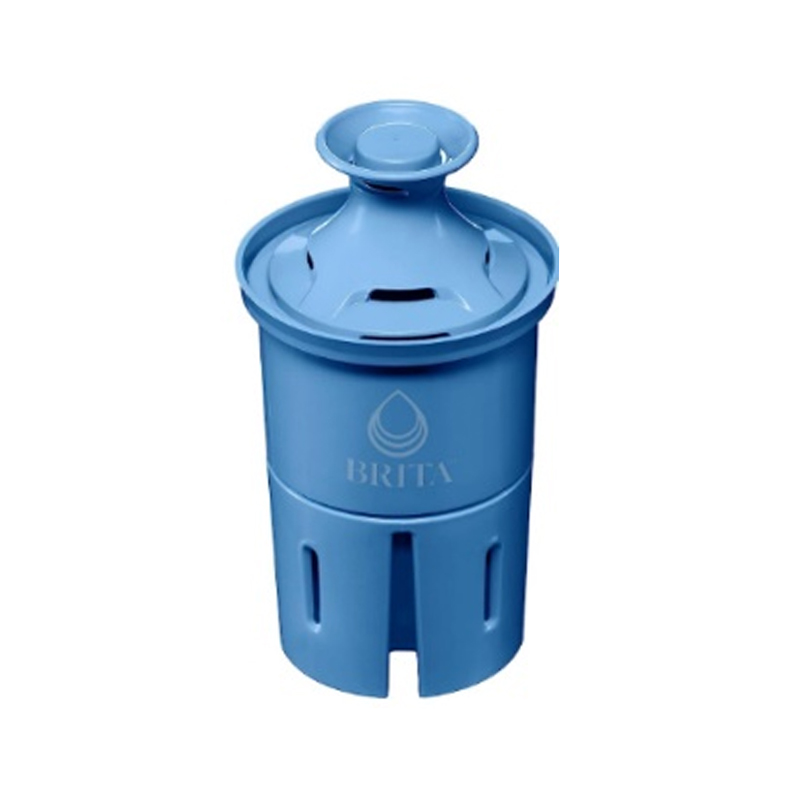 RF-110 Brita Long-Lasting Pitcher FilterAn ultra-long-life filter that cuts replacement frequency and plastic waste, a smart upgrade for households seeking low-cost, eco-friendly better-tasting water.View Product →
For most households, the answer is yes—if the goal is better-tasting water without a big investment. A pitcher is simple, convenient, and effective for chlorine, taste, and odor. It also fits naturally into a rental kitchen or a small countertop setup.
For households relying on a pitcher to remove serious contaminants, the answer is no. That job needs a system designed around a specific water quality problem, not a general-purpose carbon cartridge.
Our advice, after years in this industry, is to treat the pitcher as a practical first filter for daily drinking water rather than a complete purifier. Pair it with the right solution when your water demands more, and you will get real value for a modest price.
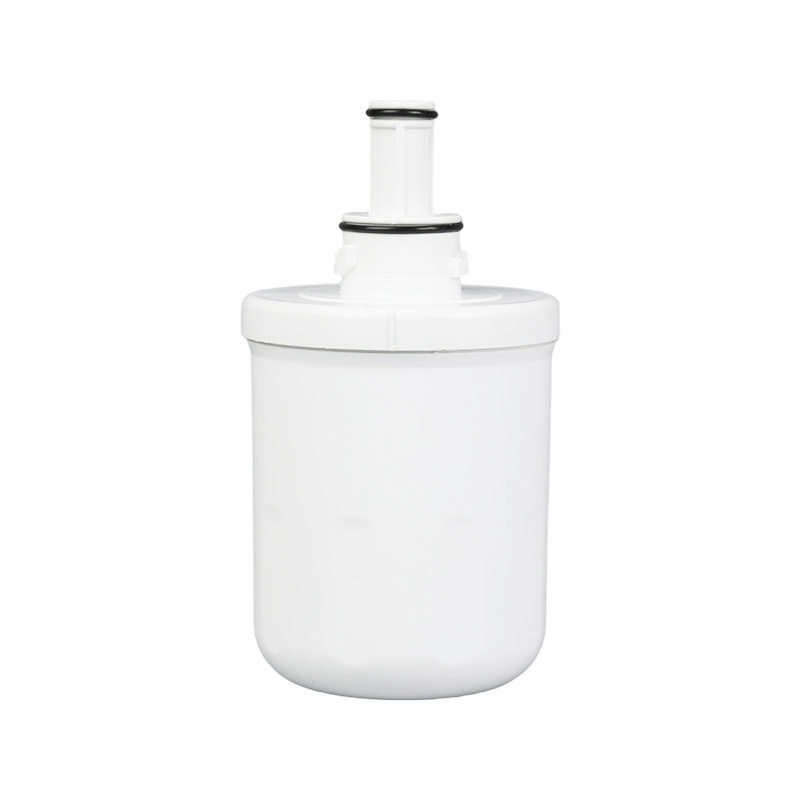
Samsung RF-01 refrigerator filter, model DA29-00003G, is a high-quality filter designed for Samsung refrigerators. This product uses advanced water filtration technology to effectively remove impuriti...
See Details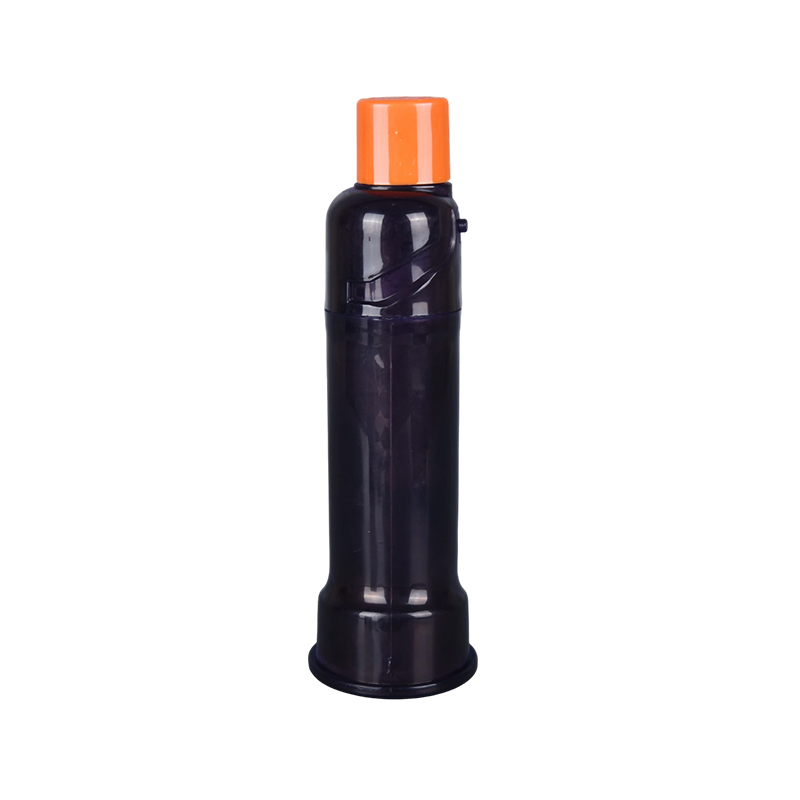
Compatible with ICE MAKER WATER FILTER F2WC9I1, RF-45 uses advanced multi-stage filtration technology to effectively remove impurities, residual chlorine, heavy metal ions and tiny particles in the wa...
See Details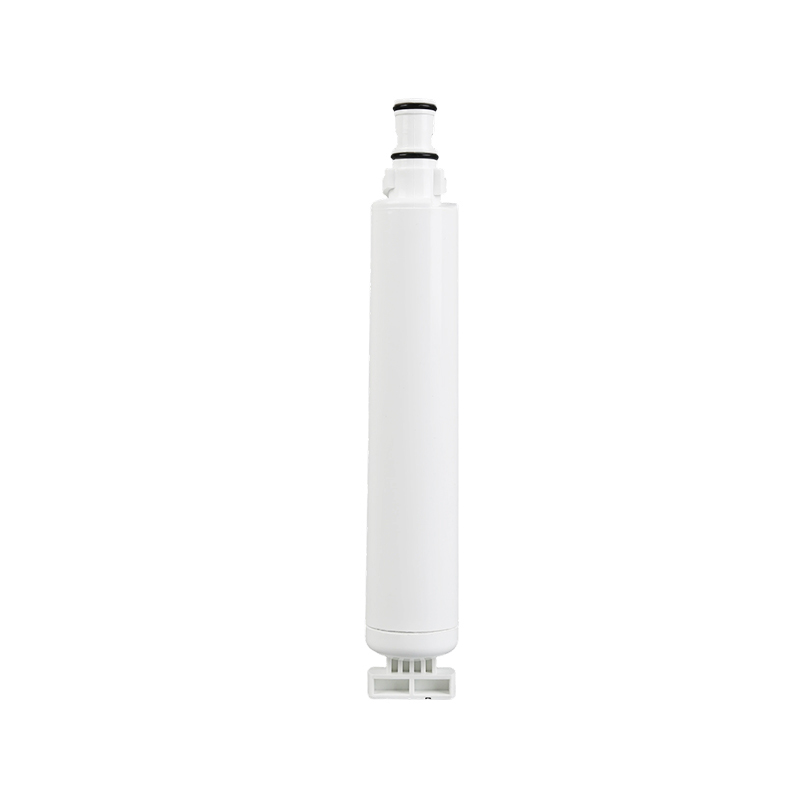
The RF-24 refrigerator filter is designed for the WHIRLPOOL series refrigerators and is an efficient and easy-to-replace water quality improvement solution. It uses advanced multi-stage filtration tec...
See Details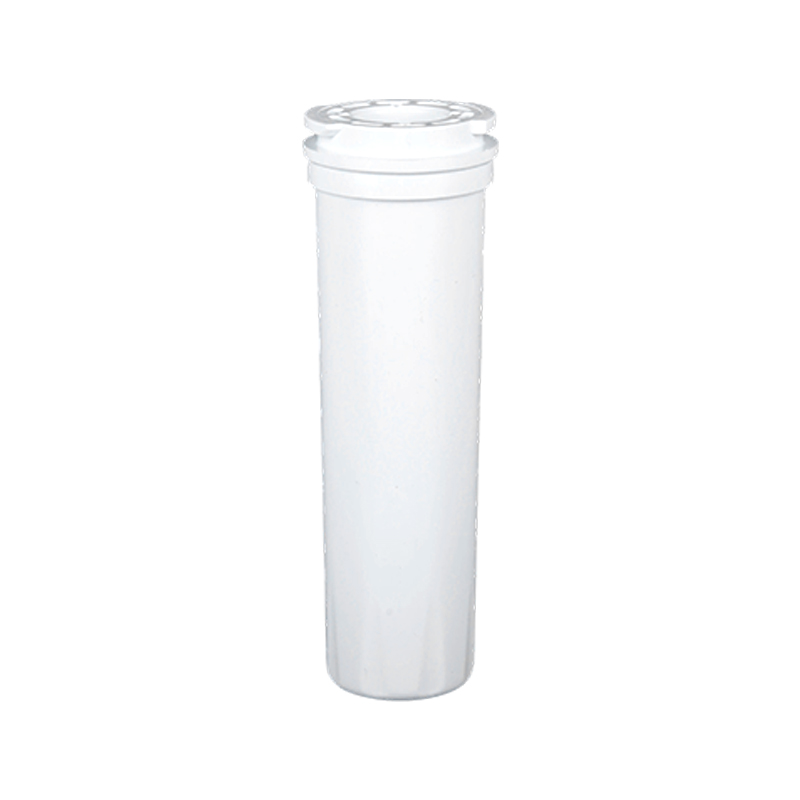
The RF-25 refrigerator-specific water filter is compatible with FISHER&PAYKEL 836848 refrigerators and is designed to bring a fresh and pure drinking water experience to your family. Using advance...
See Details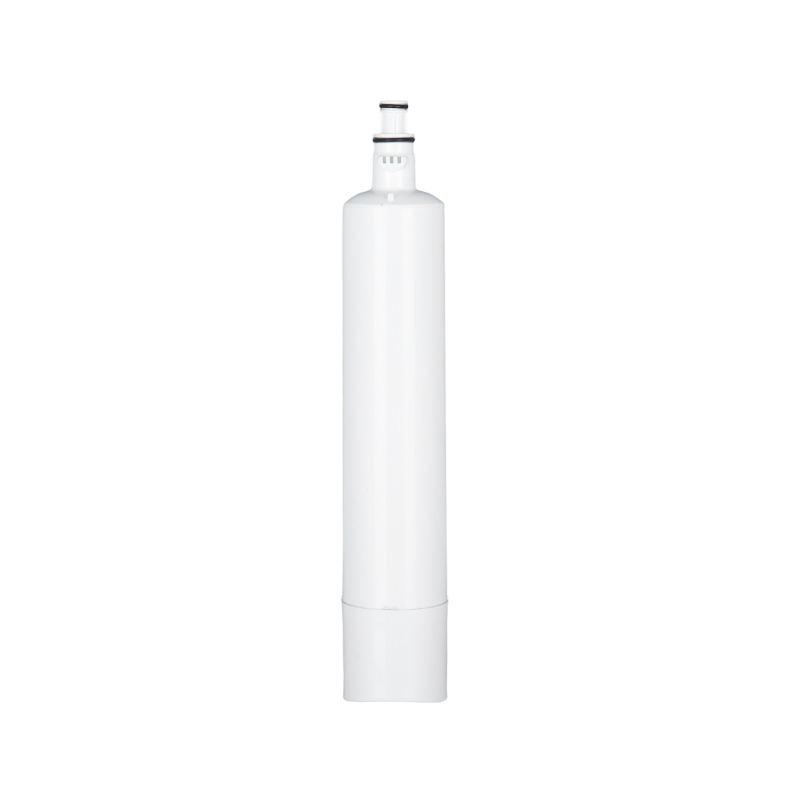
RF-26 refrigerator filter, compatible with GE RPWF series refrigerators, can be easily replaced without tools, and is easy and quick to install. It uses advanced multi-stage filtration technology to e...
See Details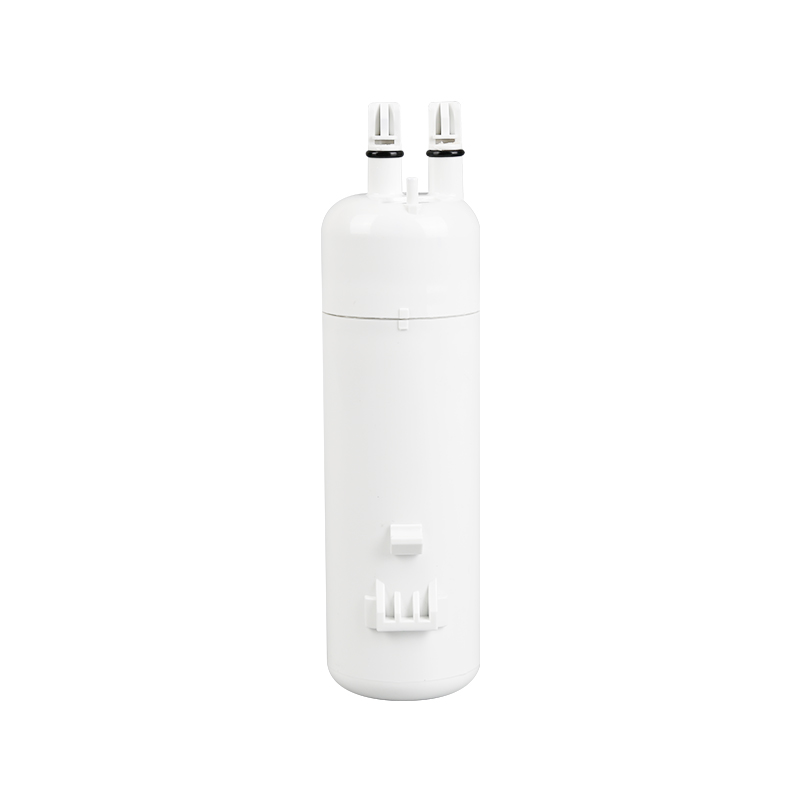
RF-27, as a water filter designed for high-end refrigerators, is compatible with refrigerator models such as WHIRLPOOL W10295370A and KENMORE 46-9930. With its excellent filtering performance and conv...
See Details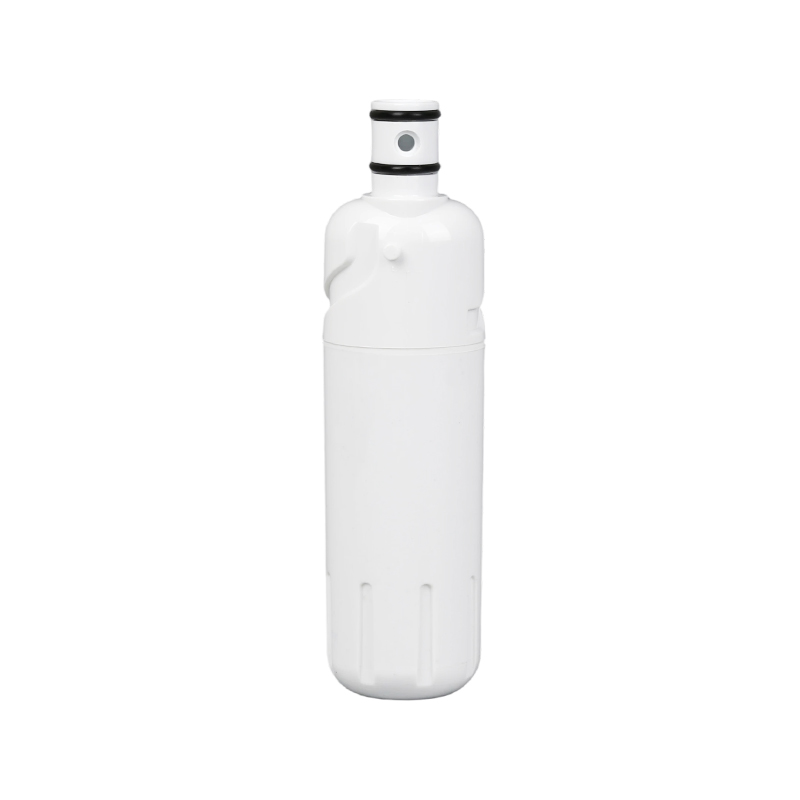
RF-28 refrigerator filter is specially designed for the pursuit of high-quality life. It is compatible with the FILTER2 series and models W10413645A and EDR2RXD1 of well-known brands such as WHIRLPOOL...
See Details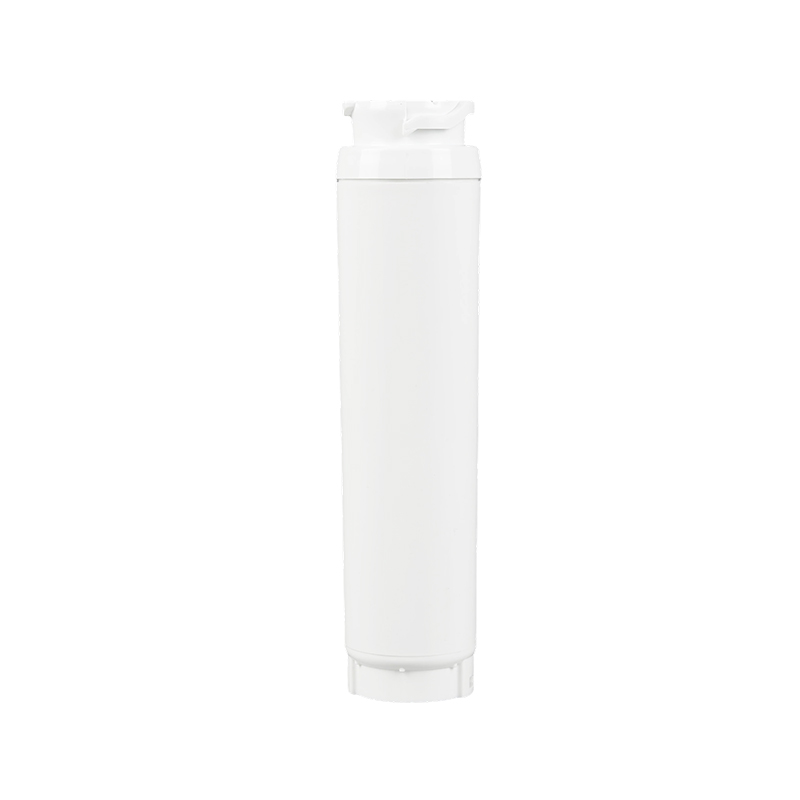
RF-29 refrigerator filter is specially designed for the pursuit of high-quality life and drinking water safety. Compatible with BOSCH 9000194412 model, it uses advanced filtering technology to effecti...
See Details
CONTACT us
*Your email is safe with us, we don't spam.

 The company's main products include
Contact Info
Phone: +86-13962755959 Tel: +86-513-87206118 E-mail: AK@chinnovel.com Add: 555 Yishou North Road, Chengbei Street, Nantong, Jiangsu

 Español
 عربى
 русский


