+86-13962755959

Air Filter Wholesale

Home / Product / Air filter & Faucet filter
Company
Jiangsu Angkua Environmental  Protection Technology Co., Ltd.
Jiangsu Angkua Environmental Protection Technology Co., Ltd.
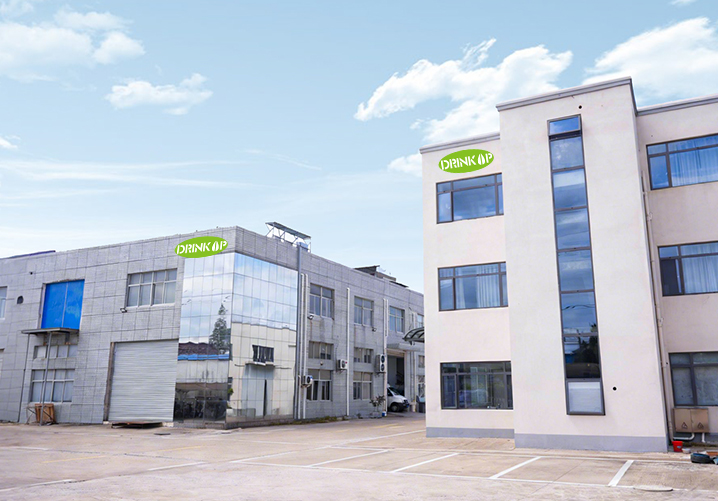
Jiangsu Angkua Environmental Technology Co., Ltd. is China Faucet Water Filter Manufacturers and Wholesale Air Filter Factory, specializing in the research, development, and production of high-quality water filters, wave purification components, household water purifiers and accessories, as well as PPR pipes and related accessories. Our products, renowned for their high performance and reliability, have successfully entered global markets, including Europe and the United States, and have earned widespread recognition in numerous provinces, cities, and regions both domestically and internationally.
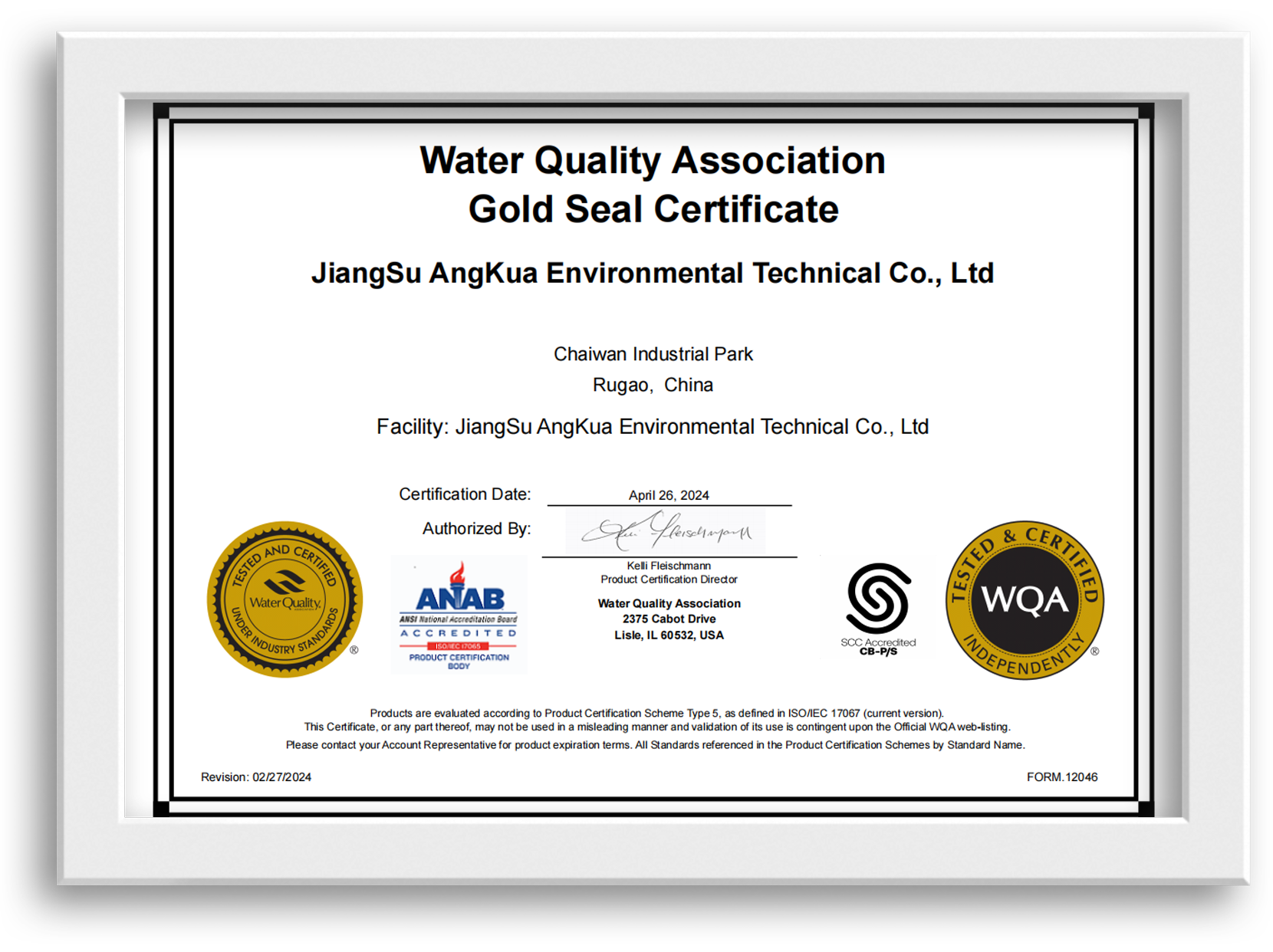
The company is committed to technological innovation and quality control, ensuring that every product meets or exceeds customer expectations. Our water purification equipment is not only rigorously certified to international standards such as NSF/FDA, DIN8077, and DIN8078, but also complies with domestic standards such as ISO15874 and GB/T18742, demonstrating our unwavering commitment to product quality.
Jiangsu Angkua Environmental Technology Co., Ltd., with its professional technical team, advanced production equipment, and comprehensive after-sales service, provides customers with comprehensive water treatment solutions. We believe that through continuous hard work and innovation, we can make greater contributions to the conservation and utilization of global water resources and establish long-term, stable partnerships with our customers.
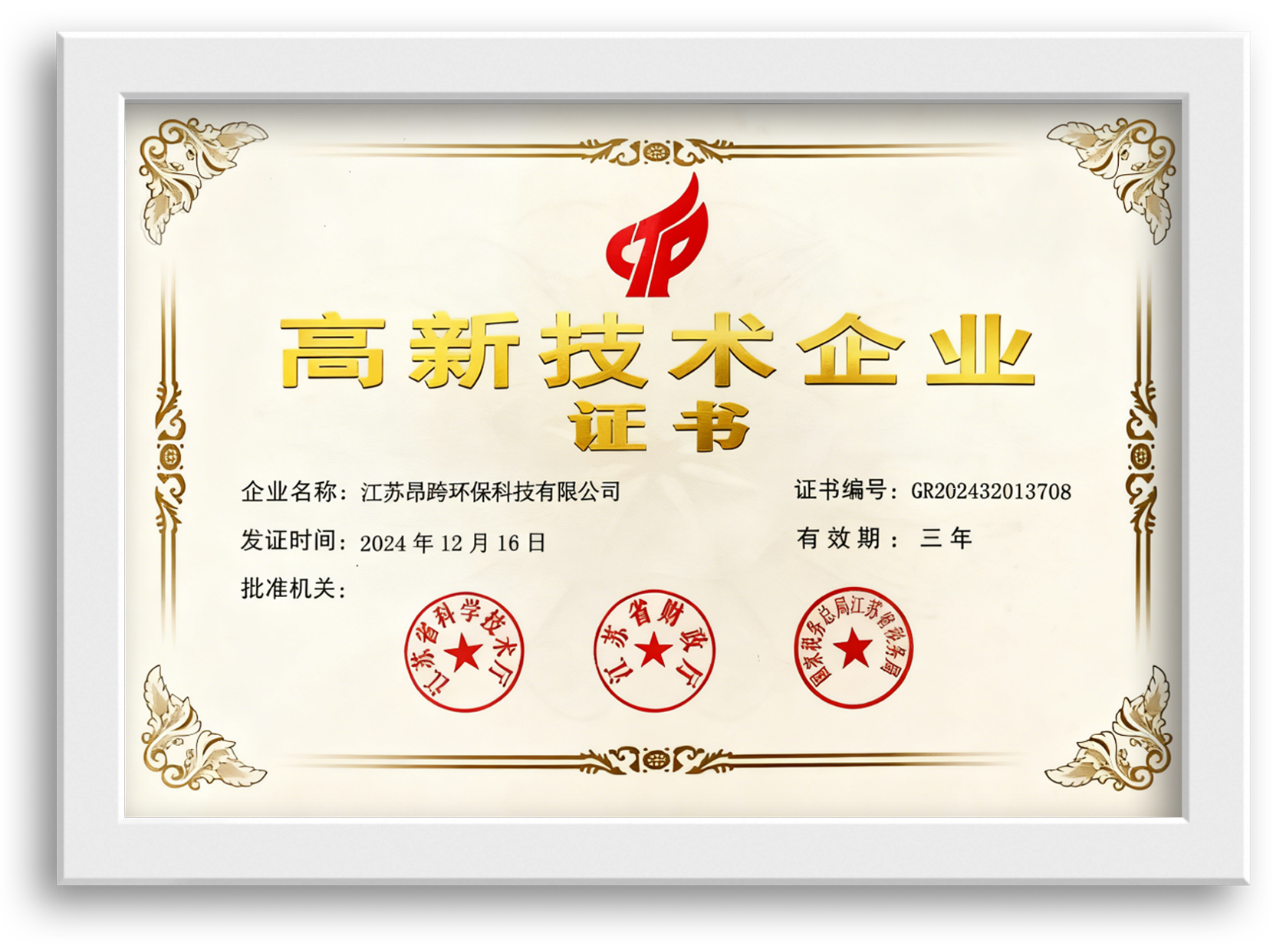
Certificate Of Honor
  • h1
  • h1-副本

Air filter & Faucet filter Industry knowledge

Understanding the Global Market Demand for Faucet Water Filters

The global landscape of residential and commercial water purification is undergoing a structural shift. End-users are moving away from cumbersome under-sink installations and single-use bottled water, favoring direct-source purification methods. At the forefront of this evolution is the modern faucet water filter, a device that bridges the gap between high-performance water treatment and everyday kitchen convenience. For global importers, brand owners, and distributors looking to capture market share, understanding the economic and structural drivers behind this demand is essential for successful inventory planning and product positioning.

The Consumer Shift Toward Point-of-Use Purification

Modern households and light commercial spaces face growing concerns regarding municipal water quality, aging municipal pipe infrastructure, and aesthetic issues like chlorine taste and odor. Traditional whole-house systems often involve high capital expenditure and complex plumbing modifications, while bottled water creates ongoing financial and environmental burdens.

The faucet water filter resolves these friction points by offering immediate, point-of-use purification right at the tap. Market data indicates that consumers increasingly prioritize devices that require no professional installation tools, fit standard kitchen fixtures effortlessly, and deliver immediate visual confirmation of filtration performance. Meeting this demand requires partnering with a specialized manufacturer capable of producing reliable filtration hardware at scale. This is where industry leaders step in; for instance, Jiangsu Angkua Environmental Technology Co., Ltd. leverages advanced production equipment and dedicated R&D to engineer high-performance water purification solutions that align precisely with these shifting global preferences.

Market Dynamics and Commercial Viability

Sourcing a high-quality faucet water filter involves balancing several competing market pressures: retail affordability, compact form factors, and certified contaminant reduction capabilities. Wholesalers and regional distributors must stock units that appeal to mass-market segments while maintaining rigorous structural durability.

Market Parameter Consumer Expectation Manufacturing Benchmark
Price Point High perceived value, affordable retail pricing Optimized BOM (Bill of Materials) and scalable injection molding
Installation Tool-free setup within 3 to 5 minutes Universal adapter design compatible with 95% of standard spouts
Aesthetics Modern, sleek finish (chrome, matte, or stainless look) Electroplated ABS or food-grade metal housing options
Lifespan Long cartridge duration (200 to 300 gallons) High-density activated carbon block and multi-stage filtration media

When scaling distribution, working with a seasoned manufacturing partner ensures that these parameters are met consistently across every production batch. Jiangsu Angkua Environmental Technology Co., Ltd. implements comprehensive internal quality control protocols and rigorous compliance measures—adhering to international benchmarks such as NSF, FDA, and DIN standards—to guarantee that every faucet water filter delivered to global markets meets strict safety and reliability requirements. By focusing on continuous technological innovation and robust after-sales support, the company enables long-term, stable partnerships designed to help clients thrive in competitive regional markets.


Key Technical Specifications Every Buyer Should Look For

Sourcing a reliable faucet water filter for global distribution requires a deep dive into the engineering and material science behind the device. End-users may judge a unit by its exterior finish, but long-term brand reputation relies entirely on core technical specifications. Navigating these technical details ensures that imported hardware meets regional water safety regulations and delivers consistent, dependable performance in everyday kitchens.

Filtration Media Breakdown and Performance Tiers

The heart of any faucet water filter is its filtration media. Different materials target specific contaminants, and understanding their operational mechanics helps importers select the right configuration for their target market's water profile.

Filtration Media Primary Contaminants Targeted Typical Lifespan / Capacity Flow Rate Impact
Activated Carbon Block (CB) Chlorine, bad tastes, odors, VOCs, and sediment 200 to 300 gallons Minimal restriction (smooth, steady output)
KDF (Copper-Zinc Formulation) Heavy metals (lead, mercury), chlorine, and inhibits bacterial growth 300 to 500 gallons Excellent thermal and chemical stability
Ultrafiltration (UF) Membrane Suspended solids, colloids, bacteria, and microplastics (0.01 micron) 6 to 12 months Moderate restriction requiring optimized housing design

To deliver exceptional purification performance, manufacturers must carefully balance these media types. Jiangsu Angkua Environmental Technology Co., Ltd. specializes in researching and developing advanced water purification components and household water purifiers that optimize these exact media combinations, ensuring superior contaminant reduction without sacrificing water pressure.

Compliance Standards and Material Safety

Regulatory compliance is non-negotiable when bringing a faucet water filter into international markets like Europe and North America. Procurement teams must verify that the manufacturing partner adheres to strict global benchmarks. Water contact materials must be non-toxic and structurally sound under continuous municipal water pressure.

Contaminant Reduction Validation: Alignment with NSF/ANSI standards (such as Standard 42 for aesthetic chlorine reduction and Standard 53 for health-related heavy metal reduction) provides immediate assurance to end-users.

Material Certification: Utilizing food-grade ABS plastics, lead-free brass, and certified sealing components prevents secondary water contamination.

Manufacturing Quality Assurance: Jiangsu Angkua Environmental Technology Co., Ltd. ensures that its production lines meet rigorous international benchmarks, holding certifications such as NSF, FDA, DIN8077, DIN8078, and ISO15874. This strict adherence to quality control guarantees that every faucet water filter leaving the facility maintains structural integrity and chemical safety under diverse operating environments.

Flow Rate, Pressure Tolerance, and Housing Durability

A practical faucet water filter must integrate seamlessly into daily kitchen routines. If the flow rate drops too low, users become frustrated; if the housing cannot handle spikes in household water pressure, leaks or structural failures occur.

Engineers design optimal systems to maintain a consistent flow rate of 1.5 to 2.0 gallons per minute (GPM) at standard municipal pressure (typically 40 to 60 PSI). Furthermore, the external housing must withstand repeated mechanical stress from switching levers and thermal fluctuations from hot water usage. By utilizing advanced production equipment and precision injection molding, manufacturers can deliver robust, long-lasting hardware that minimizes return rates and builds enduring trust in the marketplace.


Crucial Engineering Designs That Appeal to End Consumers

Beyond raw filtration performance and laboratory certifications, the commercial success of a faucet water filter largely depends on daily usability. End-users evaluate these devices based on how effortlessly they integrate into their kitchen habits, how simple maintenance is, and whether the hardware looks premium on the sink. For importers and brand managers, selecting products equipped with thoughtful structural designs is key to reducing return rates and driving repeat orders.

Universal Compatibility and Adapter Engineering

One of the most common friction points in tap filtration is installation complexity. Kitchen faucet designs vary wildly across regions, featuring internal threads, external threads, or pull-out spray heads. A poorly designed mounting mechanism results in customer frustration and water leakage.

To overcome this, leading manufacturing engineering teams focus on universal compatibility. By developing comprehensive multi-thread adapter kits and quick-twist mounting architectures, a well-engineered faucet water filter can secure tightly onto 95% of standard kitchen faucets without requiring specialized plumbing tools.

Adapter Type Faucet Thread Compatibility Installation Method
Internal Thread Adapter Faucets with inner threading Direct hand-tightened screw-on with rubber gasket seal
External Thread Adapter Faucets with outer threading Threaded collar attachment using included wrench tool
Universal Rubber Gasket Unthreaded or unconventional spouts Adjustable metal clamp lock with high-compression seal

Dual-Flow Switching Technology

Consumable lifespan is a major consideration for everyday users. Running unfiltered water—such as water used for heavy dishwashing, scrubbing pots, or watering plants—through a purification cartridge drastically shortens its active life.

To solve this, advanced units incorporate an intuitive dual-flow switching mechanism. This lever or button allows users to switch back and forth instantly between filtered water (for drinking and food preparation) and raw tap water (for general cleaning tasks). Implementing this feature requires precise internal valve engineering to prevent cross-contamination between chambers while maintaining structural durability under high-frequency switching. Jiangsu Angkua Environmental Technology Co., Ltd. applies its extensive technical expertise in water purification components to design robust diverter valves, ensuring smooth transitions and extended cartridge longevity for every faucet water filter produced.

Visual Lifespan Indicators and Maintenance UX

Knowing when to replace a filter core has historically been a guessing game for consumers, often leading to either premature replacement or overuse past the media's active capacity. Modern market preferences lean heavily toward transparency and ease of maintenance.

Mechanical Dials: Simple, manual month-tracker rings built into the housing cap, allowing users to point the indicator to the month of installation.

Transparent Housing Windows: A clear viewing window that lets users visually inspect sediment accumulation and carbon discoloration over time.

Electronic LED Alerts: Smart flow-meter sensors that shift from green to yellow to red based on total volume usage or time elapsed.

By integrating these user-centric engineering details, Jiangsu Angkua Environmental Technology Co., Ltd. helps brand partners deliver products that not only meet rigorous technical standards but also offer an exceptional everyday experience for the end consumer.


Manufacturing Excellence: What Makes a Reliable OEM/ODM Factory Partner

Securing a dependable supply chain for a faucet water filter requires looking beyond catalog specifications and examining the actual production capabilities behind the product. For brand owners, regional distributors, and importers, partnering with an experienced manufacturing facility determines whether product launches run smoothly or suffer from chronic quality bottlenecks, delayed shipments, and high defect rates. Evaluating a factory's technical foundation ensures consistent mass-production output and protects brand reputation in competitive global markets.

In-House R&D and Mold Customization Capabilities

A true manufacturing partner must possess robust research and development capabilities rather than merely assembling generic off-the-shelf components. Rapid prototyping, precise mold design, and custom housing configurations allow brands to differentiate themselves in crowded retail markets.

R&D & Production Stage Key Operational Focus Advantage for Brand Partners
Mold Design & Tooling In-house CAD/CAM engineering and CNC machining Faster turnaround for custom housing shapes and proprietary designs
Prototyping & Testing 3D printing and structural stress simulation Immediate validation of ergonomics, fit, and flow mechanics
Private-Label Integration Custom laser etching, Pantone color matching, and tailored packaging Seamless brand alignment for retail and regional distribution

Jiangsu Angkua Environmental Technology Co., Ltd. leverages a professional technical team and advanced manufacturing infrastructure to drive continuous innovation in water purification equipment. By managing everything from initial concept design to final mold execution, the company provides comprehensive water treatment solutions that accommodate unique private-label requirements for any faucet water filter project.

Strict Quality Control Protocols and Testing Standards

Maintaining uniform quality across thousands of units requires rigorous quality control (QC) inspection points embedded throughout the entire production lifecycle. A single weak seal or substandard plastic batch can lead to devastating field failures and costly product recalls.

Incoming Raw Material Inspection: Verifying that incoming plastics, food-grade silicone seals, and filtration media meet strict chemical composition and purity standards.

Hydrostatic Pressure Testing: Subjecting housing assemblies to elevated water pressure well above standard residential operating parameters to verify burst resistance.

100% Leak Testing: Automated or line-side pneumatic testing on every finished faucet water filter to guarantee zero leakage before final assembly and boxing.

Certifications and Global Compliance

Navigating international trade and customs clearance demands verifiable documentary compliance. Products shipped to diverse regulatory environments must possess recognized certifications proving safety, material hygiene, and structural durability.

Jiangsu Angkua Environmental Technology Co., Ltd. ensures that its production facilities and product lines meet or exceed major international and domestic benchmarks. Equipment is rigorously certified to global standards such as NSF/FDA, DIN8077, and DIN8078, alongside domestic compliances like ISO15874 and GB/T18742. This strict dedication to quality assurance guarantees that every faucet water filter complies with local statutory requirements, empowering partners to expand their market reach across Europe, North America, and beyond with complete confidence.


Cost Optimization, Minimum Order Quantities (MOQs), and Logistics

Scaling a successful product line for a faucet water filter requires a delicate balance between upfront capital investment, manufacturing efficiency, and dependable international logistics. For brand managers, wholesalers, and regional distributors, navigating cost structures effectively determines profit margins and market competitiveness. Achieving sustainable growth relies on partnering with a manufacturer that offers flexible production scales without compromising structural integrity or material safety.

Balancing Unit Cost and Quality

When calculating the Bill of Materials (BOM) for a water filtration device, cutting corners on internal components or housing polymers often results in high field failure rates and costly warranty claims. True cost optimization comes from engineering efficiency and automated assembly rather than using substandard raw materials.

Cost Factor Low-Quality Approach Optimized Manufacturing Approach
Housing Material Recycled ABS plastics prone to cracking and discoloration Virgin food-grade ABS or high-grade electroplated finishes
Sealing Components Standard rubber gaskets that degrade under temperature shifts High-compression, anti-aging silicone seals
Assembly Process Manual, inconsistent gluing and threading Automated pressure-sealing and precision-molded threading

By streamlining production lines and utilizing advanced manufacturing infrastructure, Jiangsu Angkua Environmental Technology Co., Ltd. helps partners achieve an optimal balance between competitive FOB pricing and uncompromised product reliability for every faucet water filter produced.

Flexible Order Quantities and Production Scaling

Different distribution models demand varying levels of inventory flexibility. Launching a brand-new custom design requires pilot batches to test market reception, whereas established retail networks require steady, high-volume container shipments to prevent stockouts.

Pilot and Trial Orders: Lower minimum order quantities (MOQs) allow emerging brands to test proprietary colorways or custom packaging without heavy upfront capital lockup.

High-Volume Container Runs: Automated production scaling ensures that full-container loads (FCL) maintain identical quality control standards from the first unit to the last.

Comprehensive Support: Through a dedicated professional technical team and comprehensive after-sales service, Jiangsu Angkua Environmental Technology Co., Ltd. works closely with partners to structure flexible supply agreements and long-term, stable manufacturing partnerships.

Packaging, Palletization, and Drop-Test Standards

Even the most advanced faucet water filter can fail commercially if it arrives at a regional warehouse or retail shelf damaged due to poor packaging. International shipping exposes master cartons to moisture, rough handling, and stacking pressure during ocean and land transit.

To mitigate transit risks, reliable manufacturing partners implement rigorous drop-test standards and secure palletization protocols. Using reinforced corrugated master cartons, custom inner blister or foam trays, and moisture-barrier bags ensures that products remain pristine throughout global transport. This attention to logistical detail safeguards the supply chain, ensuring that every shipment meets the high standards expected by modern consumers worldwide.


Frequently Asked Questions and Technical Insights

Navigating the procurement, distribution, and commercial deployment of a faucet water filter naturally brings up specific technical and operational questions. Addressing these inquiries directly helps clarify product capabilities, maintenance expectations, and partnership frameworks for brands and regional distributors expanding their catalog offerings.

What is the standard lifespan of a replacement cartridge in a commercial-grade faucet water filter?

Cartridge longevity depends heavily on the filtration media composition and local municipal water quality. However, standard industry performance metrics provide clear guidelines for end-user replacement cycles.

Cartridge Type Average Capacity Recommended Replacement Timeframe
Standard Carbon Block (CB) 200 to 300 gallons 3 to 4 months
Multi-Stage Composite (Carbon + KDF) 300 to 500 gallons 4 to 6 months
Ultrafiltration (UF) Membrane 500 to 800 gallons 6 to 12 months

How do manufacturing partners handle customized branding and color matching for bulk orders?

Different regional markets require unique visual identities to appeal to local consumer preferences. Establishing a distinct brand presence often involves customized housing colors, private-label box packaging, and laser-etched logos.

Manufacturing facilities with in-house design and tooling teams streamline this customization process. Jiangsu Angkua Environmental Technology Co., Ltd. utilizes advanced production equipment and a professional technical team to support precise Pantone color matching, custom logo placement, and tailored retail packaging. This comprehensive approach ensures that every faucet water filter aligns seamlessly with a partner's brand identity while maintaining strict compliance with international standards such as NSF, FDA, and DIN requirements.

What are the primary differences between standard carbon filtration and multi-stage composite filters?

Understanding filtration tiers helps procurement teams select the right product specification for target regions with varying water profiles.

Standard Carbon Filtration: Relies primarily on activated carbon to absorb chlorine, organic compounds, and unpleasant tastes or odors. It is ideal for municipal water supplies with good baseline safety but poor aesthetic qualities.

Multi-Stage Composite Filtration: Combines activated carbon with specialized media like KDF or ultrafiltration membranes to simultaneously capture heavy metals (such as lead and mercury), inhibit bacterial growth, and filter out microplastics. This setup provides comprehensive purification for areas with aging pipe infrastructure.

What is the typical lead time for mass production and sample delivery for custom orders?

Timelines can vary based on tooling requirements and order volume, but established production workflows ensure predictable scheduling for global supply chains.

Order Phase Typical Industry Timeline Operational Focus
Sample Prototyping 7 to 14 days 3D printing, custom mold testing, and initial design validation
Custom Tooling & Molding 20 to 30 days CNC machining and injection mold creation for private-label designs
Mass Production (FCL) 25 to 35 days Automated assembly, hydrostatic pressure testing, and final packaging

Through responsive communication and comprehensive after-sales support, Jiangsu Angkua Environmental Technology Co., Ltd. works closely with global partners to establish efficient production schedules, contributing to the conservation and utilization of global water resources through reliable, high-performance water treatment solutions.