+86-13962755959

Spa Filter Cartridge Wholesale

Home / Product / Pool Spa Filter
Company
Jiangsu Angkua Environmental  Protection Technology Co., Ltd.
Jiangsu Angkua Environmental Protection Technology Co., Ltd.
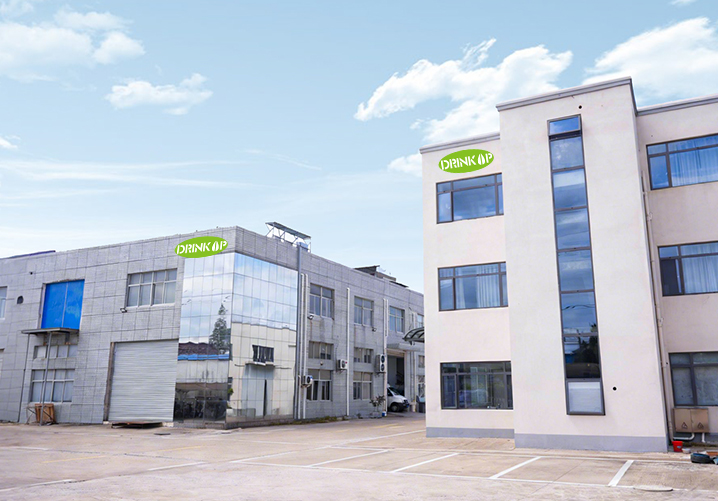
Jiangsu Angkua Environmental Technology Co., Ltd. is China Swimming Pool Filter Manufacturers and Wholesale Spa Filter Cartridge Factory, specializing in the research, development, and production of high-quality water filters, wave purification components, household water purifiers and accessories, as well as PPR pipes and related accessories. Our products, renowned for their high performance and reliability, have successfully entered global markets, including Europe and the United States, and have earned widespread recognition in numerous provinces, cities, and regions both domestically and internationally.
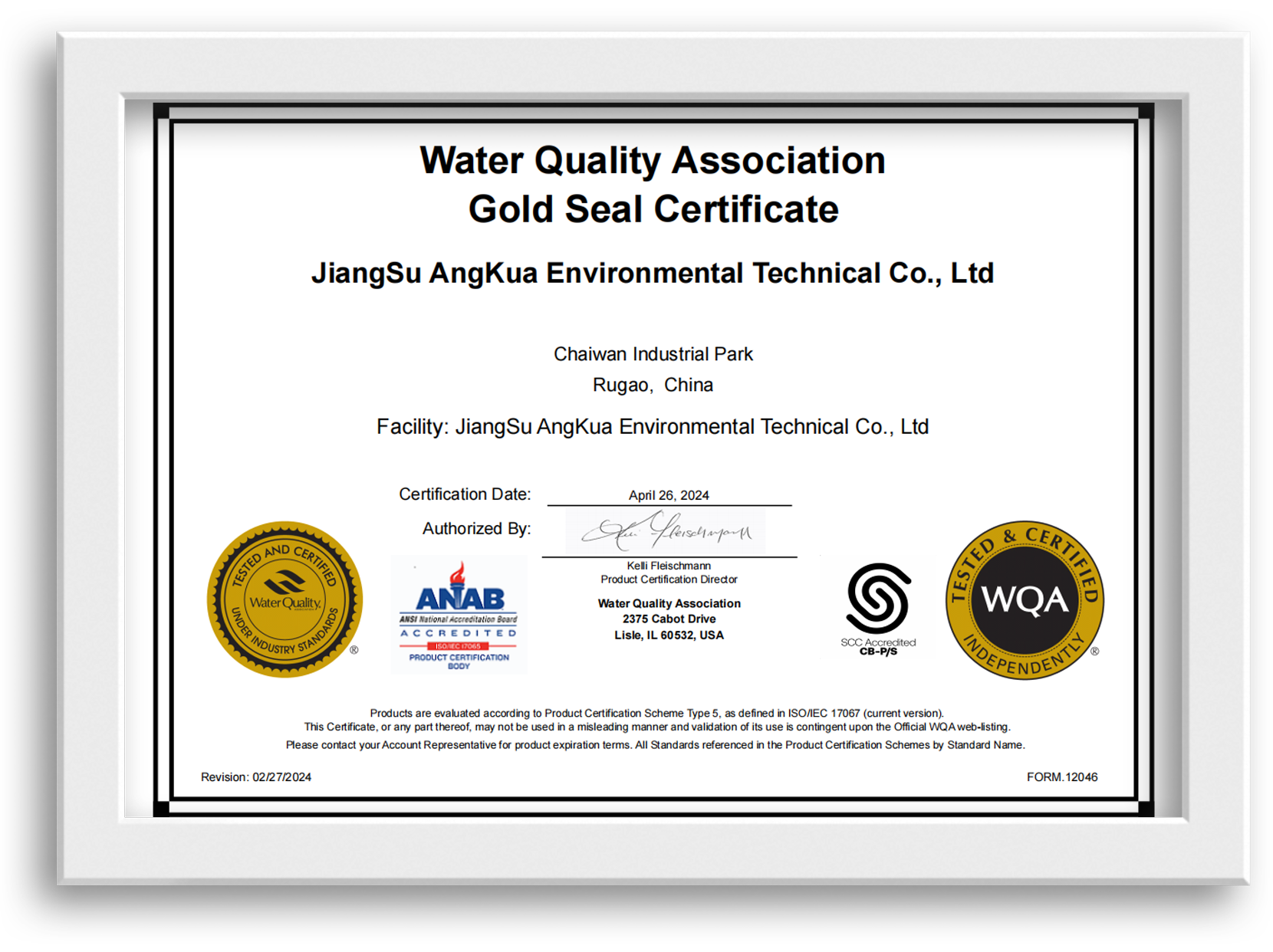
The company is committed to technological innovation and quality control, ensuring that every product meets or exceeds customer expectations. Our water purification equipment is not only rigorously certified to international standards such as NSF/FDA, DIN8077, and DIN8078, but also complies with domestic standards such as ISO15874 and GB/T18742, demonstrating our unwavering commitment to product quality.
Jiangsu Angkua Environmental Technology Co., Ltd., with its professional technical team, advanced production equipment, and comprehensive after-sales service, provides customers with comprehensive water treatment solutions. We believe that through continuous hard work and innovation, we can make greater contributions to the conservation and utilization of global water resources and establish long-term, stable partnerships with our customers.
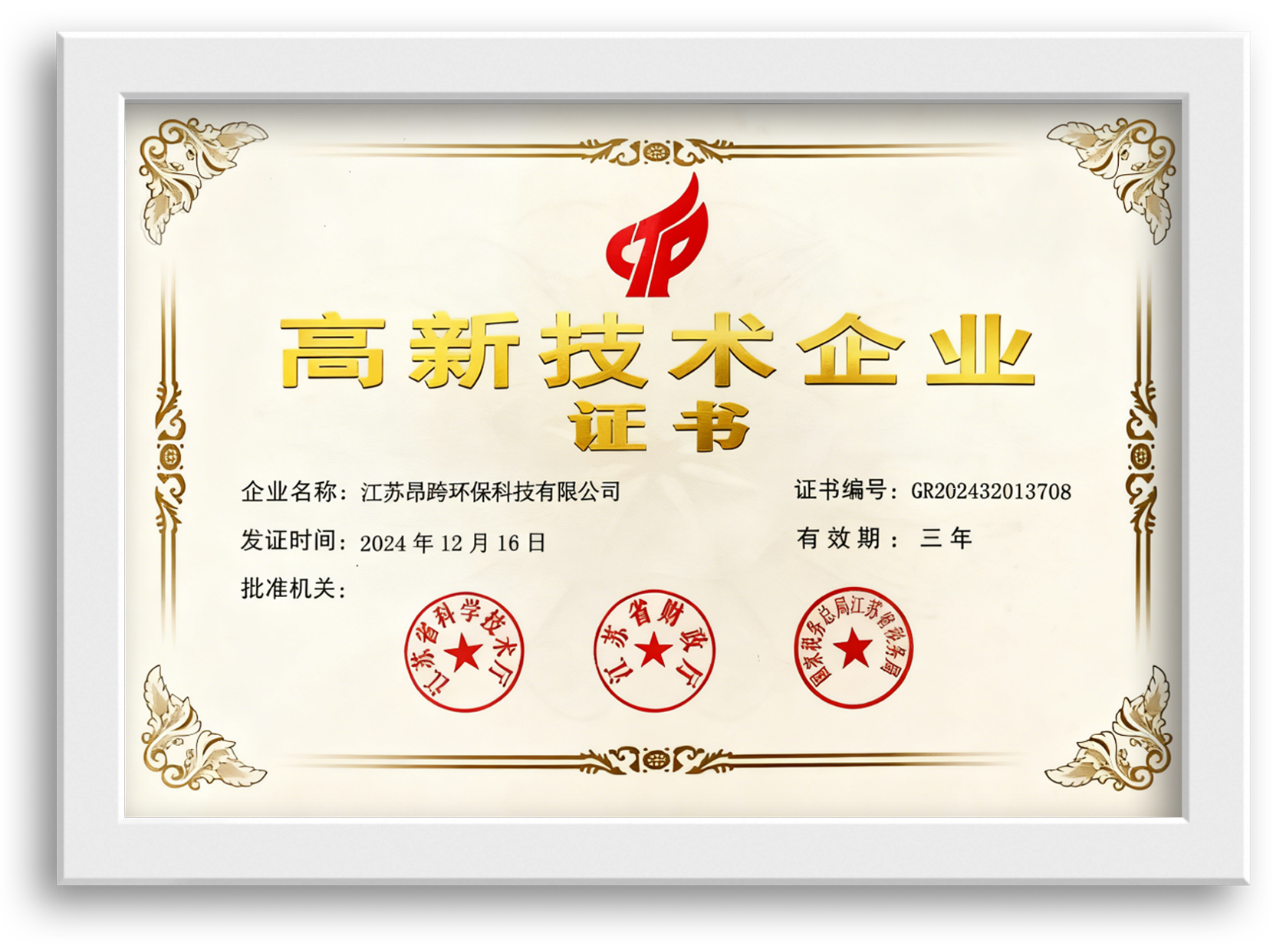
Certificate Of Honor
  • h1
  • h1-副本

Pool Spa Filter Industry knowledge

Core Guarantee of Premium Water Quality: A Comprehensive Guide to High-Efficiency Swimming Pool Filter Systems

Whether it is a high-specification commercial water park, a luxury hotel, or a private villa project, the clarity and hygiene of the water are always the core indicators for measuring the standards of aquatic facilities. In this closed-loop water circulation system, the Swimming Pool Filter plays the dual role of the heart and kidneys. It is not only responsible for physically intercepting suspended solids, impurities, and tiny particles in the water, but is also the key defense line for maintaining the chemical balance of the water and ensuring the health of swimmers. A well-functioning filtration system can effectively reduce the dosage of chemical disinfectants, thereby significantly lowering the overall operating energy consumption and maintenance labor of the project in its later stages.

However, faced with constantly upgrading global water quality standards, the uneven filtration equipment on the market often exposes drawbacks such as easily cracked tanks, rapid decline in filtration precision, and frequent maintenance requirements. Once these hidden dangers break out in actual engineering scenarios, they will not only cause turbid water and trigger customer complaints but also directly increase the repair costs of the entire facility. For this reason, finding a manufacturing source with a profound research and development background and strict quality control is particularly crucial.

In the process of solving these industry pain points, Jiangsu Angkua Environmental Protection Technology Co., Ltd. provides an effective solution based on its deep cultivation in water treatment equipment manufacturing. As a professional water purification equipment manufacturer, the company relies on advanced production equipment and a professional technical team to directly apply high-standard filtration technology to the research, development, and production of equipment. Not limited to conventional manufacturing, the company is committed to technological innovation and comprehensive quality control, ensuring that every factory-dispatched Swimming Pool Filter can meet or even exceed stringent engineering expectations.

Under the test of the global market, the high performance and reliability of the equipment must be supported by hard compliance indicators. The water treatment equipment of Jiangsu Angkua Environmental Protection Technology Co., Ltd. is not only rigorously certified to international standards such as NSF/FDA, but also complies with domestic and international norms such as DIN8077, DIN8078, ISO15874, and GB/T18742. Relying on this uncompromising commitment to product quality, its products have successfully entered the European and American markets, which have extremely high requirements for water quality, and have won widespread recognition in large-scale projects in numerous provinces, cities, and regions at home and abroad, establishing long-term, stable market competitiveness for partners.

To more intuitively reflect the differences between high-quality Swimming Pool Filters and common commercially available equipment in actual engineering applications, here is a comparison of core parameters that determine the stable operation of a project:

Max Operating Pressure:
High-Performance Equipment: Typically withstands a working pressure of 2.5 - 4.0 bar (36-58 psi), perfectly adapting to deep water areas and the strong water flow impact of large commercial water pumps, ensuring the safe operation of the system under high loads.
Standard Equipment: The ultimate pressure usually hovers around 1.5 - 2.0 bar, making it highly prone to valve leakage or micro-cracks in the tank during pressure fluctuations.

Material Durability and Anti-Aging Performance:
High-Performance Equipment: Adopts reinforced fiberglass winding or corrosion-resistant high-density thermoplastic materials, featuring outstanding UV-resistant performance, completely adapting to outdoor exposure and saltwater environments, with a designed physical lifespan of 10-15 years.
Standard Equipment: Mostly uses low-end plastic materials, which may experience embrittlement, fading, or even peeling after 3-5 years of use in outdoor environments.

Hydrodynamic Design and Water Distribution Efficiency:
High-Performance Equipment: Equipped with precision-calculated top water distributors and bottom collection networks, ensuring that the water flow penetrates the filtration medium 100% evenly without blind spots, resulting in extremely high backwash efficiency.
Standard Equipment: Simple internal structures easily lead to channeling phenomena, where water directly passes through the gaps in the filter layer, significantly reducing actual filtration precision.

Filtration Precision Limit:
High-Performance Equipment: Combined with top-tier filtration media, the interception precision can be strictly controlled at 5-15 microns (for precision cartridge or D.E. systems), giving the water a crystal-clear optical effect.
Standard Equipment: Conventional shallow filtration can often only handle visible impurities above 40-50 microns, leaving tiny suspended solids in the water.

Through the comparison of the above core parameters, it can be seen that the preliminary equipment selection directly determines the operational lifespan and water quality performance of the entire aquatic project. With these technical indicators clarified, project planners and engineers can more scientifically match the most suitable filtration solution based on the actual water volume, peak foot traffic, and specific hydrological environments.

Meeting Diverse Engineering Demands: Mainstream Swimming Pool Filter Categories and Application Scenarios

Different aquatic projects face entirely different operational conditions. From municipal aquatic centers with huge daily loads to indoor heated pools with extremely limited equipment room space, a single type of equipment obviously cannot handle all scenarios. Therefore, accurately understanding the physical characteristics and hydrodynamic performance of different types of Swimming Pool Filters is a prerequisite for formulating scientific and long-lasting water treatment solutions. Based on the differences in filtration media and structural design, the industry generally divides filtration equipment into three core categories.

First is the Sand Filter, which is currently the most widely used in the engineering field. Its working principle utilizes the head of the water pump to press the raw water with suspended solids into the filter tank. The water flows from top to bottom through a filter layer of a certain thickness (usually refined quartz sand or glass media of a specific mesh size), intercepting impurities on the surface and within the crevices of the sand layer. The core advantage of this type of equipment lies in its extremely low daily consumable costs and straightforward maintenance method. When the internal pressure drop of the system increases, operators only need to manipulate the multiport valve to perform a backwash, injecting water in the reverse direction to discharge impurities out of the tank and quickly restore filtration efficiency.

However, frequent backwash operations cause the inside of the tank to endure periodic alternating stress, which poses severe tests on the anti-fatigue strength of the equipment shell and the sealing of the multiport valve. In coping with such high-intensity engineering demands, Jiangsu Angkua Environmental Protection Technology Co., Ltd. demonstrates significant manufacturing advantages. As a professional manufacturer deeply rooted in the water purification field, the company not only possesses advanced production equipment but has also made continuous innovations in tank material proportioning and seamless molding technology. Its manufactured filter tanks can easily withstand extreme water flow impacts and pressure fluctuations. This strict control over details and rigorous factory inspections ensure that the equipment maintains outstanding stability and a long service life even in harsh outdoor or high-load environments.

Secondly, with the popularization of energy-saving and water-saving concepts in modern architectural plumbing design, Cartridge Filters are occupying an increasingly large market share. They utilize high-strength pleated polyester non-woven fabric cartridges internally, a design that exponentially expands the effective filtration area within an extremely small volume. Its biggest highlight is that it requires absolutely no backwashing; during maintenance, the cartridge simply needs to be removed and rinsed with a water gun. This not only saves a massive amount of water resources but also avoids the energy waste caused by draining warm water during backwashing, making it highly suitable for heated facilities with narrow equipment rooms or extremely high environmental requirements.

Finally, for high-end customized projects that pursue the ultimate water quality and require the pool water to present a crystal-clear optical effect, the Diatomaceous Earth (D.E.) Filter is the ceiling within the industry. It uses fossilized diatom powder attached to internal polymer grids to form an incredibly dense filtration membrane. Although its daily maintenance is relatively cumbersome (requiring the re-application of D.E. powder after backwashing), it can capture microscopic particles in the water, bringing impeccable clarity.

To facilitate more precise equipment selection during the initial stage of a project, here is a comparison of the core performance parameters of these three mainstream Swimming Pool Filters:

Filtration Precision Limit:
Sand Filter: 20 - 40 microns (Can be further improved to 10-15 microns when paired with flocculants or replaced with active glass media).
Cartridge Filter: 10 - 15 microns (Capable of intercepting the vast majority of dust, dander, and tiny suspended solids).
D.E. Filter: 2 - 5 microns (Highest filtration precision, capable of intercepting even some bacteria and extremely fine algae spores).

Backwash Water Consumption:
Sand Filter: High water consumption. Each backwash typically requires 2-5 minutes of the rated pump flow and necessitates dedicated sewage drainage pipelines.
Cartridge Filter: Zero water consumption (No backwash required), consuming only a minimal amount of tap water during manual cartridge rinsing.
D.E. Filter: Moderate water consumption. Fresh D.E. powder must be replenished after backwashing, resulting in slightly higher consumable costs.

System Pressure Drop (Initial Resistance):
Sand Filter: Initial fluid resistance is relatively high, requiring a certain head capability from the water pump.
Cartridge Filter: Extremely low initial water flow resistance, effectively reducing the operating load of the water pump and making the entire system more energy-efficient.
D.E. Filter: Moderate resistance, requiring strict monitoring of pressure gauge readings to prevent damage to the filter grids.

Through the lateral comparison of the above parameters, engineering designers can clearly see that there is no absolutely perfect single piece of equipment. Only a combination of Swimming Pool Filters that best matches the project's hydrological environment, equipment room conditions, and later operational maintenance capabilities can truly achieve the highly efficient operation of the water circulation system.

Pursuing Excellence: Manufacturing Processes and Inspection Systems of High-Standard Swimming Pool Filters

In the lifecycle of large aquatic projects, the later maintenance costs of equipment often far exceed the initial equipment investment. A filter tank that easily cracks or leaks will not only lead to catastrophic consequences of a flooded mechanical room but also bring about massive losses from business suspension for repairs. Therefore, the core barriers of a truly competitive Swimming Pool Filter are often hidden in the material science and manufacturing processes before leaving the factory. Controlling quality from the source is the only path to ensuring the long-term stable operation of the system.

Manufacturing a high-performance filtration device begins with the strict selection of raw materials. Traditional low-end tanks mostly use ordinary plastics, which are highly prone to material degradation after enduring long-term water pressure pulses and the corrosion of water treatment chemicals. Top-tier manufacturing systems, however, utilize advanced UV-resistant resins combined with high-strength fiberglass, or seamlessly molded corrosion-resistant thermoplastic polymers. These advanced materials can endow the tank with extremely high tensile strength and chemical inertness.

In this regard, Jiangsu Angkua Environmental Protection Technology Co., Ltd. demonstrates an industry-leading manufacturing standard. As a professional manufacturer focusing on the research, development, and production of high-quality water filters, wave purification components, household water purifiers and accessories, as well as PPR pipes and related accessories, the company understands that material durability directly determines the service life of the equipment. Relying on advanced production equipment and a professional technical team, the company integrates strict material screening mechanisms into every production link, committing to providing comprehensive water treatment solutions for global customers and making substantial contributions to the conservation and utilization of global water resources.

With high-quality materials, advanced molding processes are also needed to materialize them. In modernized production workshops, advanced seamless molding technology and multi-axis automated winding processes are widely applied. This process eliminates the weak seams common in traditional spliced tanks, allowing the filter tank to evenly distribute internal water pressure, completely eradicating the risk of micro-leaks, and thereby ensuring the anti-burst performance of the product under extreme water pressure.

However, for a product to gain widespread recognition globally (especially in high-standard markets like Europe and the United States), excellent craftsmanship alone is not enough; it must rely on a full-chain quality control system. Jiangsu Angkua Environmental Protection Technology Co., Ltd. always regards technological innovation and quality control as the dual engines of enterprise development, ensuring that every product leaving the factory meets or even exceeds customer expectations. Its water purification equipment has not only strictly passed international authoritative certifications such as NSF/FDA but also complies with domestic and foreign standard systems such as DIN8077, DIN8078, ISO15874, and GB/T18742. This uncompromising commitment to product quality is the foundation for its products to win widespread recognition in numerous provinces and cities at home and abroad, as well as in the global market, and to establish long-term, stable relationships with partners.

To clearly illustrate the differences between top-tier factories and ordinary processing workshops in the quality control phase, here is a comparison of the core manufacturing parameters and factory testing standards that determine equipment reliability:

Destructive Burst Pressure Test:
Top-Tier Manufacturing Standards: Sampled products from each batch must withstand extreme burst tests of 2.5 to 4 times the designed working pressure (for example, a tank with a working pressure of 2.5 bar must withstand an instantaneous water pressure of over 10 bar without structural rupture) to ensure absolute safety when encountering water hammer effects.
Standard Manufacturing Standards: Often only conduct conventional working pressure holding tests, lacking destructive verification of extreme load-bearing data, resulting in extremely low safety redundancy.

UV and Weathering Resistance Test:
Top-Tier Manufacturing Standards: The external coating of the tank or the thermoplastic material itself must undergo strict accelerated aging chamber tests, simulating over 10 years of strong UV exposure and drastic temperature changes. The surface must not show pulverization, cracking, or severe fading, ensuring the lifespan of exposed outdoor installations.
Standard Manufacturing Standards: Lack anti-aging modification treatments. After 3-5 years of use in outdoor environments, the outer shell fibers are highly prone to peeling, embrittlement, or even water seepage.

Hydraulic Cyclic Fatigue Test:
Top-Tier Manufacturing Standards: During the R&D and production phases, the equipment must undergo over 100,000 continuous pressurization and depressurization cyclic tests, truly simulating the frequent start-stop and backwash working conditions of the system over a dozen years, verifying the long-term anti-fatigue attenuation rate of internal components of the multiport valve and tank sealing rings.
Standard Manufacturing Standards: Only conduct static water pressure sealing tests for a few minutes before leaving the factory, which cannot reflect the true performance of the equipment under long-term dynamic alternating loads.

Through the introduction of raw materials, the optimization of production processes, to stringent finished product inspections, a perfected supply chain system is not just about manufacturing a simple physical filtration container, but about delivering a long-term safety guarantee for every water treatment project.

Securing Project Lifecycle Benefits: Core Evaluation Metrics for Bulk Sourcing Swimming Pool Filters

For large engineering contractors, water treatment system integrators, and global equipment distributors, sourcing Swimming Pool Filters for commercial or high-end residential projects involves evaluating dimensions far beyond the performance of a single unit; it concerns long-term supply chain stability, compliance risks, and subsequent overall maintenance costs. A mature manufacturing partner must be able to provide comprehensive support in product quality, customization capabilities, and delivery fulfillment.

First is compliance and international certification. Different countries and regions have stringent entry standards for water treatment equipment, especially for projects in public venues and high-end engineering, where the equipment must possess corresponding safety and health certifications. Jiangsu Angkua Environmental Protection Technology Co., Ltd. has built a rigorous compliance system in this regard. The company not only focuses on the research, development, and production of high-quality water filters, wave purification components, and household water purifiers and accessories, but its products have also strictly passed international authoritative certifications such as NSF/FDA, and comply with multiple standards including DIN8077, DIN8078, as well as ISO15874 and GB/T18742. This comprehensive qualification certification effectively eliminates compliance barriers for partners during cross-border transit and engineering acceptance processes.

Secondly, profound OEM/ODM customization capabilities are essential. Every large-scale water conservancy project or well-known brand channel has its unique system design language and installation habits. From tank colors and brand logo silk-screening to multiport valve interface dimensions of specific specifications, or even modifying the internal water distribution network based on specific water quality, the factory is required to have strong secondary development and rapid response capabilities. Relying on a professional technical team and advanced production equipment, Jiangsu Angkua Environmental Protection Technology Co., Ltd. can provide customized solutions from design and prototyping to mass production, helping partners build product lines with differentiated competitive advantages.

Furthermore, water treatment projects are often accompanied by the overall construction of supporting pipelines. In addition to core filtration equipment, the coordinated supply of PPR pipes and related accessories is equally crucial. As a comprehensive water treatment equipment manufacturer, Jiangsu Angkua Environmental Protection Technology Co., Ltd. can provide a one-stop coordinated supply from Swimming Pool Filters to supporting PPR pipelines and accessories. This complete industry chain supporting capability not only significantly reduces the multi-party procurement costs and logistics communication barriers for distribution and engineering teams but also ensures a high degree of uniformity in material compatibility and pressure ratings across the entire water supply and drainage pipe network system.

To more intuitively evaluate the capacity gaps among manufacturing vendors in bulk supply and service guarantees, here is a comparison of key service indicators that determine the success or failure of a partnership:

Certification and Compliance Depth:
Top-Tier Manufacturers: Possess a full set of international and regional standard certifications such as NSF/FDA, DIN, and ISO, with complete test reports, enabling smooth customs clearance and meeting the inspection requirements of various large-scale engineering and government bidding projects.
General Processing Factories: Lack international certifications, relying solely on localized test reports, making them prone to fulfillment risks during cross-border delivery or third-party on-site inspections.

OEM/ODM Customization Response Speed:
Top-Tier Manufacturers: Possess independent mold development and fluid simulation capabilities, capable of completing mold modifications and interface adaptations in a short time, and supporting flexible order batches and multi-dimensional brand customization.
General Processing Factories: Can only provide standardized off-the-shelf items, lacking flexible response capabilities for customization needs such as non-standard interfaces, special tank colors, or exclusive outer packaging.

System Compatibility and One-Stop Delivery:
Top-Tier Manufacturers: Have a rich product line (such as filter tanks, multiport valves, and supporting PPR pipeline components), capable of guaranteeing the physical and chemical compatibility of materials across the entire water circulation pipeline, achieving the efficient delivery of a complete set of solutions.
General Processing Factories: Single product line requiring accessories to be pieced together externally. Pipeline threads and sealing interfaces easily generate tolerance friction issues, increasing on-site installation and leakage risks.

After-Sales Response and Long-Term Spare Parts Support:
Top-Tier Manufacturers: Establish a perfected technical support team and maintain long-term stable inventory for key wearing parts such as multiport valves, sealing rings, and pressure gauges, ensuring original component supply throughout the equipment's 5-10 year operational period.
General Processing Factories: No long-term spare parts stocking plans. Once molds are discontinued or upgraded, after-sales maintenance for previously sold equipment will face the dilemma of having no parts to replace.

Overall, accurately assessing the comprehensive strength of the manufacturing source can not only guarantee the safe and smooth delivery of every engineering project but is also a powerful support for establishing long-term, stable cooperative relationships and jointly cultivating the global water treatment market.

Professional Engineering Specifications: Installation, Operation, and Efficiency Enhancement Guide for Swimming Pool Filters

In water treatment engineering, even for a top-performing Swimming Pool Filter, its filtration efficiency and service life will be greatly compromised if there is a lack of scientific system matching, standardized on-site installation, and meticulous daily operation and maintenance. Translating equipment performance into long-term water quality stability requires the project team to follow rigorous technical specifications throughout the entire process of engineering selection, pipeline connection, and later maintenance.

System Matching and Scientific Selection

Reasonable system selection is the prerequisite for ensuring circulating water quality. When selecting a Swimming Pool Filter, one must never rely solely on empirical estimates but must perform precise calculations based on the total pool water volume (V), design turnover time (T), and the rated flow of the water pump.

Circulation Flow Calculation: Based on the formula Q = V / T (where Q is the minimum circulation flow required by the system in cubic meters per hour, V is the total volume of the pool in cubic meters, and T is the specified turnover time in hours).

Filtration Area Matching: Determine the total filtration area required for the Swimming Pool Filter based on the calculated circulation flow Q and the rated filtration velocity of the selected filtration medium.

In complex engineering projects, the resistance matching between filtration equipment and front-end water pumps, as well as back-end heating and disinfection equipment, often requires precise technical data support. Relying on a professional technical team and extensive experience in water treatment solutions, Jiangsu Angkua Environmental Protection Technology Co., Ltd. can provide precise hydraulic calculation support and equipment selection advice for engineering projects. At the same time, the PPR pipes and accessories manufactured by the company have an extremely high degree of adaptation with filtration equipment interfaces, effectively reducing along-the-way pipeline resistance and local head loss, ensuring that the entire water circulation system operates smoothly within the optimal energy efficiency range.

Standardized Installation and Pipeline Coordination

Foundation Leveling and Shock Absorption: The filter tank should be installed on a level, solid concrete foundation with good drainage conditions. The base needs to be equipped with shock-absorbing washers to absorb the hydraulic shock generated when the water pump starts and stops.

Multiport Valve and Pipeline Connection: When connecting inlet and outlet pipelines, forcibly aligning them is strictly prohibited to prevent the weight of the pipelines from acting directly on the valve body or tank interfaces of the Swimming Pool Filter.

Exhaust and Pressure Relief: Before starting, the manual exhaust valve on top of the multiport valve must be opened to purge the air inside the tank, and then the water pump should be started slowly to prevent cavitation and high-pressure air pockets from causing structural damage to the tank.

Long-Term Operations and Key Operational Parameters

The focus of daily equipment maintenance lies in monitoring pressure differentials and executing standard backwash procedures. Here are the core operational parameter guidelines for maintaining the long-term, high-quality operation of the system:

Backwash Pressure Differential Trigger:
Standard Specification: When the inlet and outlet pressure gauge reading difference increases by 0.5 - 0.7 bar (7-10 psi) compared to the initial clean state, a backwash must be executed immediately.
Operational Misconception: Avoid performing backwashes blindly based on a fixed number of days; doing it too frequently wastes water and heat energy, while doing it too sparsely causes media hardening, short-circuiting of water flow, and damage to the tank.

Filtration Velocity Control Standard:
High-End Residential/Private Projects: Recommended to be controlled at 20 - 30 m/h, which achieves excellent water clarity and lower system operating noise.
High-Load Commercial/Public Projects: Controlled at 30 - 45 m/h to maximize the utilization of equipment throughput capacity while guaranteeing treatment efficacy.

Winterization and Draining Protocols:
Engineering in Freezing Regions: During seasonal shutdowns, the drain plug at the bottom of the tank must be opened to thoroughly drain any accumulated water inside; simultaneously, the multiport valve handle should be placed in the intermediate "Winter/Closed" position to prevent freezing expansion from cracking the tank or damaging internal collection components.
Year-Round Operational Engineering: Regularly inspect the aging condition of sealing rings and clean and lubricate the internal valve core of the multiport valve.

By establishing standardized installation and operation workflows, paired with high-quality hardware equipment and seamless pipeline interconnection, system failure rates can be significantly reduced, allowing the Swimming Pool Filter to continuously deliver excellent water purification performance throughout its entire service cycle.

Water Treatment Engineering and Operation FAQ: Common Questions and Answers About Swimming Pool Filters

During the selection, installation, and long-term operation of water treatment projects, project stakeholders, engineering contractors, and on-site maintenance teams alike encounter various technical queries and practical operational challenges regarding Swimming Pool Filters. The following compiles the core questions most concerned by the industry, providing professional answers from the perspectives of technical principles, product performance, and engineering practices.

Q1: What are the standards for media replacement and maintenance cycles for different types of Swimming Pool Filters?

Answer: The replacement cycle of filter media depends on the equipment type, water quality load, and the frequency of daily maintenance. Reasonable media maintenance not only guarantees filtration efficacy but also prolongs the service life of the tank and the water pump.

Here is a comparison of operational and replacement parameters for three mainstream Swimming Pool Filter media:

Sand / Glass Media:
Backwash Frequency: Once every 1 - 2 weeks (or when the pressure differential increases by 0.5 - 0.7 bar).
Replacement Cycle: Ordinary quartz sand is usually 3 - 5 years (interception ability decreases after sand grains become rounded and blunt); high-performance glass media can reach 7 - 10 years (surface has strong anti-pollution capabilities and resists clumping).
Maintenance Signal: System pressure remains high even after frequent backwashing, or output water clarity drops significantly.

Pleated Cartridge Filter Element:
Cleaning Frequency: Manually remove and rinse every 2 - 4 weeks (depending on water dirtiness).
Replacement Cycle: 1 - 2 years (annual replacement is recommended for high-load commercial venues).
Maintenance Signal: Non-woven fabric shows tears, capillary pores are severely clogged with oils, and pressure gauge readings remain high after rinsing.

D.E. Powder & Grids:
Replenishment/Replacement Frequency: D.E. powder must be re-added after every backwash (cycling roughly every 4 - 8 weeks). Internal filter grids are usually inspected deeply or replaced every 3 - 5 years.
Maintenance Signal: Uneven membrane formation after backwashing, or D.E. powder leakage observed on the pool floor.

Q2: If the pressure gauge reading on the Swimming Pool Filter is abnormal, what are the usual causes?

Answer: The pressure gauge is the barometer for monitoring the internal operating status of a Swimming Pool Filter. Abnormal readings generally fall into two scenarios:

Abnormally High Pressure:
Main Causes: The filter bed or cartridge is severely blocked, increasing water flow resistance; or the downstream outlet pipeline valve is not fully open, or there is scaling blockage inside the pipes.
Troubleshooting Steps: Prioritize executing a backwash or cleaning the cartridge; if pressure remains high, check whether downstream pipelines and nozzles are unobstructed.

Abnormally Low Pressure:
Main Causes: The front-end water pump inlet is blocked by debris (like leaves or plastic bags), resulting in insufficient pump flow; or there is severe leakage in the system, and pipes are drawing in air (cavitation).
Troubleshooting Steps: Clean the water pump basket and hair interceptor; inspect suction pipeline connection sealing rings for aging and air leaks.

Q3: What anti-corrosion properties must a Swimming Pool Filter have in Saltwater Pools or high-salinity water conditions?

Answer: Saltwater chlorine generation systems produce continuous chloride ions and high-salinity environments in the water, which exert strong electrochemical corrosiveness on metal parts and ordinary plastics. Therefore, a Swimming Pool Filter used in such environments must possess extremely high chemical inertness.

In addressing this severe challenge, the manufacturing processes of Jiangsu Angkua Environmental Protection Technology Co., Ltd. demonstrate a significant edge. As a professional water purification equipment manufacturer, the company not only focuses on the R&D of highly efficient water filters and wave purification components but has also accumulated deep experience in the application of anti-corrosion materials. Its manufactured Swimming Pool Filter tanks use high-grade UV-resistant fiberglass or specialized modified thermoplastic materials. The internal valve cores, collection laterals, and connectors have all passed salt and chlorine resistance tests. The products strictly comply with multiple domestic and foreign standards such as ISO15874, GB/T18742, DIN8077, and DIN8078, capable of completely resisting the erosion of high-salinity water, safeguarding the equipment's long-term stable operation in saltwater systems.

Q4: In large-scale engineering projects, how can one ensure bulk-supplied Swimming Pool Filters maintain quality consistency and smooth delivery?

Answer: Large water conservancy and construction projects have extremely high requirements for bulk consistency of arriving equipment, standardized interfaces, and compliance certifications. Off-tolerance dimensions on any single piece of equipment can hinder on-site installation.

To ensure delivery quality across the entire process, Jiangsu Angkua Environmental Protection Technology Co., Ltd. has established a strict quality control system from raw material intake to finished product dispatch. Relying on a professional technical team and advanced automated production equipment, the company conducts rigorous hydrostatic holding tests and fluid performance inspections on every batch of Swimming Pool Filters. Its products have not only passed international authoritative certifications like NSF/FDA but have also been extensively verified in engineering projects across numerous provinces, cities, and regions locally and abroad. Furthermore, the company is capable of coordinating the supply of comprehensive water treatment pipeline components, including PPR pipes and related accessories, providing clients with comprehensive water treatment solutions and ensuring that the project site can complete assembly and commissioning efficiently.

Q5: How should one handle leaks or operational stiffness in the Multiport Valve?

Answer: The multiport valve is the most frequently operated control component of a Swimming Pool Filter. Common issues and resolution strategies are as follows:

Continuous Minor Leaks at the Waste Port: This is typically caused by the internal spider gasket wearing out, displacing, or being scratched by sand grains. It is recommended to shut off the water pump, open the valve cover, clear any debris, or replace the gasket with original seals.

Handle is Difficult to Rotate or Stuck: It is strictly forbidden to forcefully wrench the handle while the water pump is running! The power to the water pump must be cut off first to release the pressure inside the tank before pressing down on the handle to switch functions. If long-term non-operation leads to internal scaling, the valve stem O-rings need to be disassembled and lubricated.

Original Parts Guarantee: It is advisable to partner with a manufacturing source that boasts a complete after-sales system and spare parts reserves right from the project's inception. This ensures that throughout the entire life cycle of the equipment, wearing parts such as handles, pressure gauges, and sealing rings can receive timely original parts support.