+86-13962755959

Coffee Filter Cartridge Wholesale

Home / Product / Pitcher Water Filters & Coffee
Company
Jiangsu Angkua Environmental  Protection Technology Co., Ltd.
Jiangsu Angkua Environmental Protection Technology Co., Ltd.
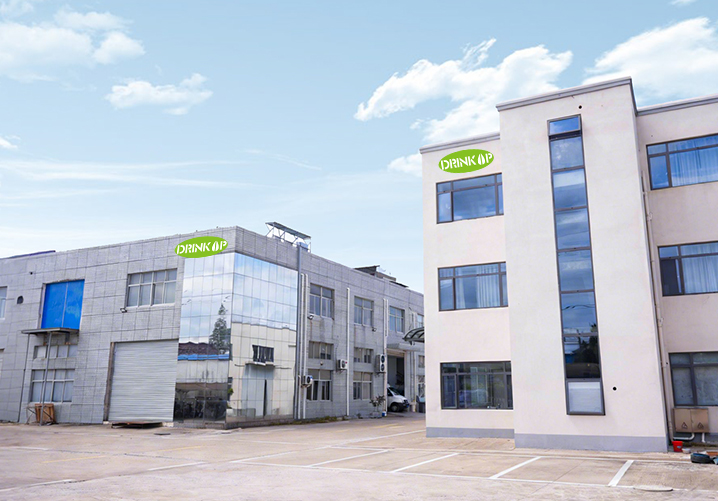
Jiangsu Angkua Environmental Technology Co., Ltd. is China Pitcher Water Filter Manufacturers and Wholesale Coffee Filter Cartridge Factory, specializing in the research, development, and production of high-quality water filters, wave purification components, household water purifiers and accessories, as well as PPR pipes and related accessories. Our products, renowned for their high performance and reliability, have successfully entered global markets, including Europe and the United States, and have earned widespread recognition in numerous provinces, cities, and regions both domestically and internationally.
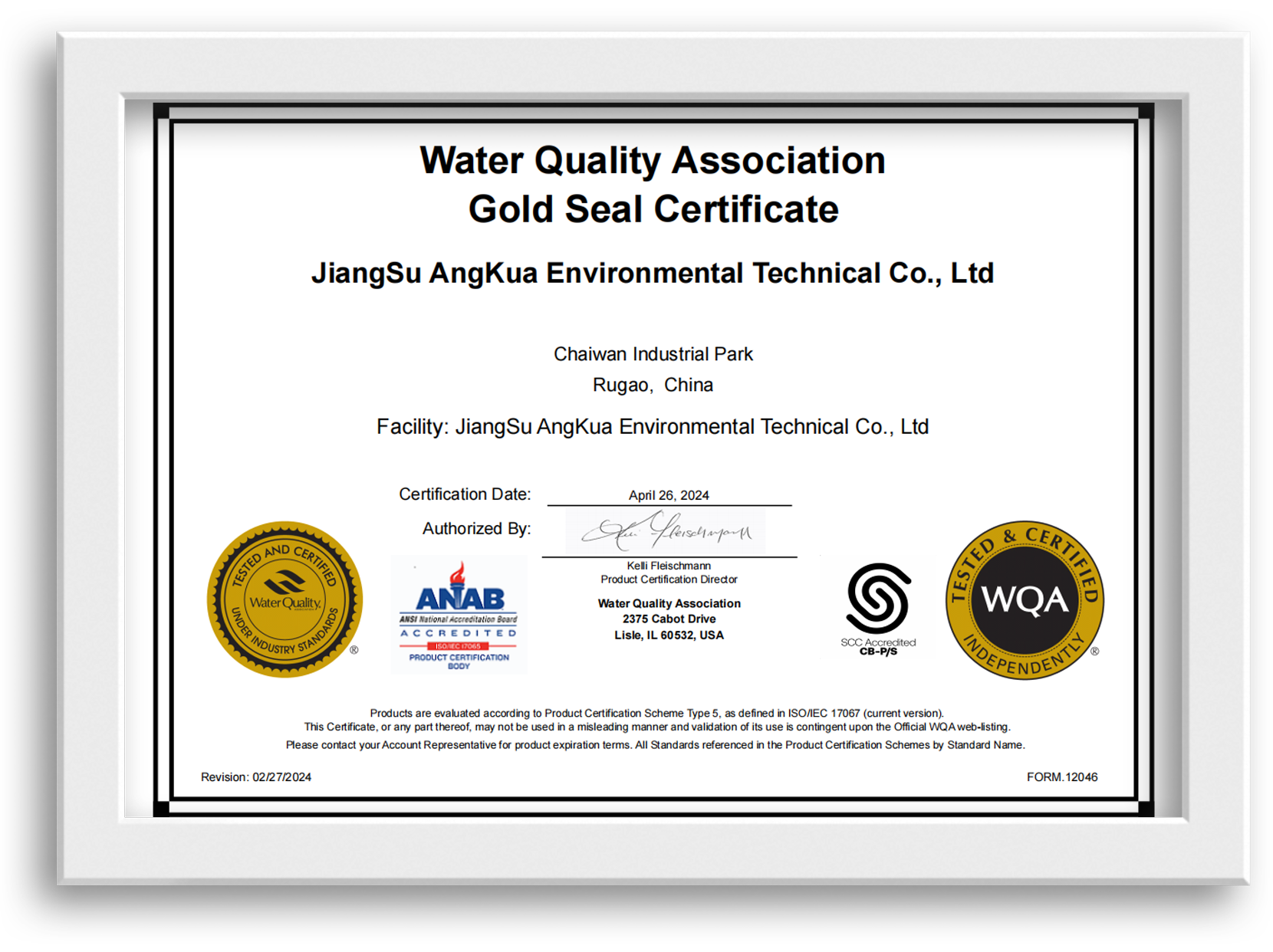
The company is committed to technological innovation and quality control, ensuring that every product meets or exceeds customer expectations. Our water purification equipment is not only rigorously certified to international standards such as NSF/FDA, DIN8077, and DIN8078, but also complies with domestic standards such as ISO15874 and GB/T18742, demonstrating our unwavering commitment to product quality.
Jiangsu Angkua Environmental Technology Co., Ltd., with its professional technical team, advanced production equipment, and comprehensive after-sales service, provides customers with comprehensive water treatment solutions. We believe that through continuous hard work and innovation, we can make greater contributions to the conservation and utilization of global water resources and establish long-term, stable partnerships with our customers.
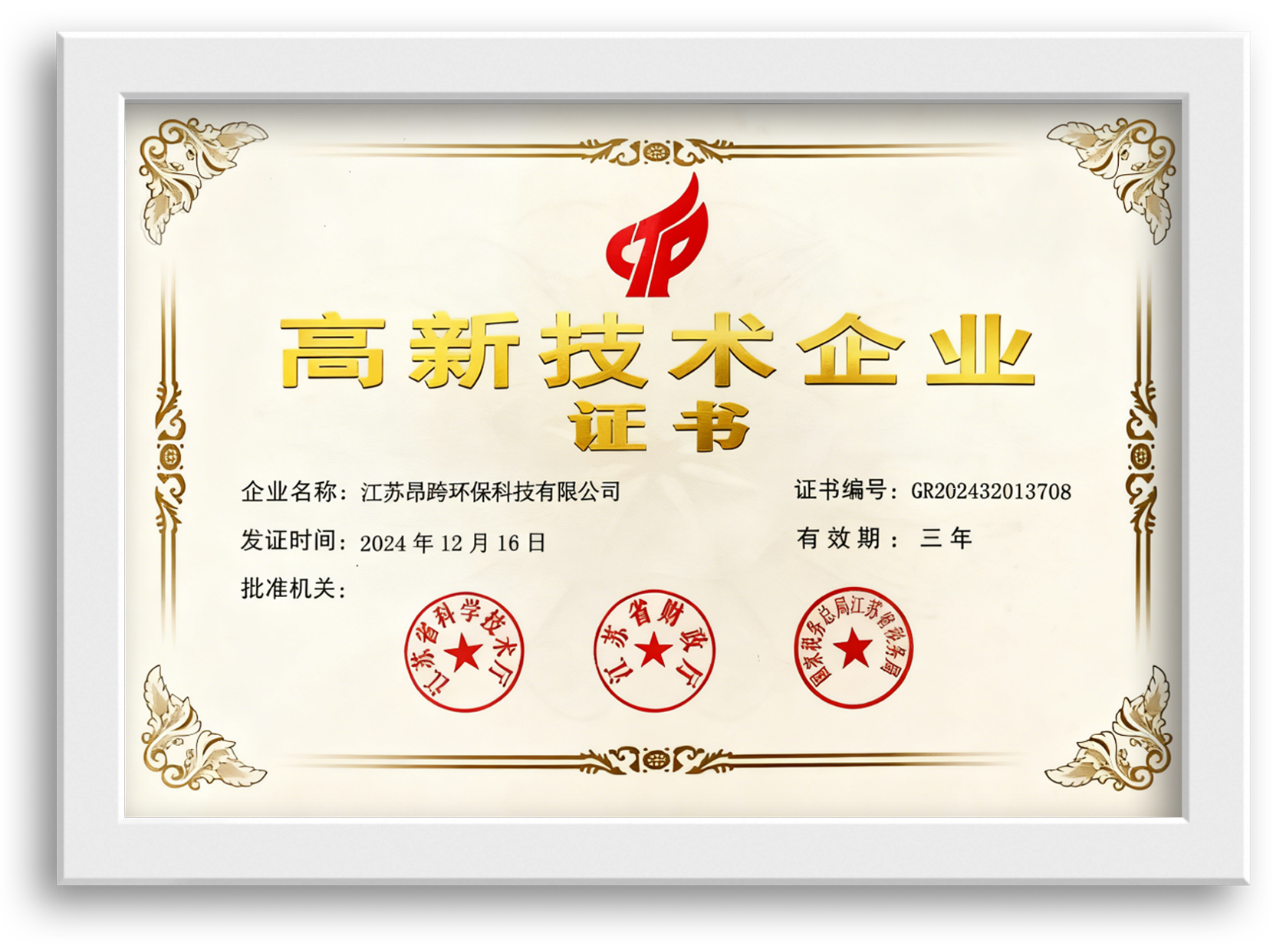
Certificate Of Honor
  • h1
  • h1-副本

Pitcher Water Filters & Coffee Industry knowledge

1. Understanding the Modern Pitcher Water Filter Market and Commercial Opportunities

Global Demand Growth and Market Dynamics

The global market for point-of-use water purification has experienced accelerated expansion over the past several years. Municipal infrastructure aging, shifting public perceptions regarding tap water safety, and rising consumer health consciousness are driving continuous demand. Modern households, corporate offices, and hospitality environments increasingly seek accessible, high-efficiency purification solutions that do not require complex under-sink installation. Within this landscape, the pitcher water filter has evolved from a basic kitchen utility into an essential health and lifestyle accessory.

The Value Proposition for Global Distribution Partners

For international brand owners, home appliance distributors, and regional retail chains, securing a reliable high-performance pitcher water filter portfolio represents a major growth driver. End-users today demand sleek aesthetics, ergonomic handling, and verified reduction of chlorine, microplastics, and heavy metals. By aligning with an established manufacturing partner like Jiangsu Angkua Environmental Technology Co., Ltd., distribution networks can capture substantial market share with products that meet strict international benchmarks. Jiangsu Angkua Environmental Technology Co., Ltd. leverages advanced production equipment and a professional technical team to ensure that every pitcher water filter delivers consistent flow rates and superior taste enhancement, backed by rigorous certifications such as NSF and FDA compliance.

Target Demographics and Commercial Application Segments

Understanding where and how these filtration units are deployed helps importers tailor their product offerings for maximum market penetration:

  • Residential Retail: Urban apartments, suburban family homes, and rental properties where permanent plumbing modifications are restricted.
  • Corporate Workspaces: Breakrooms, executive offices, and co-working facilities requiring compact, standalone hydration stations.
  • Hospitality and Healthcare: Hotel guest rooms, clinic waiting areas, and institutional dining spaces seeking immediate access to purified drinking water.

Specification & Performance Comparison: Standard Pitcher vs. Advanced Commercial-Grade Models

To assist importers and category managers in selecting the right tier for their regional markets, the following structural and performance parameters outline the differences between standard retail pitchers and advanced industrial-grade configurations:

Performance Parameter Entry-Level Retail Pitcher Advanced High-Performance Pitcher Water Filter
Primary Housing Material Standard SAN / General Plastic Food-grade BPA-free AS and ABS plastics
Filtration Stages Single-stage Granular Activated Carbon (GAC) Multi-stage (GAC, Ion-Exchange Resin, Mineral Balls)
Chlorine Reduction Rate 85% to 90% Up to 97% to 99%
Heavy Metal Adsorption Basic or minimal Certified reduction for Lead, Copper, and Cadmium
Cartridge Lifespan 30 to 40 Gallons (approx. 150 Liters) 60 to 100 Gallons (approx. 380 Liters)
Quality Assurance Standard Basic factory check Comprehensive QA/QC: NSF/FDA compliance, leak testing

2. Core Engineering and Filtration Performance Standards

Multi-Stage Filtration Technology inside a Commercial-Grade System

The structural integrity and purification efficiency of any high-end pitcher water filter rely heavily on its internal multi-stage cartridge design. Unlike basic gravity vessels that merely strain visible sediment, professional-grade purification utilizes a sophisticated sequence of media layers. Typically, this begins with a fine mesh screen to capture suspended particles, followed by high-purity coconut shell granular activated carbon (GAC) to target chlorine, volatile organic compounds (VOCs), and unpleasant tastes or odors.

Advanced engineering integration—such as the specialized purification components developed by Jiangsu Angkua Environmental Technology Co., Ltd.—incorporates premium ion-exchange resins. This specific layer effectively binds heavy metal ions like lead, copper, and mercury, while optional mineral balls restore beneficial trace elements to optimize the final pH balance of the water.

Contaminant Reduction Metrics and Compliance Benchmarks

For global distribution partners and retail brand owners, verifying contaminant reduction performance is critical for regulatory clearance and end-user trust. A properly engineered pitcher water filter must undergo strict laboratory testing to validate its efficacy against international health standards.

Jiangsu Angkua Environmental Technology Co., Ltd. ensures that its water purification equipment and filtration media strictly adhere to rigorous global benchmarks. Their manufacturing processes comply with major international standards such as NSF and FDA, alongside structural plumbing benchmarks like DIN8077, DIN8078, ISO15874, and GB/T18742. This guarantees that every bulk shipment delivers reliable, certified contaminant reduction.

Flow Rate and Capacity Optimization

A common engineering challenge in gravity-fed filtration is balancing the trade-off between contact time and water throughput. If water passes through the media too quickly, absorption rates drop; if it moves too slowly, user frustration increases.

Modern production techniques address this by optimizing internal water channeling channels and maximizing surface area contact within the filter cartridge. By utilizing precision-molded components, a well-designed pitcher water filter achieves an optimal flow rate while extending overall cartridge longevity.

Technical Parameter & Filtration Efficiency Comparison

To help category managers evaluate performance tiers, the table below outlines the core specifications and reduction metrics between basic market alternatives and advanced engineering builds:

Technical Parameter Standard Single-Stage Filter Advanced Multi-Stage Pitcher Water Filter
Primary Media Composition Standard Coal-Based Carbon High-Purity Coconut Shell GAC + Ion-Exchange Resin
Chlorine & Taste Reduction ~85% efficiency Up to 99% certified removal
Heavy Metal Adsorption Limited or None High affinity for Lead, Copper, and Cadmium
Average Water Flow Rate 0.15 to 0.20 Liters per minute Optimized 0.25 to 0.35 Liters per minute
Standard Cartridge Capacity 150 Liters (approx. 40 Gallons) Up to 380 Liters (approx. 100 Gallons)
Manufacturing Compliance General factory standards NSF, FDA, DIN8077, DIN8078, and ISO15874 aligned

3. Industrial Manufacturing Excellence and Quality Control

Raw Material Sourcing and Food-Grade Safety

The foundation of a reliable pitcher water filter begins long before the final assembly line; it starts with meticulous material selection. In large-scale manufacturing, maintaining rigorous food-grade safety standards is non-negotiable. Housings, reservoirs, and lids must utilize certified, BPA-free plastics such as AS (Acrylonitrile Styrene), ABS, and SAN, ensuring that no harmful chemical leachates transfer into the water under varying temperature conditions.

Similarly, the internal filter media relies on high-purity coconut shell activated carbon, which offers superior microscopic pore distribution compared to standard coal-based alternatives. Industrial facilities operating under strict protocols—such as the rigorous quality frameworks maintained by Jiangsu Angkua Environmental Technology Co., Ltd.—source only certified raw materials that meet international food-contact safety mandates.

Strict QA/QC Protocols in High-Volume Production

Executing consistent quality control across tens of thousands of units requires a multi-layered verification process. Production lines for a high-performance pitcher water filter typically integrate automated checks at critical stages of manufacturing:

  • Dimensional Integrity Checks: Ensuring precision-molded reservoir components and lids fit seamlessly to prevent any unfiltered water bypass.
  • Leak and Pressure Testing: Automated air- and water-pressure testing on assembled pitchers and filter cartridges to guarantee seal integrity.
  • Microbiological and Structural Safety Validations: Regular laboratory batch testing to confirm that finished units comply with major regulatory benchmarks, including NSF/FDA requirements, as well as European and international structural standards like DIN8077, DIN8078, ISO15874, and GB/T18742.

Scalable Production Capacities and Infrastructure

Meeting the steady inventory demands of global retail distributors and brand partners requires advanced industrial infrastructure. Jiangsu Angkua Environmental Technology Co., Ltd. combines advanced production equipment with a professional technical team to streamline high-volume output. Utilizing computer-controlled injection molding machines, automated cleanroom assembly lines, and streamlined packaging stations allows the manufacturing process to scale rapidly while keeping defect rates near zero. This robust production capacity ensures that international partners receive stable, on-time shipments regardless of seasonal demand surges.

Manufacturing and Quality Control Parameter Comparison

To provide clear insight into production standards, the table below compares standard factory output with professional-grade manufacturing protocols:

Manufacturing Parameter Standard Factory Output Advanced Industrial Production (Jiangsu Angkua)
Plastic Material Grade General-purpose commercial plastics Certified BPA-free AS, ABS, and SAN polymers
Carbon Media Quality Standard coal-based or mixed-grade carbon High-purity coconut shell activated carbon
QA/QC Inspection Level Spot checks on finished batches 100% inline leakage testing + laboratory audits
Regulatory Compliance Basic domestic standards NSF, FDA, DIN8077, DIN8078, ISO15874 compliant
Production Scalability Limited by manual assembly bottlenecks Automated injection molding and streamlined lines

4. Customization and OEM/ODM Partnership Capabilities

Tailored Industrial Design and Product Ergonomics

In competitive consumer markets, visual differentiation and user-centric ergonomics are critical for brand success. A standard off-the-shelf pitcher water filter rarely satisfies the specific aesthetic or functional preferences of a distinct regional market. To help brand owners establish a unique market presence, manufacturing partners must offer comprehensive industrial design support.

This involves adapting reservoir capacities, altering handle grip angles, and tailoring color palettes to match modern kitchen interiors. Jiangsu Angkua Environmental Technology Co., Ltd. works closely with international partners through its professional technical team to transform initial conceptual sketches into functional, mass-producible 3D models. Every adjustment is engineered to ensure that the final pitcher water filter maintains optimal structural balance and fluid dynamics.

Private Label Solutions and Packaging Customization

Establishing strong brand equity requires consistent visual identity across all touchpoints. Comprehensive custom manufacturing programs extend far beyond the plastic reservoir itself. Private label strategies allow distributors and brand owners to incorporate custom logo printing on the pitcher body, molded engravings on the filter housing, and specialized retail packaging.

Whether the requirement calls for eco-friendly unbleached cardboard boxes with multi-language user manuals or high-gloss retail display cartons, Jiangsu Angkua Environmental Technology Co., Ltd. provides end-to-end customization services. This ensures that products arrive ready for immediate distribution across global retail channels.

Proprietary Cartridge Development for Recurring Revenue

One of the most effective strategies for long-term commercial growth in the hydration sector is securing a steady aftermarket for replacement consumables. Open-architecture designs often lead to customer churn, as end-users purchase generic replacement filters from third-party sellers.

To prevent this, advanced manufacturing partnerships enable the development of proprietary-fit filter cartridges. By engineering unique locking mechanisms, custom threading patterns, or specific shape profiles, brand owners can secure exclusive recurring revenue streams. Jiangsu Angkua Environmental Technology Co., Ltd. assists clients in designing custom-fit replacement elements that maintain strict compliance with international safety benchmarks such as NSF and FDA standards while protecting proprietary market share.

Customization and Partnership Level Comparison

To evaluate the scope of manufacturing flexibility, the table below outlines the differences between standard contract manufacturing and full-scale OEM/ODM collaboration:

Customization Parameter Basic Contract Manufacturing Advanced OEM/ODM Collaboration (Jiangsu Angkua)
Industrial Design Support Fixed catalog molds only Full custom 3D modeling and ergonomic adjustments
Branding Options Standard sticker labeling Mold-engraved logos, custom reservoir colors, and private-label packaging
Cartridge Compatibility Universal cross-brand fit Proprietary-fit design to secure long-term aftermarket revenue
Regulatory Documentation General test sheets Full documentation aligned with NSF, FDA, DIN8077, and ISO15874
Engineering Collaboration Minimal technical feedback Dedicated technical support throughout prototyping and production

Global Sourcing Guide: How to Import Pitcher Water Filters Successfully

Evaluating Manufacturer Credentials and Compliance

Importing high-volume consumer appliances requires rigorous supplier vetting to protect brand reputation and ensure seamless customs clearance. When sourcing a reliable pitcher water filter, international buyers must verify that the manufacturing partner holds recognized quality management credentials. Factories must operate under strict international frameworks like ISO9001, while their finished goods must carry verifiable compliance certificates.

Jiangsu Angkua Environmental Technology Co., Ltd. addresses these regulatory demands directly by aligning its production processes with major global standards. Their water purification equipment and filtration components are rigorously tested to meet NSF and FDA guidelines, alongside structural benchmarks such as DIN8077, DIN8078, and ISO15874. Checking for these credentials upfront prevents costly border delays and guarantees product safety for end consumers.

Minimum Order Quantities (MOQ) and Cost Structures

Navigating production volumes and pricing tiers is a core component of successful supply chain management. Factories typically establish minimum order quantities (MOQ) to optimize injection molding setups and material batches. For custom-branded projects involving unique colors or proprietary mold modifications, MOQ thresholds ensure cost-efficiency for both parties.

Jiangsu Angkua Environmental Technology Co., Ltd. works closely with international partners to establish scalable ordering models, offering transparent tiered pricing based on container-load volumes. Understanding these cost structures allows distributors to accurately forecast capital requirements and unit profitability.

Logistics, Packaging, and Supply Chain Resilience

Safeguarding fragile plastic reservoirs and complex filter components during long-distance international transit requires meticulous export packaging. Master cartons must withstand drop-impact tests, high humidity during ocean freight, and rough port handling.

Jiangsu Angkua Environmental Technology Co., Ltd. utilizes reinforced corrugated packaging, secure palletization, and moisture-barrier wrapping to ensure goods arrive in pristine condition. Effective logistics planning—balancing seasonal shipping schedules with optimized container space utilization—ensures stable, uninterrupted inventory flow.

Import and Sourcing Parameter Comparison

To help supply chain managers evaluate import logistics and supplier capabilities, the table below compares standard import procedures with streamlined direct-factory partnerships:

Sourcing Parameter Open-Market Trading Companies Direct Factory Partnership (Jiangsu Angkua)
Supply Chain Transparency Intermediary tiers add cost and delay Direct communication with manufacturing lines
Quality & Compliance Verification Third-party certificates often unverified Direct access to NSF, FDA, and ISO test reports
Packaging & Drop-Test Standards Standard export cartons Reinforced drop-tested master cartons and palletization
Lead Time Reliability Prone to communication gaps and bottlenecks Streamlined production scheduling and stable export tracking
Custom Order Flexibility Rigid stock availability Flexible OEM/ODM production and scaling options

Frequently Asked Questions (FAQ)

What are the standard Minimum Order Quantities (MOQ) for custom OEM pitcher water filter orders?

Minimum order thresholds typically depend on the level of customization required, such as custom reservoir colors, private-label logo printing, or proprietary mold designs. Standard production runs generally start at container-load quantities to optimize injection molding efficiency. Jiangsu Angkua Environmental Technology Co., Ltd. collaborates closely with international distribution partners to establish flexible production tiers and sample prototyping phases that balance cost-efficiency with volume scalability.

Which international certifications do these filtration systems carry for global market compliance?

Regulatory compliance is vital for smooth customs clearance and retail distribution. A professional-grade pitcher water filter must meet stringent health and safety mandates. Water purification equipment and filtration media produced by Jiangsu Angkua Environmental Technology Co., Ltd. comply with major global benchmarks, including NSF and FDA standards, alongside European and international structural frameworks such as DIN8077, DIN8078, ISO15874, and GB/T18742, ensuring complete market readiness across Europe, North America, and other regions.

How do replacement cartridge designs secure long-term recurring revenue for distributors?

Open-architecture filter designs often result in end-users purchasing replacement cartridges from third-party generic sellers, causing brand owners to lose valuable aftermarket revenue. By partnering with an experienced manufacturer to develop proprietary-fit replacement elements—featuring unique threading, custom locking geometries, or specialized shapes—brand owners can secure exclusive aftermarket supply chains. Jiangsu Angkua Environmental Technology Co., Ltd. supports clients in engineering custom replacement cartridges that protect brand loyalty while maintaining certified filtration performance.

What food-grade materials are utilized in the manufacturing of the pitcher body and filter media?

Safety and durability depend entirely on raw material selection. High-quality production utilizes certified, BPA-free polymers such as AS, ABS, and SAN for the pitcher housing, hopper, and lid to prevent any chemical leaching under varying temperature conditions. For the internal filtration media, high-purity coconut shell activated carbon combined with food-grade ion-exchange resins is employed. Jiangsu Angkua Environmental Technology Co., Ltd. strictly sources food-contact compliant materials to ensure absolute water safety and optimal taste enhancement.

What is the standard lead time for mass production and international ocean freight delivery?

Production schedules vary based on order volume, customization complexity, and seasonal port capacity. Standard manufacturing and assembly timelines typically range from 30 to 45 days following final artwork and sample approval. Jiangsu Angkua Environmental Technology Co., Ltd. utilizes advanced production equipment and streamlined workflows to optimize output, while applying robust export packaging and palletization protocols to safeguard goods during international ocean freight transit.