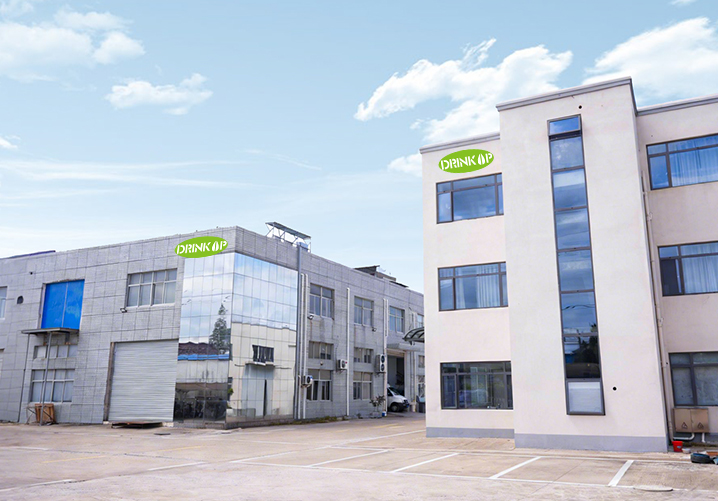
Jiangsu Angkua Environmental Protection Technology Co., Ltd. is a Water Purification System manufacturer based at 555 Yishou North Road, Nantong, Jiangsu, producing the filtration elements and purification components that sit inside household purifiers, water dispensers, whole-house lines and commercial treatment skids. This range carries 46 production items across the sediment, carbon, membrane and polishing stages of a purification train, each built to a defined housing interface and working point.
We work from the raw water profile and the appliance platform rather than from a stock size. Media grade, micron rating, end-cap geometry, gasket compound, service interval and packaging are fixed as one specification and held across repeat orders, so the article you qualify is the article you reorder. Around sixty engineers cover media development, tooling and process control inside our Nantong plant, and finished elements are run through our simulation benches before dispatch.
What We Manufacture in the Water Purification System Range
Six element families cover the stages our customers assemble into complete purification systems. Each can be supplied as a standard article or adapted through our OEM/ODM programme.
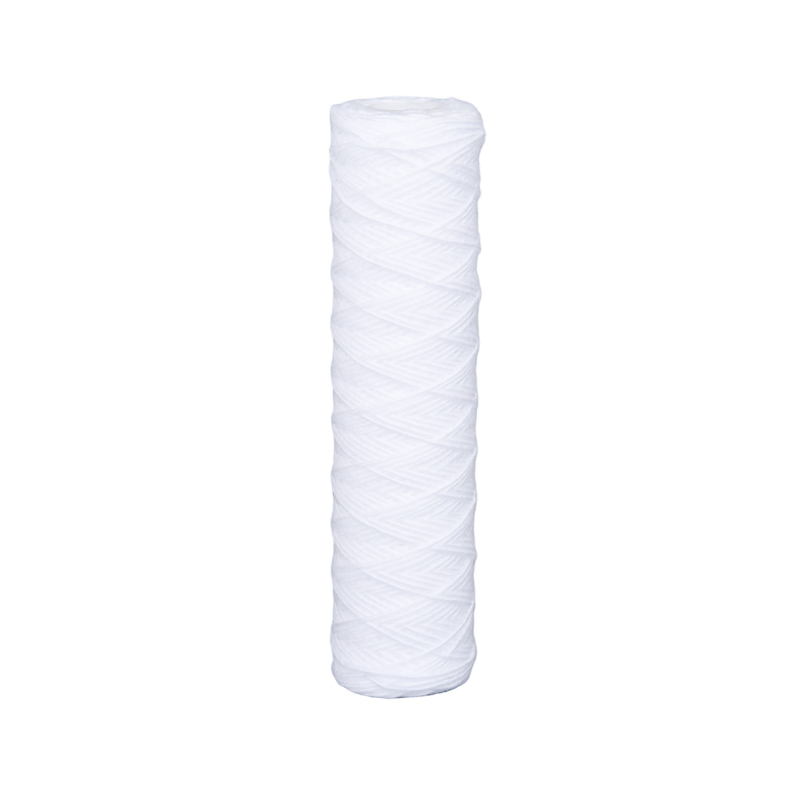
PP Sediment Elements
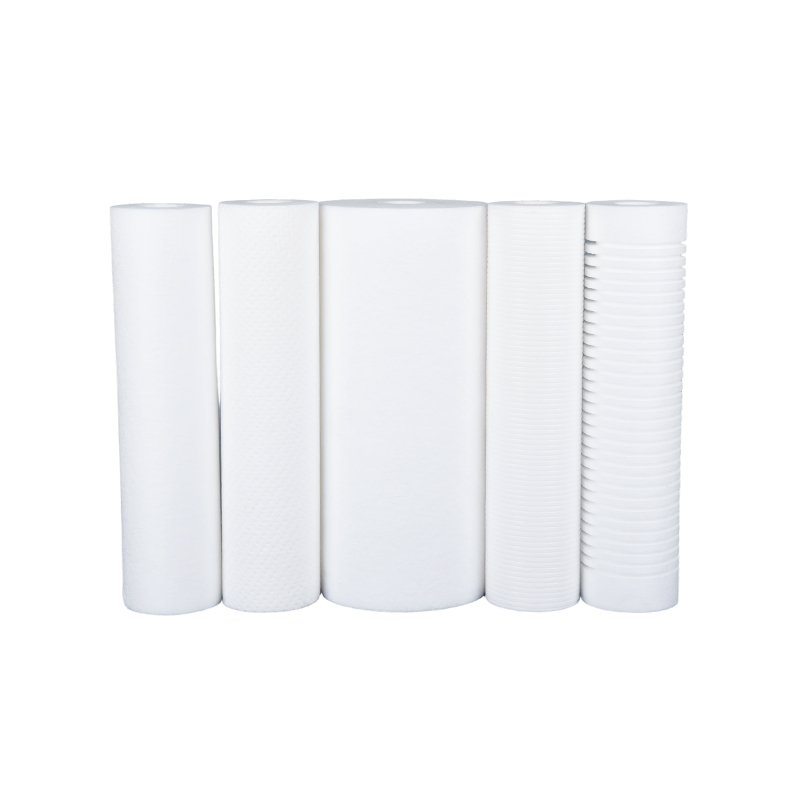
High Performance PP and high-efficiency PP melt-blown cartridges with graded fibre density, built for chemical stability and mechanical strength under high-pressure water flow. They hold back silt, rust and coarse particles ahead of carbon and membrane stages.
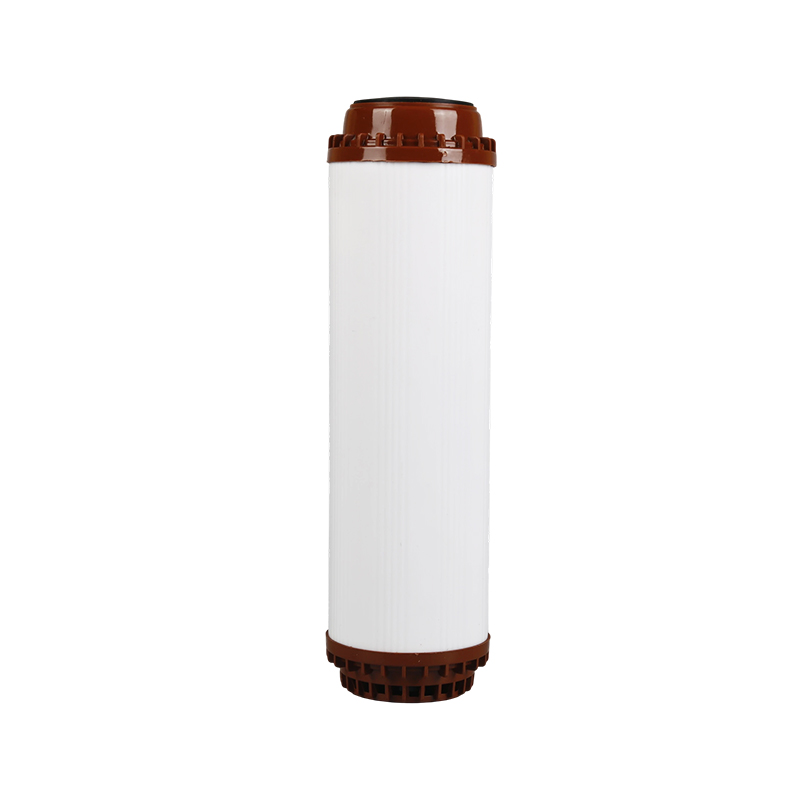
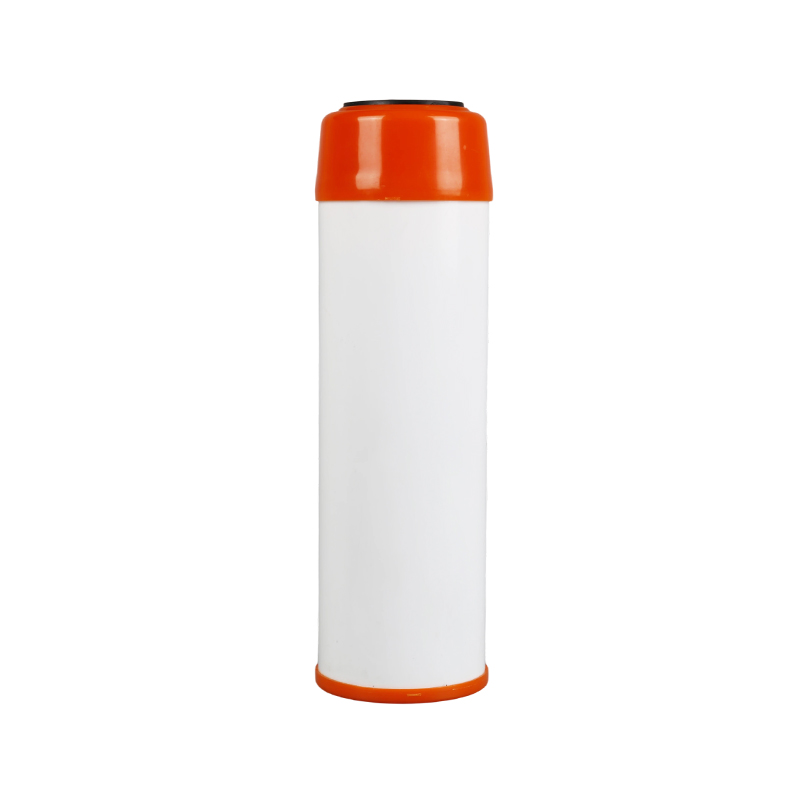
GAC Filling Filters
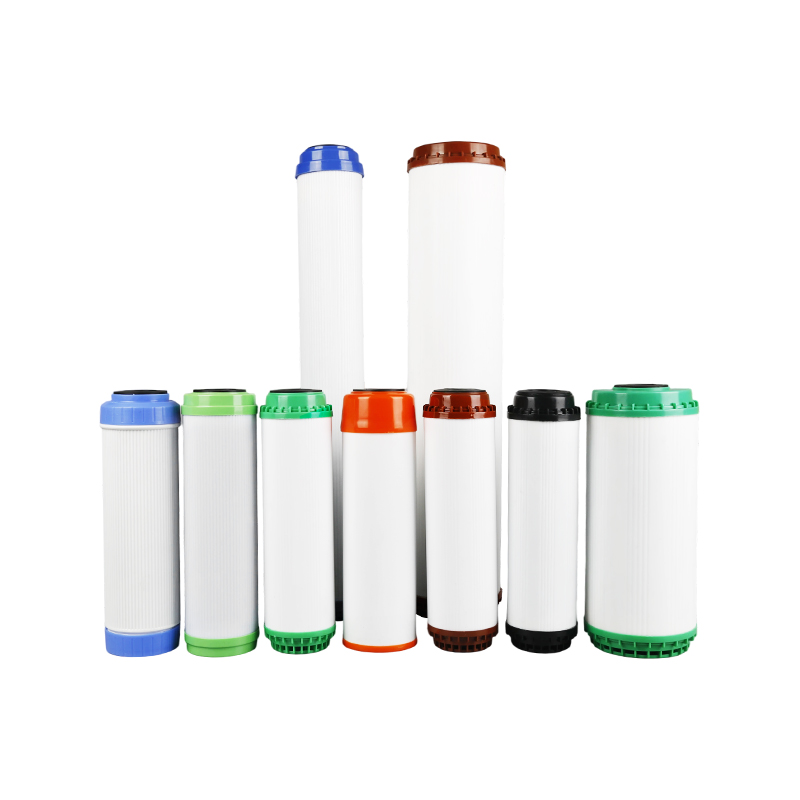
Granular activated carbon elements for residual chlorine, odour, organic pollutants and some heavy metal ions. The GAC Water Purification System Filling Filter family carries the duty where contact time and media volume matter more than compactness.
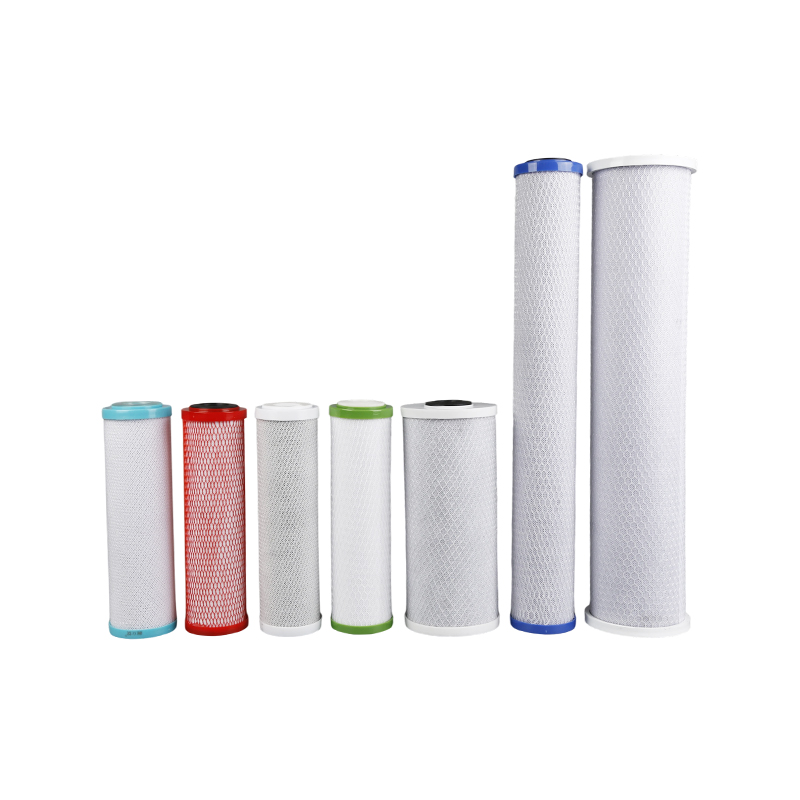
CTO Carbon Rod and Precision CTO
Compressed carbon block with tight micron control for chlorine, taste and odour compounds, offered in a low-fines profile for compact purifier platforms and multi-stage assemblies.
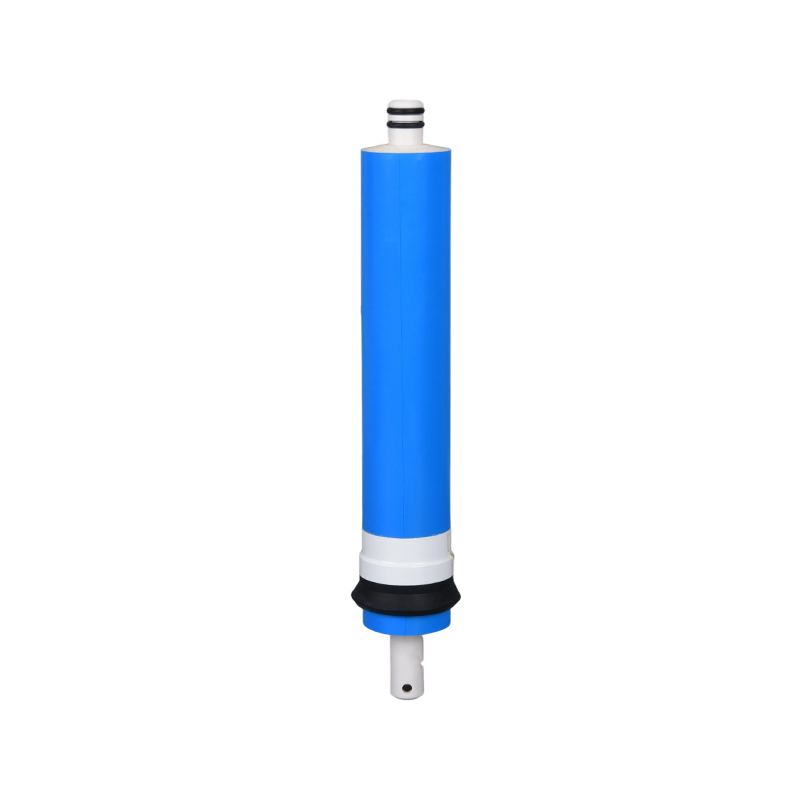
RO Membrane Elements
The high-pressure desalination stage, rejecting dissolved solids, heavy metals and organics ahead of a post-carbon polish on reverse-osmosis purifier lines.
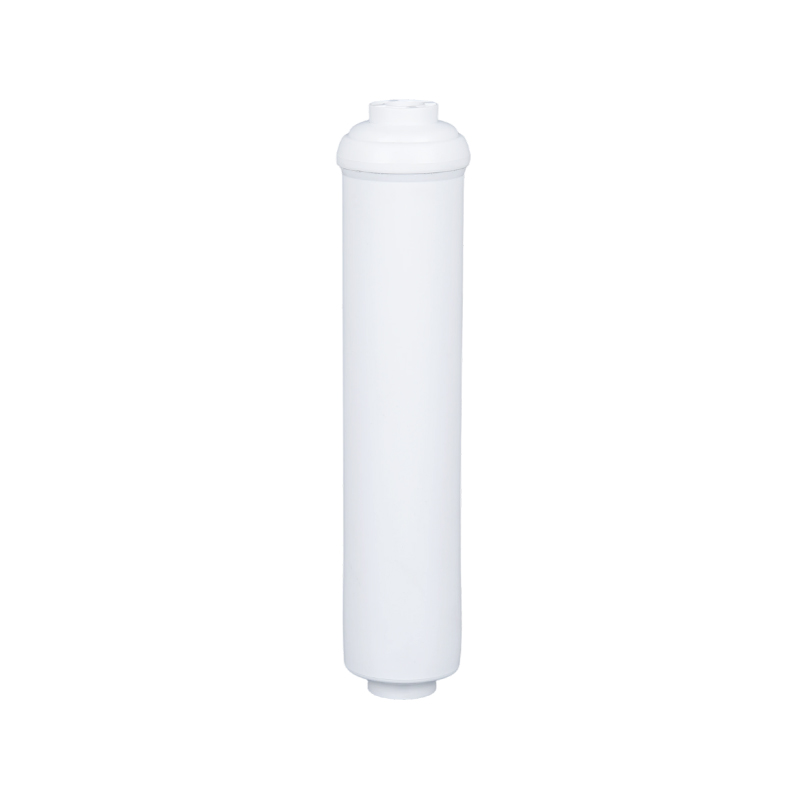
T33 Post-Carbon Elements
Standard and white in-line post-carbon cartridges that restore taste and remove carry-over from membrane and storage-tank stages before the water reaches the tap.
Whole-House, Surround and Ceramic Elements
10-inch conventional groove whole-house cartridges, surround filter elements and dome ceramic cartridges for point-of-entry, gravity-fed and specialty platforms.
Filtration Stage Map and Application Fit
The sequence below is the arrangement we quote against most often for household and light commercial purification systems. It also shows where an element substitutes for another when a platform has a tighter pressure-drop budget or a shorter service interval.
| Product family |
Stage |
Targets |
Typical fit |
| High Performance PP and high-efficiency PP |
Sediment, pre-filtration |
Suspended solids, rust, silt, coarse particles |
First cartridge in dispensers and purifiers; protection ahead of carbon and membrane stages |
| GAC filling filter |
Adsorption, pre-carbon |
Residual chlorine, odour, organics, some heavy metal ions |
Housings with volume for media depth and longer contact time |
| CTO carbon rod and precision CTO |
Adsorption, carbon block |
Chlorine, taste and odour compounds, fine particulates |
Compact platforms needing tight micron control and low fines release |
| RO membrane element |
High-pressure desalination |
Dissolved solids, heavy metals, organic compounds |
TDS reduction stage paired with correctly sized GAC or CTO pre-treatment |
| T33 and T33 white in-line |
Post-carbon polishing |
Residual taste, colour, traces from tank storage |
Final stage on reverse-osmosis and water dispenser lines |
| Whole-house grooved, surround, dome ceramic |
Point of entry, specialty |
Sediment, chlorine, odour, some microorganisms |
Whole-house housings, gravity and ceramic platforms, replacement programmes |
Materials and Construction
Material selection is where most element failures begin, so we fix the fluid-path components at quotation stage and keep them identical on repeat runs.
- Melt-blown polypropylene with graded density from outer to inner layer for sediment bodies, giving depth loading rather than surface blinding.
- Granular and sintered activated carbon fixed against iodine number, hardness and ash content so adsorption duty matches the declared rating.
- Composite membrane leaf construction on the RO element, sized against the pre-treatment upstream of that stage.
- Natural ceramic bodies for dome and gravity platforms, processed for wall thickness and a consistent surface finish.
- End caps, centre tubes, outer wrap and O-rings chosen for the fluid path, with EPDM or silicone gaskets according to your sealing requirement.
Housing Fit, Line Integration and OEM/ODM
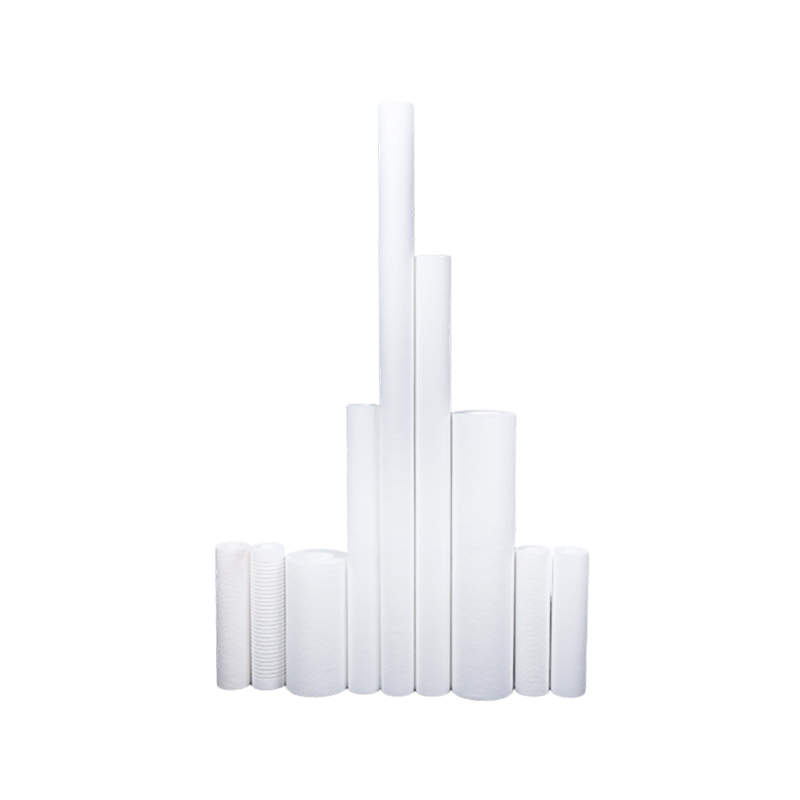
Elements are dimensioned to the housing drawing you supply. Flat gasket, 222 O-ring, 226 fin and bayonet end-cap patterns are the formats we quote against most often, in 5-inch, 10-inch and 20-inch nominal lengths, with flow direction marked on the body.
OEM and ODM work covers private-label printing, shrink-wrap or bulk carton, instruction inserts, carton marking and mixed-container loading. For platform builders we also match the element to the pump curve, the available pressure-drop budget and the planned change-out method, so service stays tool-free at the point of replacement.
Quality Control and Acceptance
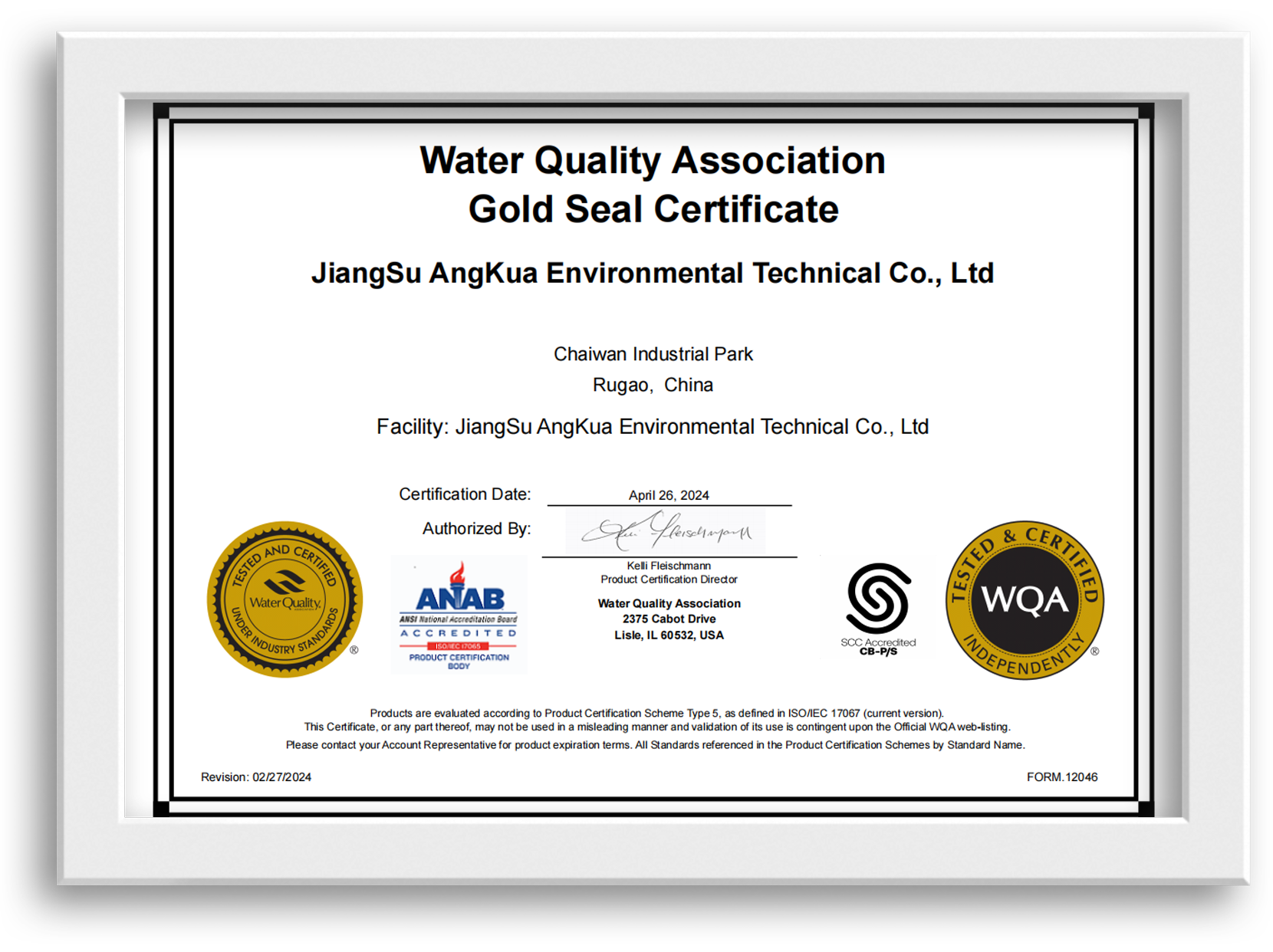
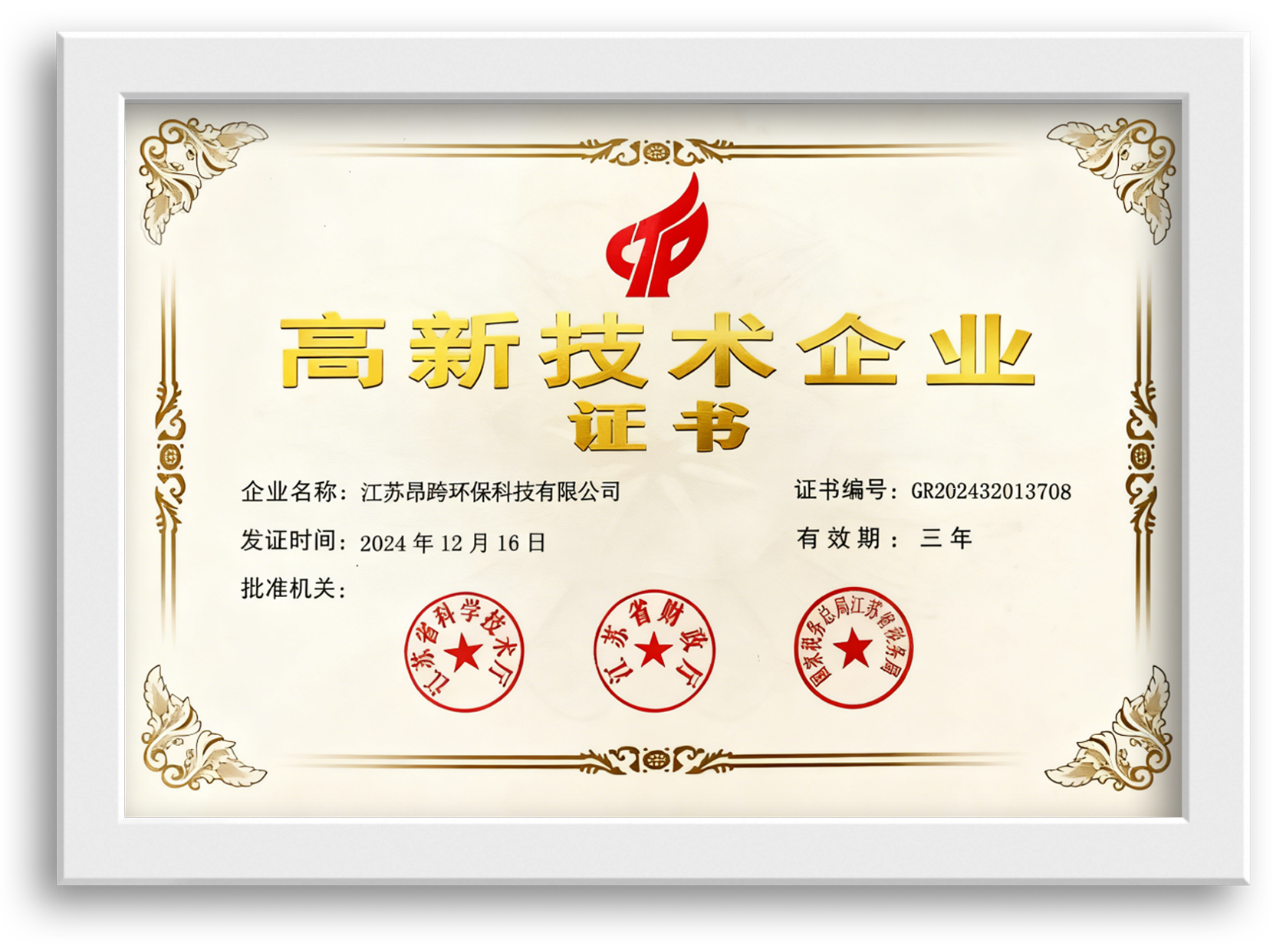
Our factory operates certified ISO9001 and ISO14001 management systems, and our purification equipment is certified to NSF/FDA, DIN8077, DIN8078, ISO15874 and GB/T18742. Control points sit at media intake, forming or carbon filling, assembly and final release.
- Media and component verification against the specification agreed at quotation.
- Dimensional and interface checks against the approved housing drawing, including O-ring seating and end-cap geometry.
- Performance runs in our environmental simulation benches on products and equipment leaving the plant.
- Batch identification carried on the element or carton so a delivered lot can be traced to its production record.
Maintenance, Spare Parts and Serviceability
In a typical train, sediment cartridges carry the shortest interval, carbon elements follow, and RO membrane elements run longest where pre-treatment is correctly sized. Replacement criteria are set by pressure drop and treated volume on your platform, so we publish the nominal rating with the article and confirm the change criteria that apply to your assembly.
- Outer dimensions held consistent with the qualified housing so change-out needs no tools or adapters.
- Gaskets, O-rings and end caps available as service components alongside complete elements.
- Part number, rating and direction marking printed for unambiguous reorder.
- Sealed composite cartridges and multi-stage assemblies supplied as complete units where the line is designed around a single locking interface: Composite Filter Element.
Information We Use to Configure Your Solution
| Input |
What we need |
How it shapes the build |
| Raw water profile |
pH, hardness, TDS, residual chlorine, turbidity, iron and manganese |
Media grade, micron rating, stage sequence and pre-treatment depth |
| Housing drawing |
Cavity length and diameter, thread or bayonet, O-ring pattern |
End-cap tooling, gasket compound and dimensional control |
| Working point |
Flow rate per element, inlet pressure, temperature, duty cycle |
Media density, carbon block compression and outer wrap specification |
| Functional target |
Sediment rating, chlorine reduction, taste or TDS expectation |
Stage selection, or a combined media build in one cartridge |
| Platform constraints |
Pressure-drop budget, service interval, change-out method |
Element design for pressure drop and tool-free service |
| Commercial scope |
Annual volume, packaging, private label, carton marking |
Tooling plan, packing method and delivery scope |
Send these inputs together with the target market and your required approval route, and we return a configured article list with the sampling scope. Where a platform also needs interchangeable refrigerator or dispenser cartridges, the wider High Performance PP Water Purification System Filter specification is a useful reference point for fibre density and pressure behaviour.
Frequently Asked Questions
How do you match an element to a housing we already have in production?
Send the housing drawing or a qualified sample. We confirm cavity length, diameter, gasket pattern and seating force, then cut or adjust tooling so the element seals without modification to your housing. The approved sample is retained as the dimensional reference for series production.
Which micron rating should our platform use?
Rating follows the smallest particle you need to hold and the pressure drop the pump can absorb. A tighter sediment rating protects the carbon and membrane stages better but loads faster, so we balance the rating against the planned service interval rather than fixing it by habit.
Can you produce under our brand and packaging?
Yes. OEM and ODM scopes cover private-label printing on the body, custom shrink-wrap or bulk carton, instruction inserts and carton marking. Tooling changes for branded end caps are quoted against the annual volume and the number of variants in the programme.
What conformity documentation applies to this range?
Our purification equipment is certified to NSF/FDA, DIN8077, DIN8078, ISO15874 and GB/T18742, and our plant operates certified ISO9001 and ISO14001 management systems. The quotation states which documents apply to the specific article, and those documents are issued with the shipment.
How does a project move from sample to series supply?
We quote a configured specification, produce samples against the agreed drawing and rating, and run performance checks on our simulation benches. Once the sample is signed off, the specification is frozen, tooling is dedicated to that part number, and repeat orders are produced against the same media, gasket and packing definitions.


 Español
 عربى
عربى русский