
Content
Home & Appliances — Water Quality
The refrigerator water filter primarily removes chlorine taste and odor, sediment, rust particles, and select contaminants such as lead and certain volatile organic compounds that a standard municipal treatment plant does not fully eliminate before water reaches your tap. Tap water is treated for safety, not for taste or for the specific plumbing conditions inside your own home, so a filter for fridge water dispenser system catches what happens after the water leaves the treatment plant — inside aging pipes, household fixtures, and the appliance itself.
Municipal water treatment is designed to meet regulatory safety thresholds, not to guarantee pleasant taste or to account for what happens between the treatment plant and your kitchen. Water travels through miles of municipal piping, then through a home's internal plumbing, before it ever reaches a refrigerator's dispenser. Along that path, it can pick up trace metals from older pipes, small amounts of sediment from pipe corrosion, and residual disinfectants that were intentionally added upstream to keep the water safe during transit.
Chlorine and chloramine are a good example. Treatment plants add these disinfectants deliberately, and they are supposed to still be present when water reaches your home — that's how they keep bacteria from growing inside the pipes. But that same chlorine is what gives tap water its faint chemical taste and smell. A refrigerator water filter is built specifically to reduce that taste and odor at the point of use, which is a job the treatment plant was never trying to do in the first place.
Regulatory safety sets a floor for drinking water — not a target for taste, clarity, or how it treats the appliance delivering it to your glass.
Most filters used in a water filter system for fridge units rely on activated carbon as the core filtration media, sometimes paired with a fine mesh or sediment layer. Activated carbon works through adsorption, meaning contaminant molecules stick to the carbon's porous surface as water passes through. This process is effective against a specific set of substances, while being largely ineffective against others like dissolved minerals or certain bacteria.
The table below breaks down common categories addressed by household refrigerator filters, and how each differs from what municipal treatment already handles.
| Contaminant Category | Addressed by Municipal Treatment | Addressed by Fridge Filter |
|---|---|---|
| Chlorine taste and odor | No (intentionally left in) | Yes |
| Sediment and rust particles | Partially | Yes |
| Trace lead from household pipes | No (source is after the plant) | Often, depending on filter grade |
| Certain volatile organic compounds | Partially | Yes, with carbon-based filters |
| Dissolved minerals (hardness) | No | No (requires separate softening) |
| Bacteria and viruses | Yes | No (not designed for microbial removal) |
This is the key distinction worth understanding: a refrigerator filter is a refinement layer, not a replacement for municipal disinfection. It cleans up what's already been made biologically safe, addressing taste, odor, and localized contamination rather than large-scale pathogen control.
Info
Activated carbon works through adsorption — contaminant molecules cling to the carbon's porous surface as water passes through, rather than being chemically neutralized.
Municipal water leaving the treatment plant is tested and generally meets safety standards, but what happens between the water main and your kitchen faucet is outside the utility's control. Homes built before the 1980s may still have lead solder joints or older fixtures that can leach small amounts of lead into standing water, particularly after water sits in the pipes overnight. A properly rated refrigerator water filter with a certified lead-reduction claim can meaningfully reduce this exposure at the point of use.
Sediment is another common household-level issue. Pipe corrosion, water main repairs, or even routine municipal maintenance work can stir up small particles of rust, sand, or mineral scale that travel through the plumbing system. These particles are usually harmless in small amounts but can cause cloudy-looking water, clog small components in an ice maker, or leave a gritty texture in drinking water. A filter's sediment stage is specifically built to trap these particles before they reach the dispenser.
Warning
Homes built before the 1980s are more likely to carry older lead solder joints, which can leach into water that sits still in the pipes overnight.
In practice, the most commonly noticed benefit of a water filter system for fridge dispensers isn't a chemical one — it's a sensory one. Chlorine and chloramine, while safe at regulated levels, produce a taste and smell that many people describe as "chemical" or "pool-like." Activated carbon filtration is highly effective at adsorbing these compounds, which is why filtered water and ice often taste noticeably cleaner even though the underlying safety profile of the water hasn't fundamentally changed.
This taste improvement also affects ice quality. Unfiltered water frozen into ice cubes can carry a faint chlorine taste directly into beverages, and any sediment present can create cloudy or oddly textured ice. Filtered water tends to freeze clearer and taste more neutral, which is one reason the difference is often more noticeable in ice than in a glass of water on its own.
Success
Filtered water tends to freeze clearer and taste more neutral — a difference most households notice first in their ice, not their glass.
It's just as important to understand the limits of a standard refrigerator water filter. Activated carbon filtration does not soften hard water, meaning dissolved calcium and magnesium pass through unaffected. It also does not remove fluoride in most cases, since fluoride is a small dissolved ion that carbon media isn't designed to capture. Bacteria and viruses are generally not addressed either, since most fridge filters use a pore size intended for particulate and chemical adsorption rather than microbial filtration.
This matters for anyone assuming a fridge filter provides comprehensive purification. It doesn't. It's a targeted, point-of-use refinement step layered on top of water that has already been treated to safe drinking standards by the municipal supplier. Understanding this distinction helps set realistic expectations: the filter improves specific qualities of water that are noticeable in daily use, rather than performing a full purification process from scratch.
Danger
Do not rely on a standard fridge filter for microbial safety. It is not built to remove bacteria or viruses — that responsibility belongs to municipal treatment.
A common question follows naturally from all of this: if tap water is already certified safe, why bother filtering it again at the refrigerator? The answer comes down to the gap between "safe" and "ideal." Regulatory safety standards set a floor, not a target for taste, clarity, or long-term appliance performance. A filter for fridge water dispenser hardware exists partly to protect the appliance itself — unfiltered sediment and mineral buildup can gradually clog small water lines, valves, and the tubing feeding the ice maker, leading to reduced flow rate or repair costs over time.
Beyond appliance protection, the filter addresses the practical reality that municipal water quality can vary by neighborhood, season, and even by which section of pipe your home draws from. A household several blocks from a water treatment plant may experience different chlorine levels or sediment exposure than a household closer to the source, simply due to pipe age and distance traveled. The filter normalizes water quality at the point where it's actually consumed, regardless of these upstream variables.
Not every household experiences the same water quality challenges, so it helps to evaluate a few practical indicators before deciding how much value a filter adds in your specific situation.
For most households on a standard municipal supply, the water arriving at the tap is already safe by regulatory standards. The filter's role is to refine that water further — improving taste, reducing sediment, and offering a measure of protection against localized plumbing contaminants — rather than performing the core safety function that treatment plants are already responsible for.
A filter only performs the functions described above while its media is still active. Activated carbon has a finite adsorption capacity, and once it's saturated, contaminants can begin passing through largely unfiltered, sometimes even releasing previously trapped particles back into the water stream. This is why manufacturers typically recommend replacement on a set schedule, most commonly every six months, though usage volume plays a significant role in how quickly that capacity is used up.
A household that dispenses large volumes of ice and water daily will exhaust a filter's capacity faster than a household using the dispenser occasionally. Tracking either a calendar reminder or the manufacturer's built-in usage indicator, where available, is the most reliable way to know when the filter has reached the end of its effective lifespan rather than relying on taste alone, since reduced performance isn't always immediately noticeable to the palate.
The filter's job isn't to make unsafe water safe — it's to make already-safe water taste, look, and perform the way it should.
In short: municipal treatment handles the safety baseline, while a refrigerator water filter handles everything that happens after — the taste, the clarity, the appliance protection, and the local plumbing conditions no treatment plant can account for. Understanding that division makes it much easier to decide how much the filter is really worth to your household, and how closely you should be tracking its replacement schedule.
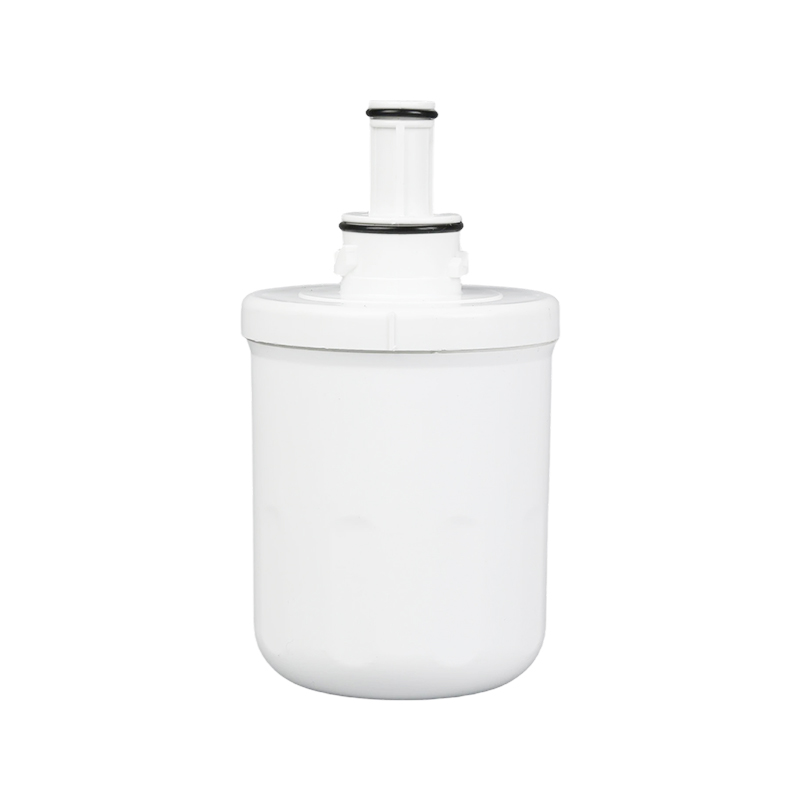
Samsung RF-01 refrigerator filter, model DA29-00003G, is a high-quality filter designed for Samsung refrigerators. This product uses advanced water filtration technology to effectively remove impuriti...
See Details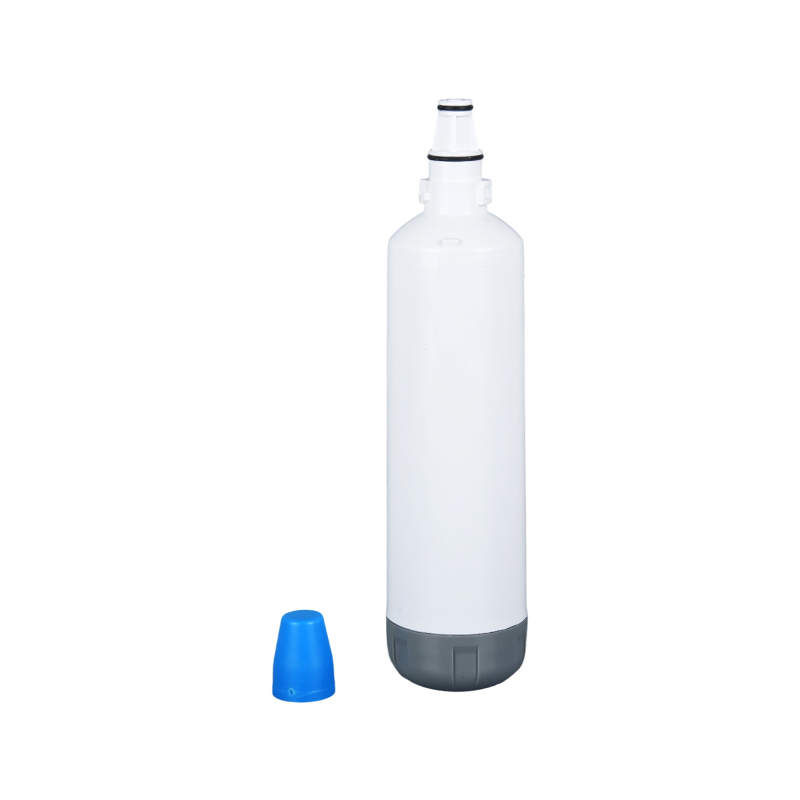
RF-53 refrigerator water filter, with its excellent performance and compatibility, has become a trusted choice for many families. RF-53 refrigerator water filter is designed to improve the water quali...
See Details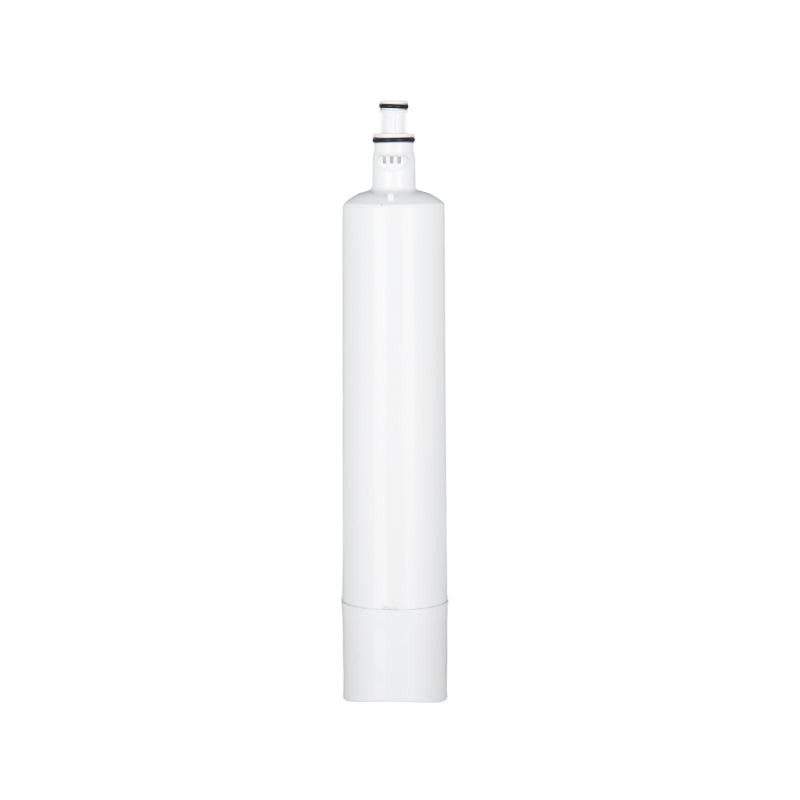
RF-26 refrigerator filter, compatible with GE RPWF series refrigerators, can be easily replaced without tools, and is easy and quick to install. It uses advanced multi-stage filtration technology to e...
See Details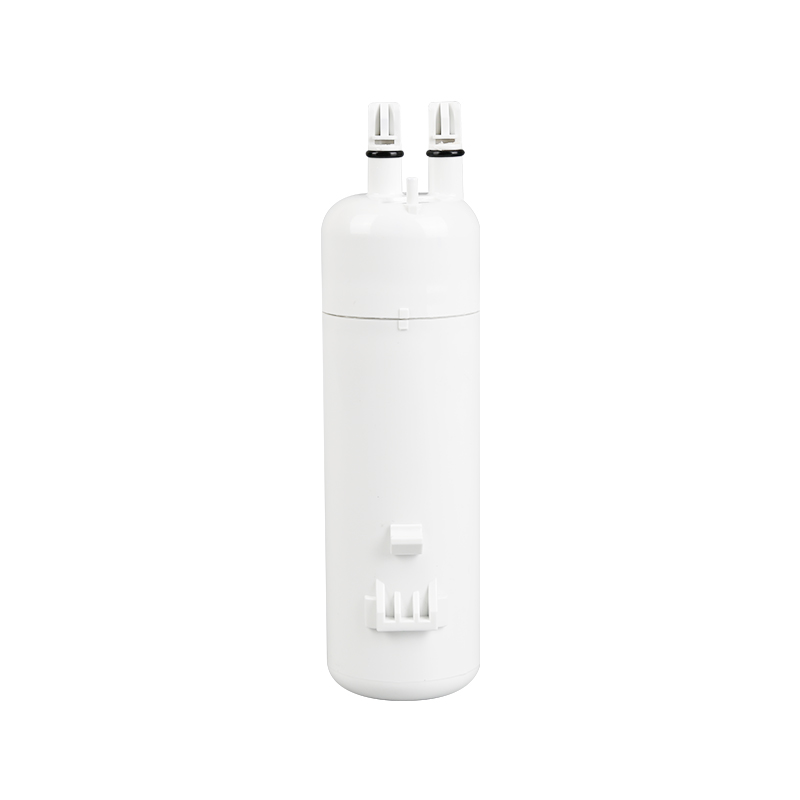
RF-27, as a water filter designed for high-end refrigerators, is compatible with refrigerator models such as WHIRLPOOL W10295370A and KENMORE 46-9930. With its excellent filtering performance and conv...
See Details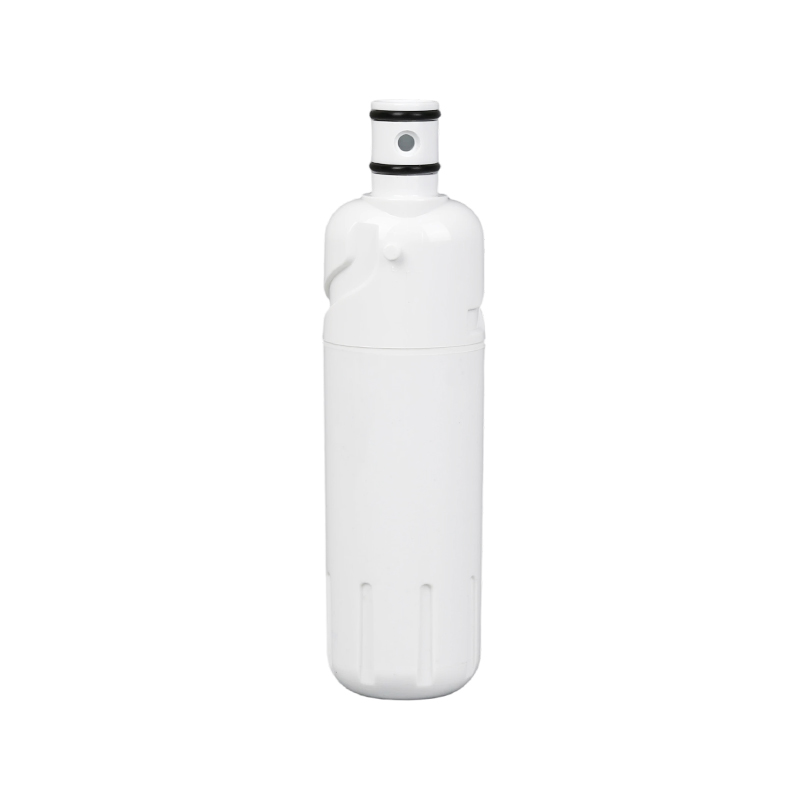
RF-28 refrigerator filter is specially designed for the pursuit of high-quality life. It is compatible with the FILTER2 series and models W10413645A and EDR2RXD1 of well-known brands such as WHIRLPOOL...
See Details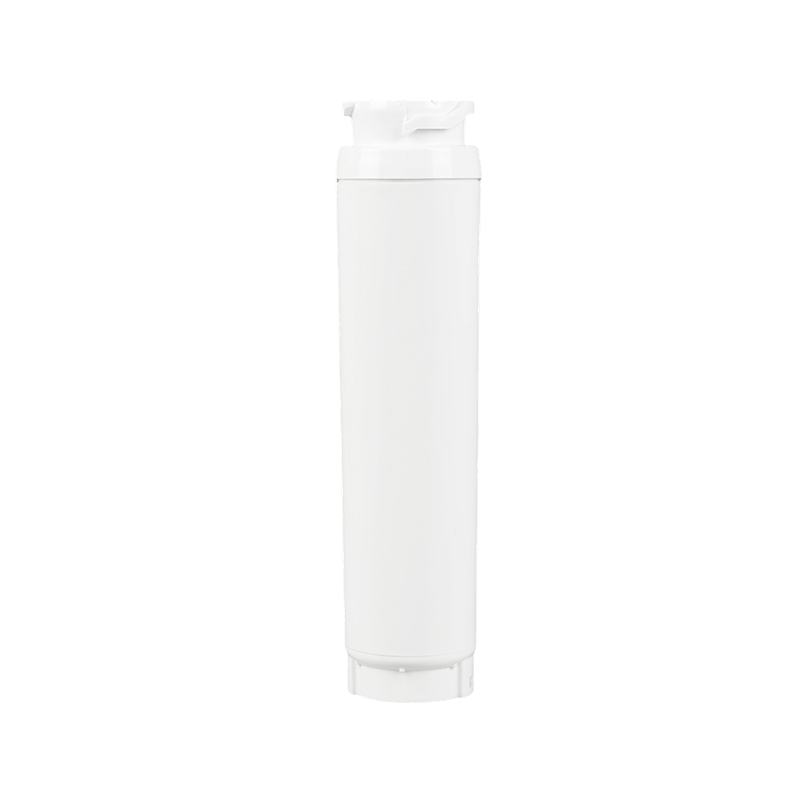
RF-29 refrigerator filter is specially designed for the pursuit of high-quality life and drinking water safety. Compatible with BOSCH 9000194412 model, it uses advanced filtering technology to effecti...
See Details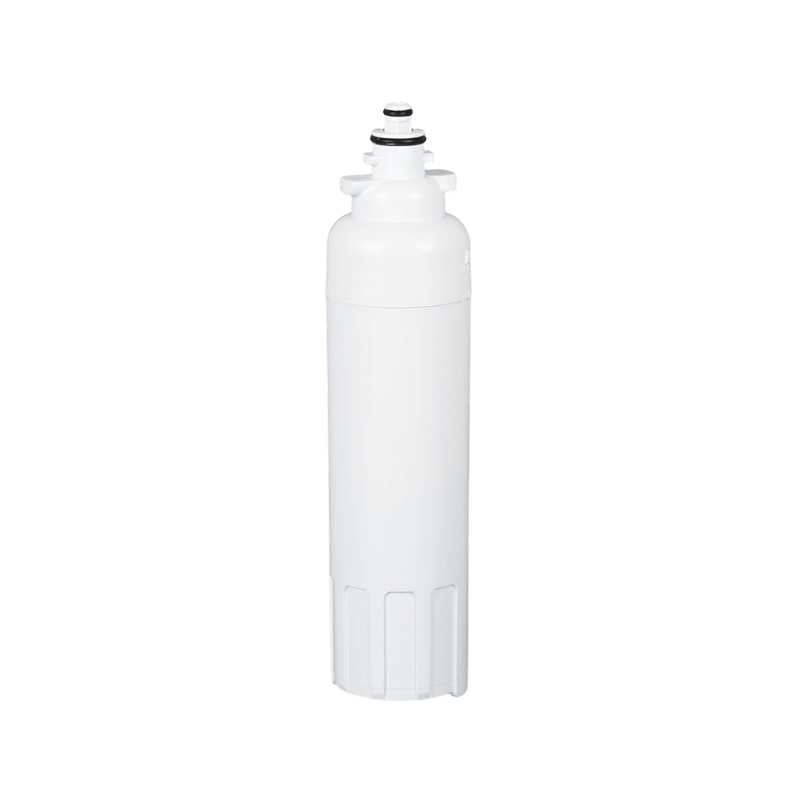
The RF-37 refrigerator-specific water filter is compatible with the LG LT800P model design and is designed to bring a fresh and pure drinking water experience to your family. Using advanced multi-stag...
See Details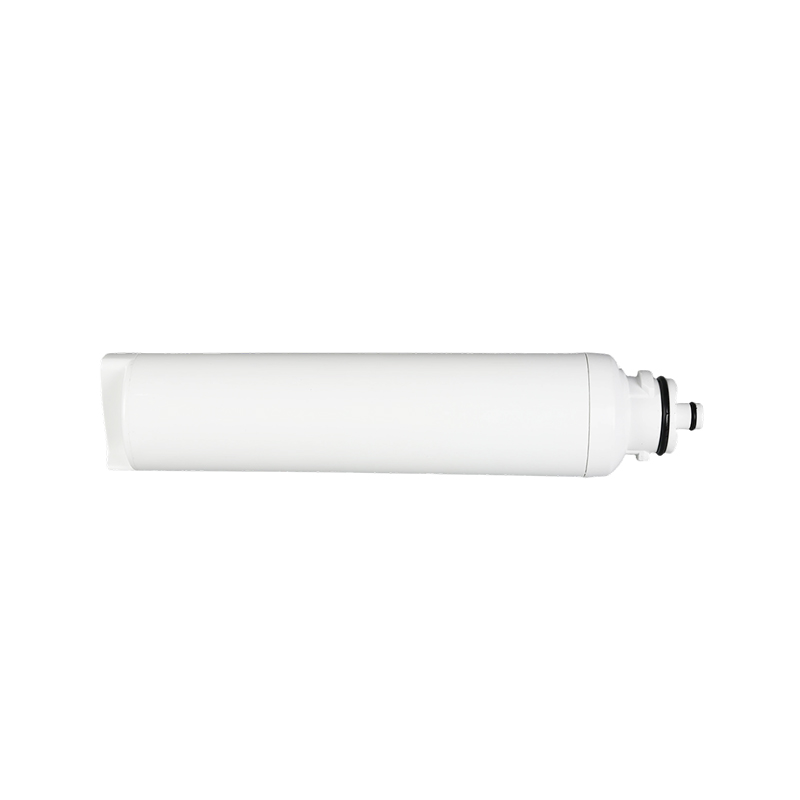
The RF-38 refrigerator filter is specially designed for LG series refrigerators, especially for the LG M7251253FR06 model. It is an ideal choice for your family's healthy drinking water life. Using ad...
See Details
CONTACT us
*Your email is safe with us, we don't spam.

 The company's main products include
 Contact Info
Phone: +86-13962755959 Tel: +86-513-87206118 E-mail: AK@chinnovel.com Add: 555 Yishou North Road, Chengbei Street, Nantong, Jiangsu

 Español
 عربى
عربى русский


