
Content
Pool and spa filter cartridges have a way of making maintenance feel like a choice between two extremes. Either you rinse the cartridge forever, or you replace it the moment the pressure gauge moves. In practice, the right answer sits between those habits. Cleaning keeps a healthy cartridge in service; replacing restores performance when the filter media has reached the end of its useful life. The trick is knowing which situation you are in.
After years of manufacturing water filtration products, we have learned that cartridge maintenance is less about a rigid schedule and more about reading the system. Water clarity, flow, pressure, and the condition of the pleats tell you most of what you need to know. The guide below explains how to judge those signs without turning filter care into a guessing game.
A pool or spa cartridge filter is a pleated, replaceable element. Water passes through the pleats, and the tiny openings in the media catch hair, lint, pollen, sunscreen, body oils, and fine debris. The pleats create a large surface area, which is why a cartridge can hold a surprising amount of material before flow drops. But that surface is not unlimited. As the media loads up, the pump has to work harder, pressure rises, and returns or jets may weaken.
The cartridge is a consumable part, not a permanent one. Cleaning removes what the media can release; replacement is needed when the media itself can no longer perform.
It helps to think of the media as a sponge with a fixed number of pores. Some of what it catches, such as leaves, grit and lint, rinses away easily. Other material, such as dissolved oils, mineral scale and fine organic film, works its way into the fibres and only partly releases. Each cleaning removes most of the first kind and some of the second, which is why a cartridge that has been cleaned many times never quite returns to its day-one flow. That gradual loss is normal, and it is the reason a maintenance routine should track the trend, not just the latest reading.
The most useful number in cartridge maintenance is your system’s clean operating pressure. After a new cartridge is installed, or after a thorough cleaning, note the pressure gauge reading with the pump running normally. That is your baseline. From there, a rise of roughly 8 to 10 psi is a common signal that the cartridge needs attention, though the exact number depends on the equipment and the manufacturer’s guidance.
Flow at the returns or spa jets matters too. If the water still looks clear but the flow has softened, check the cartridge before adding chemicals or assuming the pump is at fault. Also look at the cartridge itself. A filter that is coated in loose debris but still has firm, straight pleats is usually a good candidate for cleaning. A filter with crushed pleats, frayed media, a loose end cap, or a persistent oily film may be telling you something different.
Tape a note to the equipment pad or save it on your phone: date, clean pressure in psi, and the cartridge model. Six months later you will not remember whether the clean reading was 10 psi or 14 psi, and that single number is what makes every later decision easier.
No single reading tells the whole story. Experienced pool technicians look at several signals together, because each one can mislead on its own. A high gauge reading may come from a closed valve, and cloudy water may come from chemistry rather than the filter. Use the five signals below as a quick checklist before you decide to clean, replace or look elsewhere in the system.
Compare the gauge with your written clean baseline. A steady climb across several weeks points to loading; a sudden jump can point to a blockage somewhere else.
Weak returns, soft spa jets or slow skimmer draw suggest restricted flow. Check the filter before assuming the pump is failing.
Haze that keeps coming back despite balanced chemistry often means the media is no longer trapping fine particles well.
Firm, evenly spaced pleats are a good sign. Flattened, frayed or split pleats mean the cartridge should be retired.
If a rinse restores most of the flow, the cartridge is healthy. If the gain shrinks with every clean, the media is wearing out.
Count months in service and bather load. A busy household shortens life, and a long idle season does not stop the clock on aged media.
When three or more signals point the same way, the decision is usually easy. When they disagree, for example high pressure but clear water and a pristine cartridge, look for a different cause: a partly closed valve, a clogged pump basket, a full skimmer, or a dirty impeller can all produce the same gauge reading.
Cleaning is the right first step when the cartridge is structurally sound and the problem is accumulated debris. Most residential pool cartridges benefit from a rinse every two to four weeks during active use, with a deeper clean when oils or scale begin to build up. Spa cartridges often need more frequent attention because the water is warmer, the filter is smaller, and body oils and lotions are more concentrated. A weekly rinse and a deeper clean every few weeks is a reasonable starting point for a heavily used spa, but always adjust to what the pressure gauge and water quality show.
Here is a cleaning routine that protects the media rather than damaging it:
A rinse removes loose debris, but it does very little about oils and minerals. When the cartridge looks clean yet the pressure stays high, the culprit is usually one of two things, and each one responds to a different product. Using the wrong one wastes time and can shorten the life of the media.
Sunscreen, body oils and cosmetics leave a slippery coating that holds fine dirt. A cartridge cleaner formulated to cut grease and organic film, used at the stated dilution and soak time, is the usual choice. A spa cartridge that feels slick between your fingers is a typical case.
In hard-water areas, calcium can settle into the pleats and leave a stiff, chalky feel. Cleaners made for mineral scale are designed for this job. Use only products approved for cartridge media, and follow the label on contact time.
If one careful deep clean does not bring the pressure back close to your baseline, repeating it rarely helps. At that point the media is holding material it cannot release, and the efficient move is replacement.
Replacement becomes the better choice when cleaning no longer restores the baseline. If pressure stays high after a proper deep clean, if flow remains weak, or if the water will not stay clear, the media may be packed with material that cannot be removed. Physical damage is an even clearer signal. Torn pleats, collapsed sections, a split core, or an end cap that no longer seals will let debris bypass the filter. Oily spa cartridges can also reach a point where the media stays slick and holds onto lotions even after soaking.
Age is a useful guide, not a strict rule. Many pool cartridges last about one to two years, while spa cartridges may need replacement sooner in heavy-use households. A lightly used pool may stretch beyond that range, but a cartridge should not be kept indefinitely just because it still fits in the housing. If you are cleaning more often than usual and still seeing pressure creep, the cost of a replacement is often smaller than the cost of extra chemicals, pump strain, and cloudy water.
Use this comparison as a quick reference when you are standing in front of the filter housing with a hose in one hand and a replacement cartridge in the other.
| What you notice | Try cleaning first | Replace instead |
|---|---|---|
| Pressure rises 8 to 10 psi above the clean baseline, water still clear | Clean, rinse, and recheck | If deep cleaning does not restore the baseline |
| Pleats are intact and end caps are sealed | Clean and inspect | No |
| Pleats are torn, crushed, or separating | Do not bother | Yes |
| Oily film or scale remains after proper soaking | Try one careful deep clean | If flow or clarity stays poor |
| Cartridge is one to two years old and cleans less effectively | Clean more often | Plan replacement |
| Spa is used daily with oils and lotions | Rinse weekly and deep clean often | Replace at first permanent decline |
Numbers on a table are easy to forget, so it helps to picture how pressure behaves over time. A cartridge in normal service does not climb in a straight line. It rises as debris collects, drops after each cleaning, and then starts from a slightly higher floor than before. The chart below shows that pattern for a typical residential pool over twelve weeks. It is an illustrative model, not measured data, and your own numbers will differ with equipment, bather load and water conditions.
Notice two things. First, each cleaning pulls the pressure down, but the recovery gets smaller: the floor after the third clean sits well above the original baseline. Second, the interval between cleanings shrinks as the media ages. When the gap between cleanings gets short and the pressure floor keeps rising, you are watching a cartridge approach the end of its life.
Spa cartridges deserve a slightly different rhythm. Hot water and agitation help body oils, lotions, and hair products cling to the pleats. The cartridge may look clean at a glance while a slippery film is still coating the media. Rinse spa cartridges weekly during regular use, and deep clean them with a product designed for spa filter media when the film persists. Keep a spare cartridge on hand so one can dry fully while the other is in service. If the spa is used daily by several people, expect to replace the cartridge sooner than a lightly used pool filter would require.
A simple calendar turns good intentions into habits. The rhythm below is a starting point for a typical residential pool and spa; shorten the intervals if the system is heavily used, shaded by trees, or exposed to a lot of dust and pollen.
Read the gauge, empty skimmer and pump baskets, and rinse a spa cartridge. Note any change from the baseline.
Remove and rinse the pool cartridge from the top down. Inspect pleats, end caps and the core.
Deep clean with a cartridge cleaner matched to oils or scale, then dry the cartridge fully before reuse.
Check the age of the cartridge, compare cleaning results with last season and order a spare if needed.
When the season ends, clean the cartridge thoroughly, let it dry, and store it in a clean, dry place away from chemicals and direct sun. A cartridge left damp in a sealed housing over winter can develop odour and organic growth, which undoes the work of the last cleaning.
Service life depends more on how the system is used than on the calendar. The ranges below are common rules of thumb for residential equipment. They are not guarantees, and the maker of your cartridge may recommend something different, but they show how bather load and cleaning habits move the replacement date.
Two cartridges used in rotation often outlast a single cartridge used continuously, because each one gets a full drying period and a gentler cleaning schedule. The extra cartridge costs money up front, yet it usually pays back through fewer emergency replacements and less downtime when the pressure suddenly climbs.
Sometimes the cartridge looks fine and the symptoms persist. Before replacing anything, run through the common look-alike problems. They are quick to check and they save money.
| Symptom | Possible cause | First check |
|---|---|---|
| High pressure, weak returns, clean cartridge | Partly closed valve or blocked return line | Valve positions and return fittings |
| Low pressure, weak flow | Full skimmer or pump basket, air leak or clogged impeller | Baskets, lid seal and pump inlet |
| Cloudy water with normal pressure | Chemistry out of balance or damaged cartridge | Test sanitiser and pH, then inspect pleats |
| Debris returning to the pool | Cracked core, loose end cap or bypass | Remove cartridge and check the seals |
| Pressure climbs again within days of cleaning | Media saturated with oils or scale | One careful deep clean, then plan replacement |
| Foam or odour from a spa after cleaning | Cleaner residue left in the pleats | Rinse again until runoff is clear |
A cartridge only catches what the water carries into it, so chemistry has a direct effect on how often you clean. Unbalanced water produces more fine particles, more organic film and more scale, and all three load the media faster. Keeping sanitiser, pH and alkalinity in the ranges recommended for your equipment is one of the cheapest ways to extend cartridge life.
Algae and bacterial growth produce slimy films that clog pleats quickly. If the cartridge feels slippery or smells unpleasant, review the sanitiser level and the shock routine before blaming the filter.
Calcium tends to come out of solution as pH and temperature rise, which is why spas are prone to scale. Scale stiffens the pleats and reduces flow even when the cartridge looks clean.
After a heavy bather load, a storm, or a shock treatment, expect the cartridge to load faster than usual. Check the gauge a day or two later and rinse if the pressure has moved. Likewise, after filling a pool or spa from a new water source, watch the first week closely, because fine particles in the fill water can cloud the pleats before the chemistry settles.
When replacement is the answer, the new cartridge has to match the filter housing, not just the brand name. A cartridge that is slightly too short or too narrow will let water bypass the media, and one that is too long may not close the housing properly. Take the old cartridge with you or record its details before you buy.
A larger filtration area generally gives longer intervals between cleanings, but only if the cartridge fits the housing exactly. When in doubt, compare the old cartridge side by side with the replacement before opening the pack, and keep the packaging until you have confirmed the fit.
Look at the build quality as well. Evenly spaced, firmly bonded pleats, a rigid core and securely fixed end caps all point to a cartridge that will hold its shape through repeated cleanings. Flimsy end caps and uneven pleat spacing are early warning signs.
Cartridge life is not only about cleaning. A skimmer basket that is emptied regularly, a hair catcher, and good water chemistry all reduce the load on the filter. Bathers can help by rinsing off before entering a spa, which cuts down on oils and lotions reaching the water. Avoid running the pump with a damaged cartridge, and never use a pressure washer on pleated media. Rotating two cartridges is a simple habit that gives each one time to dry and makes maintenance less urgent.
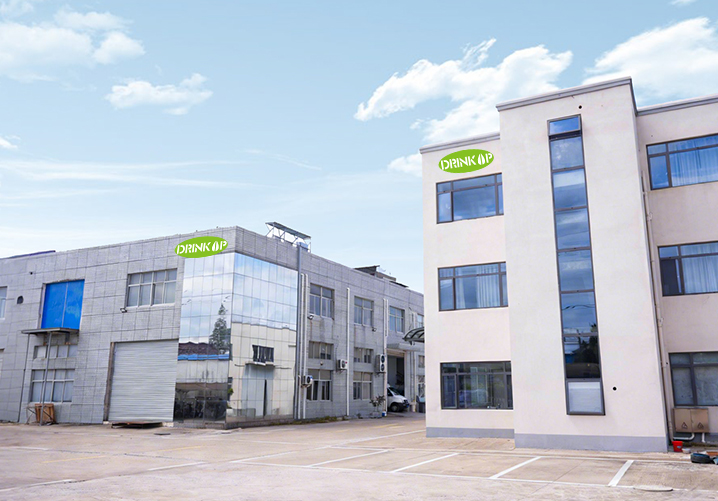
If you are planning a replacement cycle or comparing cartridge options for a pool or spa, our pool and spa filter range is a practical place to review the choices. We have spent years manufacturing filtration products, and we tend to think of a cartridge as part of a maintenance system rather than a part number alone.
 Pool and Spa Filter CartridgesReview pleated pool and spa cartridge options with OEM-matched dimensions, media grades and connection types for replacement or maintenance planning.View Product →
A mild cartridge cleaner is safer than dish soap, bleach, or acidic cleaners, which can damage pleats or leave residue. Use only products intended for filter cartridges and rinse thoroughly.
There is no single calendar answer. Replace when a deep clean no longer restores flow, when the pleats are damaged, or when oils remain trapped in the media. In a busy spa, that may be sooner than the one-to-two-year range often quoted for pool cartridges.
Drying helps prevent trapped moisture and makes inspection easier, but follow the cartridge and system maker’s instructions. A shaded, ventilated drying spot is better than direct sun.
It is best not to. Without the cartridge, debris can travel into the pump, heater and plumbing, and some systems are not designed to operate that way. Keep a spare so a cleaning day never forces a shortcut.
The media is probably holding oils or scale that a rinse cannot remove, or the cartridge is near the end of its life. Try one careful deep clean with a suitable product, and if the pressure still returns quickly, replace the cartridge.
No. Cloudiness often comes from chemistry, a heavy bather load or recent rain. Test the water first, then check the cartridge for damage or heavy loading if the cloudiness continues.
Yes, in most cases. A single tear gives debris a direct path through the media, and the damage tends to spread under flow. A damaged cartridge is not worth the risk to the pump and heater.
If a thorough clean restores pressure, flow, and water clarity, and the pleats are still firm and intact, keep using the cartridge. If cleaning no longer brings the system back to its baseline, or if the media is damaged, replace it. Keep a spare on hand when you can, read the pressure gauge, and let the cartridge tell you what it needs.
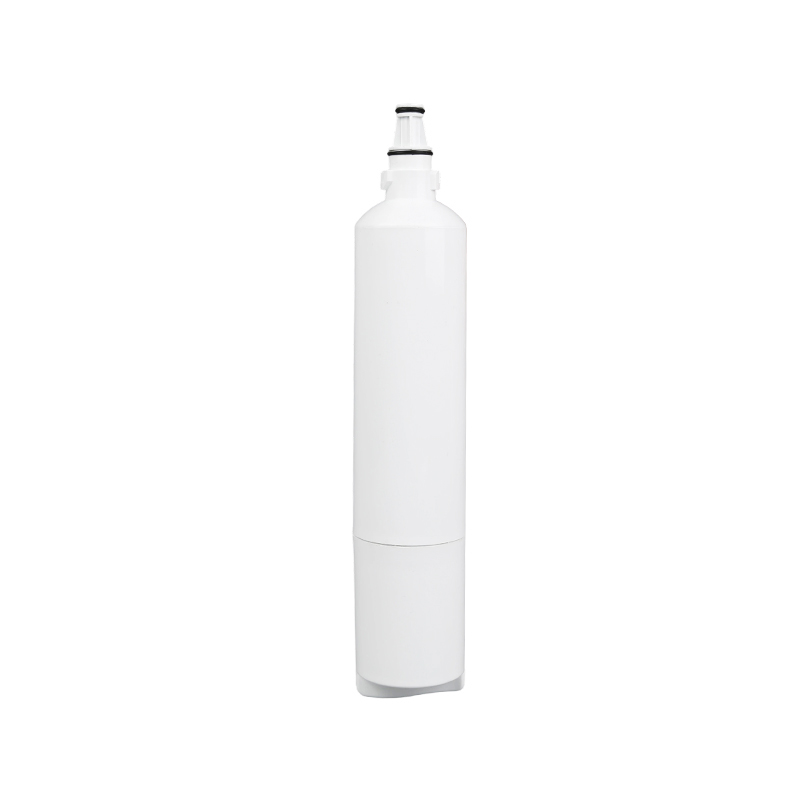
The RF-10 refrigerator-specific water filter is compatible with the LG LT600P model design and is designed to bring a fresh and pure drinking water experience to your family. Using advanced multi-stag...
See Details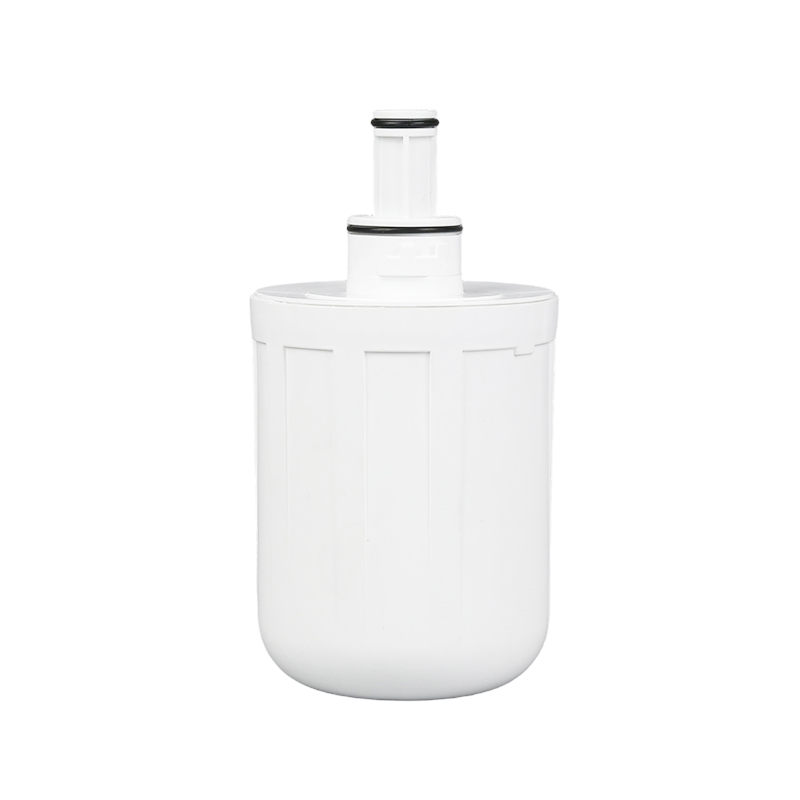
The RF-02 series refrigerator filter is specially tailored for the SAMSUNG DA29-00003B refrigerator, aiming to protect your family's drinking water health. Using high-efficiency filtration technology,...
See Details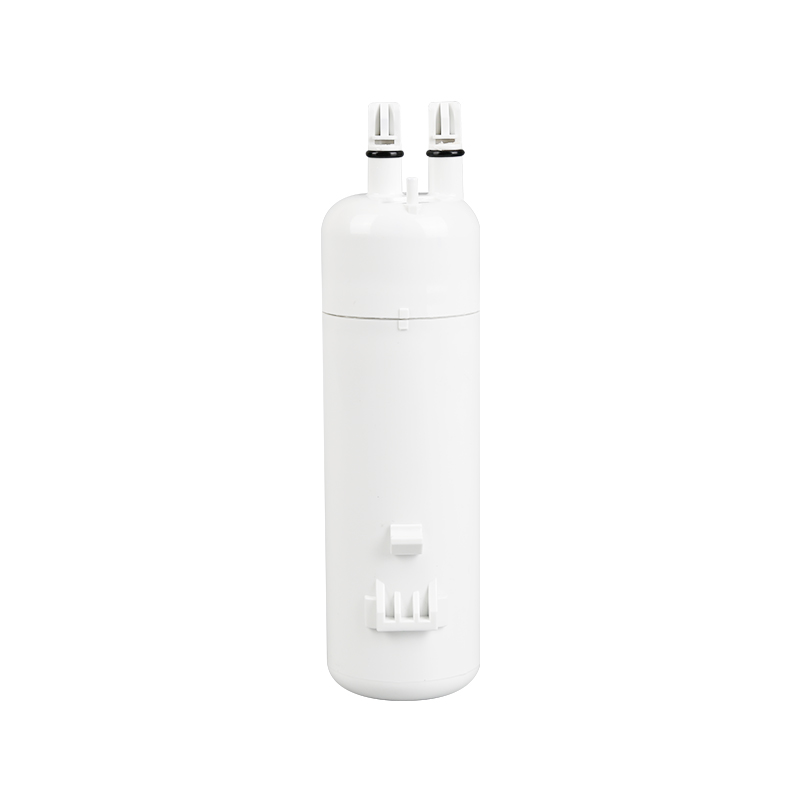
RF-27, as a water filter designed for high-end refrigerators, is compatible with refrigerator models such as WHIRLPOOL W10295370A and KENMORE 46-9930. With its excellent filtering performance and conv...
See Details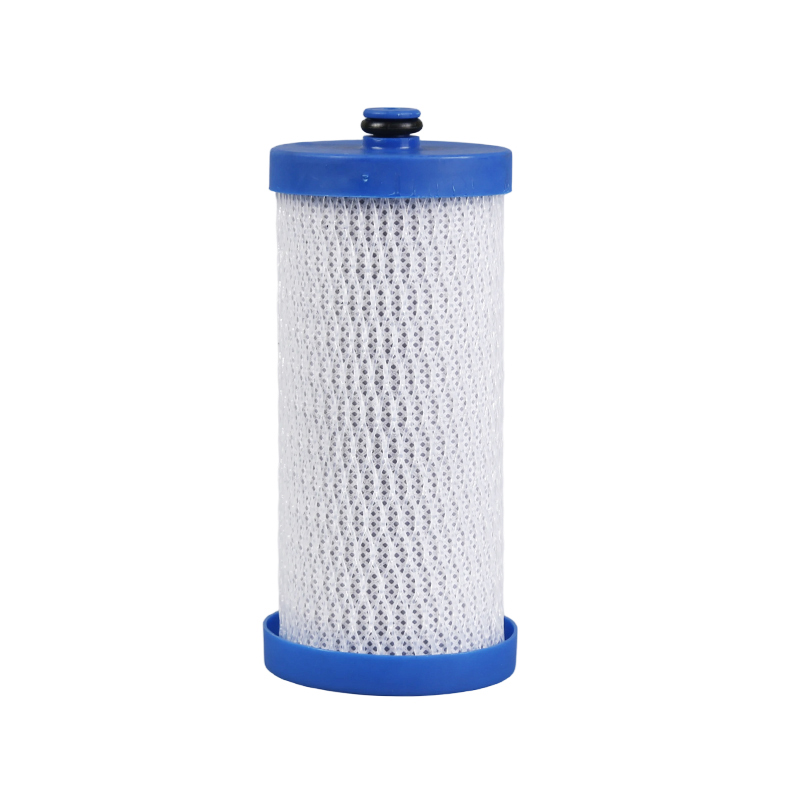
The RF-15 refrigerator water filter is a refrigerator water purification accessory designed for modern families. It uses advanced filtering technology to effectively remove impurities, odors and harmf...
See Details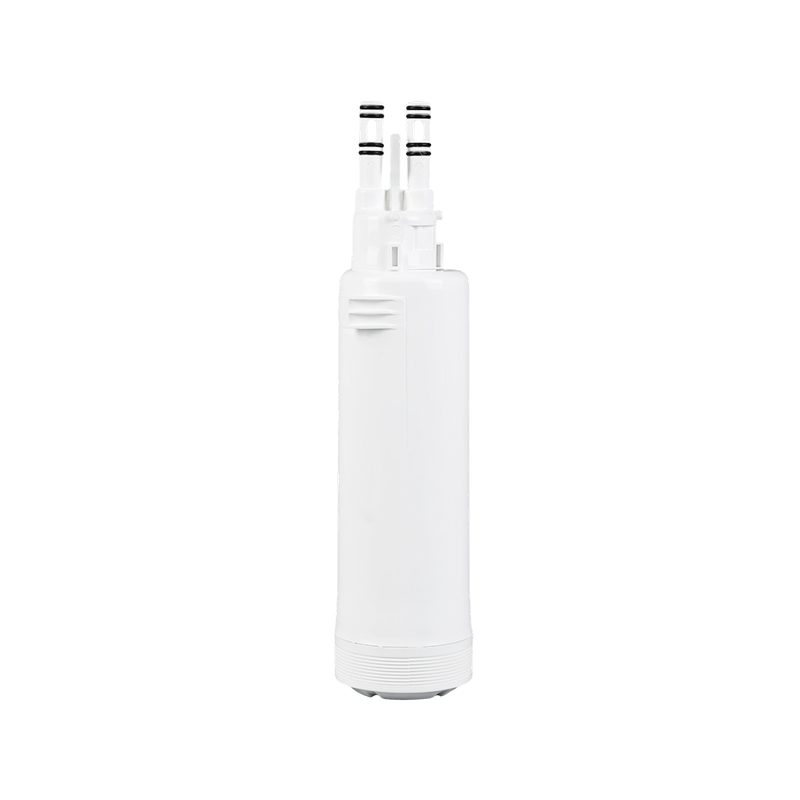
RF-52 refrigerator water filter is specially designed for the pursuit of high-quality drinking water life. This product adopts advanced multi-layer filtration technology to efficiently remove impuriti...
See Details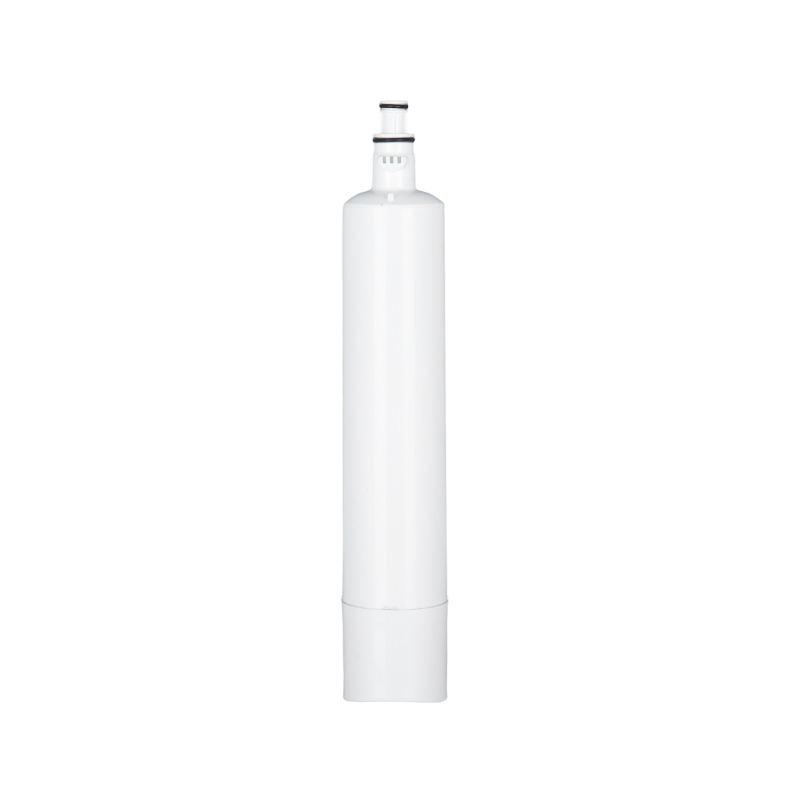
RF-26 refrigerator filter, compatible with GE RPWF series refrigerators, can be easily replaced without tools, and is easy and quick to install. It uses advanced multi-stage filtration technology to e...
See Details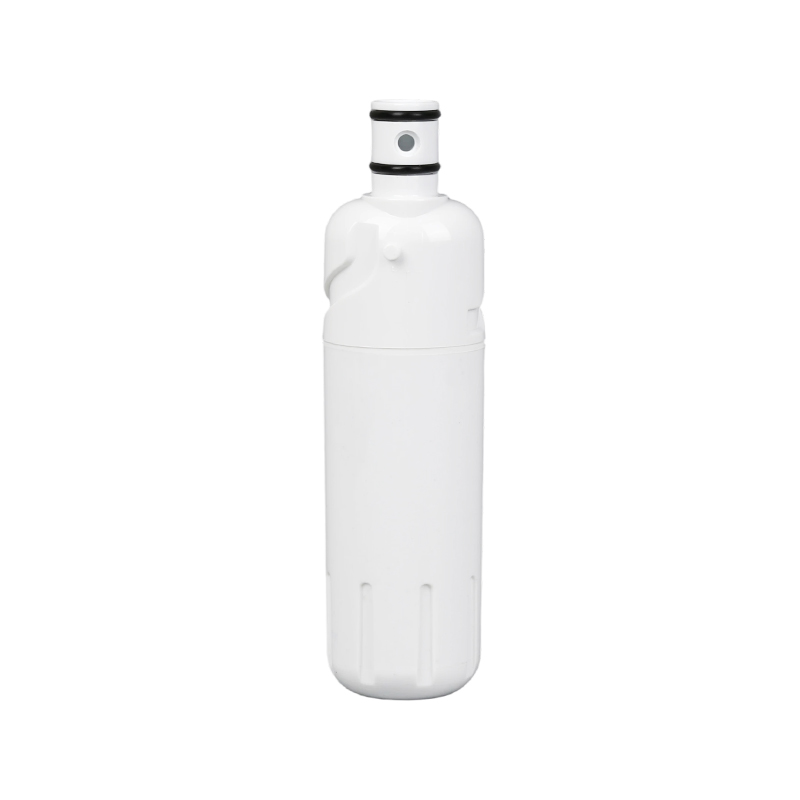
RF-28 refrigerator filter is specially designed for the pursuit of high-quality life. It is compatible with the FILTER2 series and models W10413645A and EDR2RXD1 of well-known brands such as WHIRLPOOL...
See Details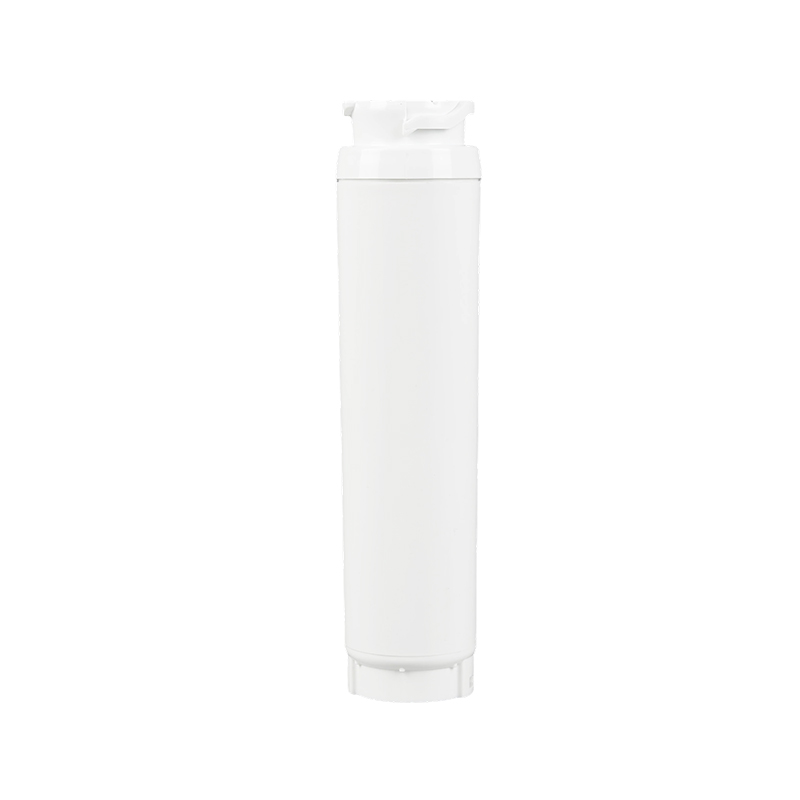
RF-29 refrigerator filter is specially designed for the pursuit of high-quality life and drinking water safety. Compatible with BOSCH 9000194412 model, it uses advanced filtering technology to effecti...
See Details
CONTACT us
*Your email is safe with us, we don't spam.

 The company's main products include
Contact Info
Phone: +86-13962755959 Tel: +86-513-87206118 E-mail: AK@chinnovel.com Add: 555 Yishou North Road, Chengbei Street, Nantong, Jiangsu

 Español
 عربى
 русский


