
Content
Choosing between a water filter pitcher and a faucet filter often comes down to how you actually use water in your kitchen. Both can improve taste, reduce common contaminants, and cut down on bottled water. But they ask different things of your counter space, your tap, and your daily routine. In our years of manufacturing filtration components, we have seen households thrive with each approach. The right choice is not about which system is universally better; it is about which one fits the way you live.
This guide compares the two on performance, convenience, cost, and maintenance. We also include a simple table and a few product options so you can narrow down the decision with less guesswork.
Both systems use a filter cartridge to reduce chlorine, sediment, and other unwanted elements from tap water. The difference is where the filtration happens and how the water reaches your glass.
A pitcher filter holds water in a reservoir and lets it drip through a cartridge into a serving jug. Many people keep the pitcher in the refrigerator so cold, filtered water is ready when they want it. The process is quiet and simple, but it happens in batches. You fill it, wait, and refill when it runs low.
A faucet filter connects directly to the tap, either as a mounted unit or as an under-sink system. Water is filtered on demand as it flows, so you can fill a pot, rinse vegetables, or make tea without waiting for a pitcher to refill. Flow rate is generally higher than a pitcher, and the filter housing stays out of the way.
There is also a middle ground: faucet-mounted cartridges that install on the spout with simple adapters. These are popular in rentals because they are easy to remove and take with you.
Neither format is automatically superior for every contaminant. Performance depends on the cartridge inside, not just the shape of the system. A well-designed pitcher filter can reduce chlorine taste, certain metals, and sediment. A faucet filter may offer similar reductions with higher flow, and some under-sink systems add multiple stages for broader coverage.
If you have specific concerns, such as hard water, lead, or a unusual water source, check the filter specifications rather than relying on general claims. Municipal water varies widely, and a filter that works well for one household may be a mismatch for another. Our practical guide to choosing water purification equipment walks through the questions we recommend asking before you buy.
One practical difference is throughput. Pitchers are slow by design because gravity does the work. Faucet filters deliver filtered water as fast as your tap can flow, which matters when you are cooking or filling large containers. If you mostly need a glass of drinking water at a time, a pitcher can be perfectly adequate. If water is part of nearly every meal, a faucet filter saves time.
Pitchers win on simplicity. There is no installation, no tools, and no plumbing. You unbox it, rinse the cartridge, fill it, and you are done. That makes pitchers a natural fit for renters, small households, and anyone who wants filtered water in the fridge for cold drinks. The trade-off is refilling. A busy family can empty a pitcher quickly, and the wait for a fresh batch can feel long when everyone wants water at once.
Faucet filters win on immediacy. You turn on the tap and filtered water is there. Faucet-mounted models are easy for most people to install, while under-sink systems take more effort but stay out of sight. If you have a large household or cook with water often, the on-demand flow is a daily advantage.
A pitcher takes up counter space or a shelf in the refrigerator. That is usually fine, but compact kitchens and crowded fridges can make it feel like one more thing to manage. A faucet-mounted filter adds a small housing at the tap, which can crowd a low sink or interfere with some pull-down sprayers. Under-sink systems use cabinet space instead.
If you move frequently, a pitcher or a removable faucet-mounted filter is easier to take with you. If you own your home and plan to stay, an under-sink system can be a clean long-term solution.
Upfront cost is only part of the picture. Pitchers usually cost less to start, but their cartridges can be smaller and may need replacement more often. Faucet filters and under-sink systems often cost more upfront, but some cartridges last longer and deliver more water per filter. The better comparison is cost per gallon over a year, not just the shelf price.
Maintenance habits also matter. Pitcher owners need to refill the reservoir, clean the jug, and replace cartridges on schedule. Faucet filter owners need to replace cartridges and occasionally clean the housing or aerator. Neither system is maintenance-free, but both are manageable with a simple routine.
On waste, both systems use replaceable plastic cartridges, so neither is zero-impact. But both can reduce bottled water purchases, which is often the bigger environmental gain. Choose the format you will actually keep using; a filter that sits unused helps no one.
The table below summarizes the trade-offs most households weigh. Use it as a starting point, then match it to your own routine.
| Feature | Water Filter Pitcher | Faucet Filter |
|---|---|---|
| Installation | None; ready to use | Faucet-mounted or under-sink |
| Flow rate | Slow; batch filtration | On-demand; faster |
| Counter space | Requires counter or fridge space | Little to none |
| Filter life | Usually 1–3 months | Usually 3–6 months |
| Best for | Renters, small households, cold fridge water | Daily cooking, larger households, direct tap use |
| Maintenance | Refill, clean reservoir, replace cartridge | Replace cartridge, clean housing |
No single row decides the choice. A large family that cooks at home may value flow rate above all. A renter who mostly drinks cold water may prefer the simplicity of a pitcher. The best system is the one that fits your habits without adding friction.
Before you decide, ask a few practical questions about how water moves through your day.
If you mostly fill a glass or two at a time, a pitcher is often enough. If you fill pots, wash produce, and make coffee throughout the day, a faucet filter will feel more natural. If you rent, a faucet-mounted model or a pitcher is easier to move. If you own and want a streamlined counter, an under-sink system may be worth the extra installation effort.
We have spent years manufacturing filtration components for both formats, and the pattern is consistent: people keep using the system that fits their routine. If you are leaning toward tap-based filtration, explore our faucet filter options to see the range of cartridges and connections available.
Because we build both pitcher and faucet filter replacements, we can offer a few starting points without pushing one format over the other. The right pick still depends on your kitchen and your water use.
For pitcher users who want a familiar, straightforward format, our RF102 pitcher filter replacement is a practical choice.
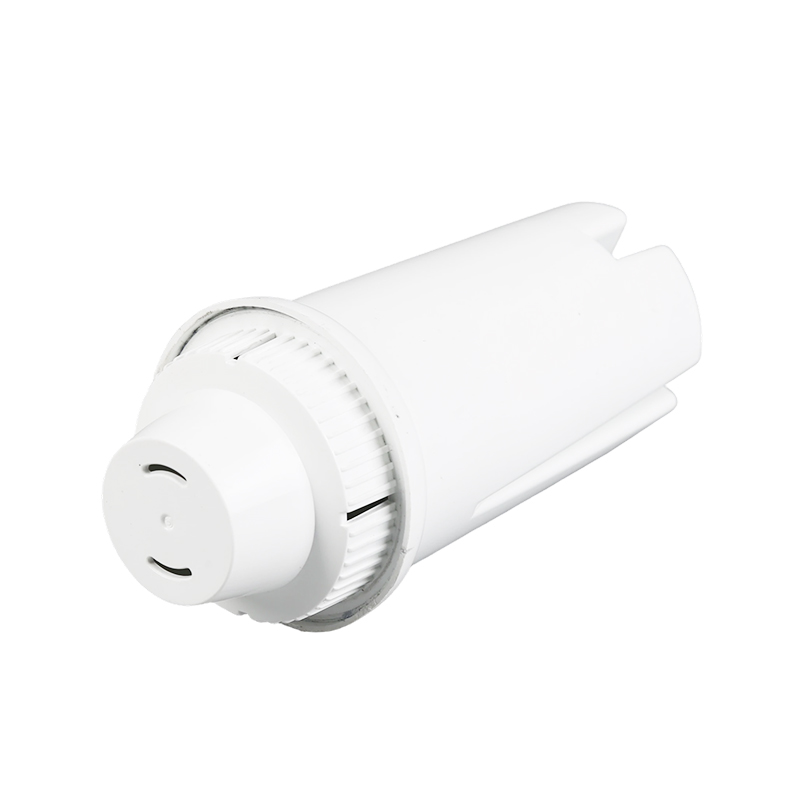 RF-102 Pitcher Filter Replacement CartridgeFor users who prefer a familiar pitcher format, this replacement cartridge offers high-efficiency filtration for chlorine, impurities, and odors while retaining minerals.View Product →
If you prefer a tap-mounted solution, the RF113 cartridge fits many standard faucet adapters and keeps filtered water available on demand.
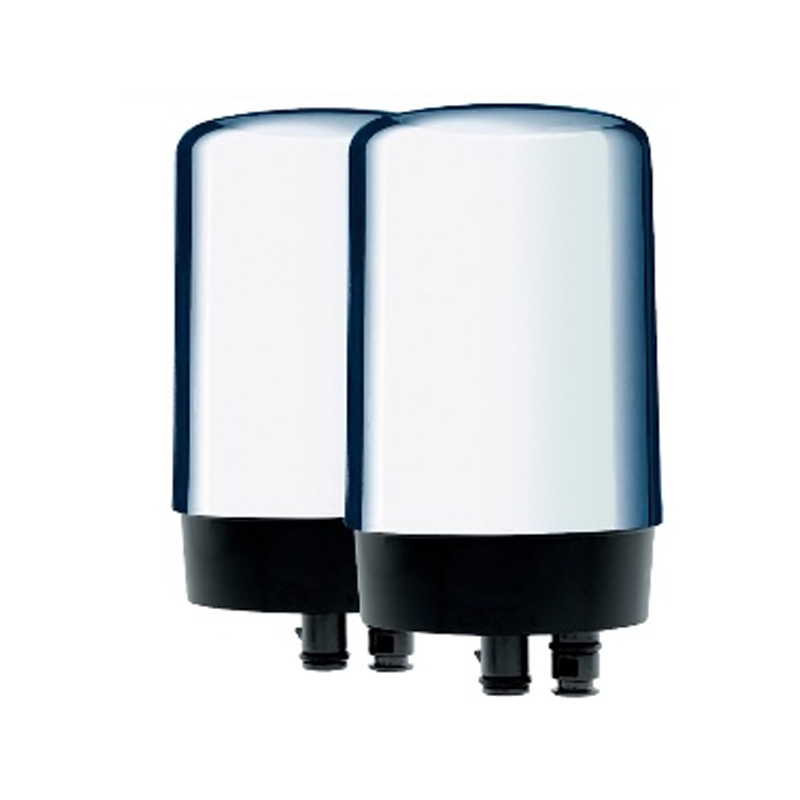 RF-113 Faucet Direct-Install Water Filter CartridgeA tap-mounted cartridge for quick one-twist installation, suited to kitchen faucets for drinking, tea, and cooking with reduced chlorine, impurities, and odors.View Product →
For higher flow and a combination setup, the RF74 high-efficiency cartridge combination is another option worth reviewing.
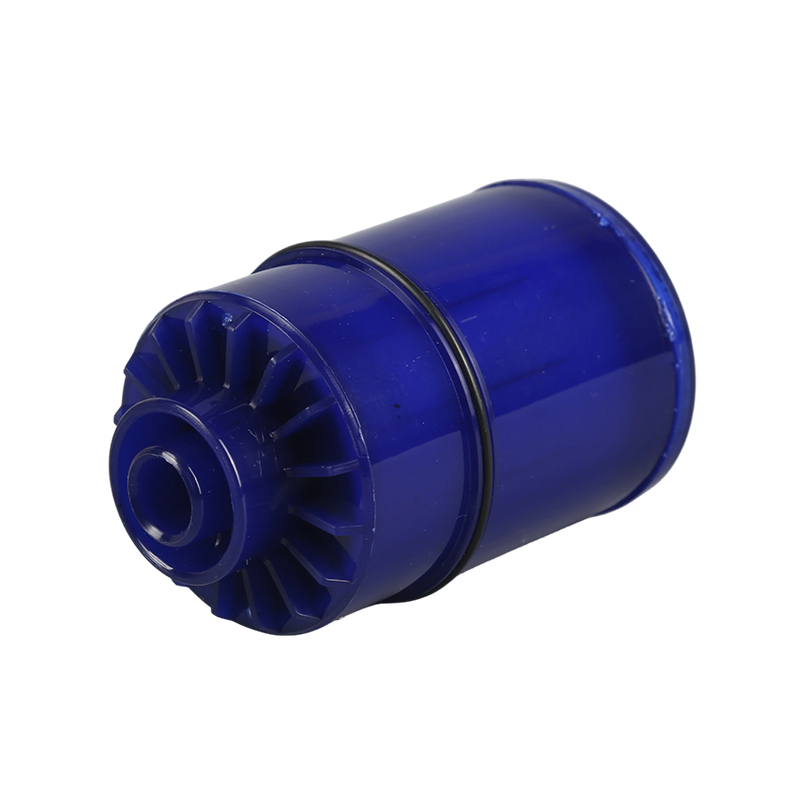 RF-74 and RF-9999 Faucet Filter Cartridge CombinationA two-cartridge faucet filtration set pairing multi-layer RF-74 with upgraded RF-9999, suited to households comparing combined filtration options for drinking water.View Product →
Each household is a little different. If you are unsure which direction fits, start with the format you will use most often, then refine the cartridge choice from there.
There is no single winner in the pitcher-versus-faucet debate. A pitcher is simple, portable, and easy to live with in small spaces. A faucet filter is fast, convenient, and well suited to daily cooking. Think about your counter, your tap, your household size, and your tolerance for refills. When the system matches your routine, clean-tasting water becomes a natural part of the day rather than another task to manage.
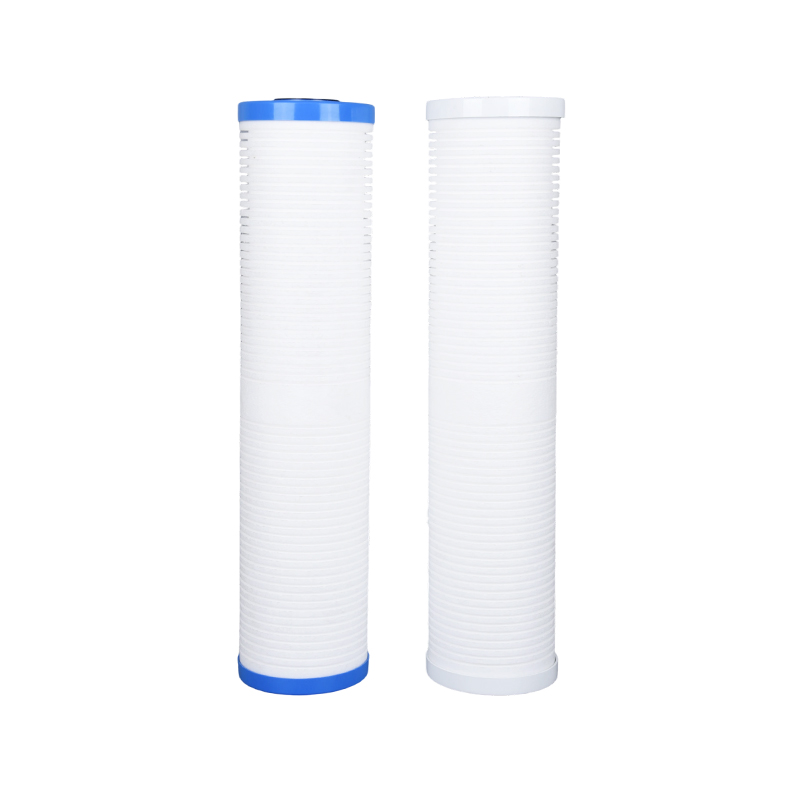
The AP810-2 whole-house water purification filter element adopts the advanced 20" large fat groove design, which not only improves the filtration efficiency, but also ensures the smooth flow of water ...
See Details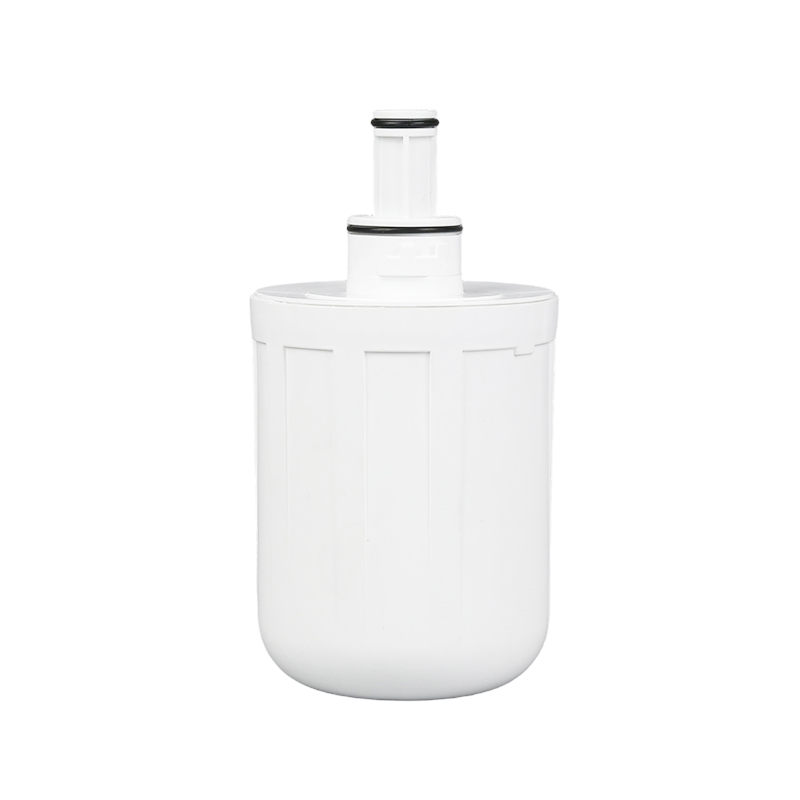
The RF-02 series refrigerator filter is specially tailored for the SAMSUNG DA29-00003B refrigerator, aiming to protect your family's drinking water health. Using high-efficiency filtration technology,...
See Details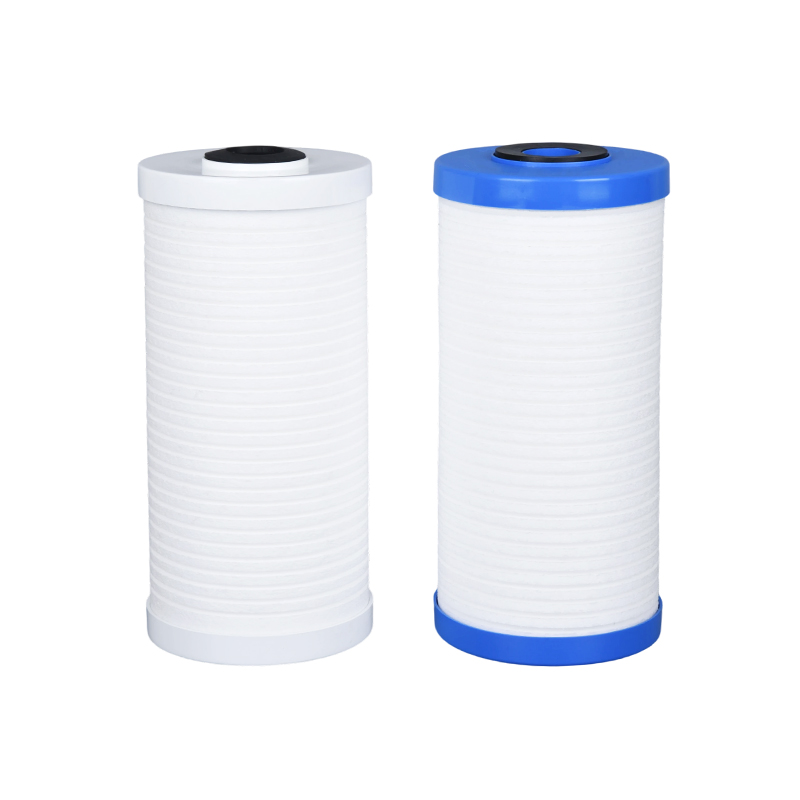
The AP810 whole-house water purification filter is designed for the pursuit of high-quality life. This filter adopts advanced filtration technology and integrates 10 high-efficiency fat groove designs...
See Details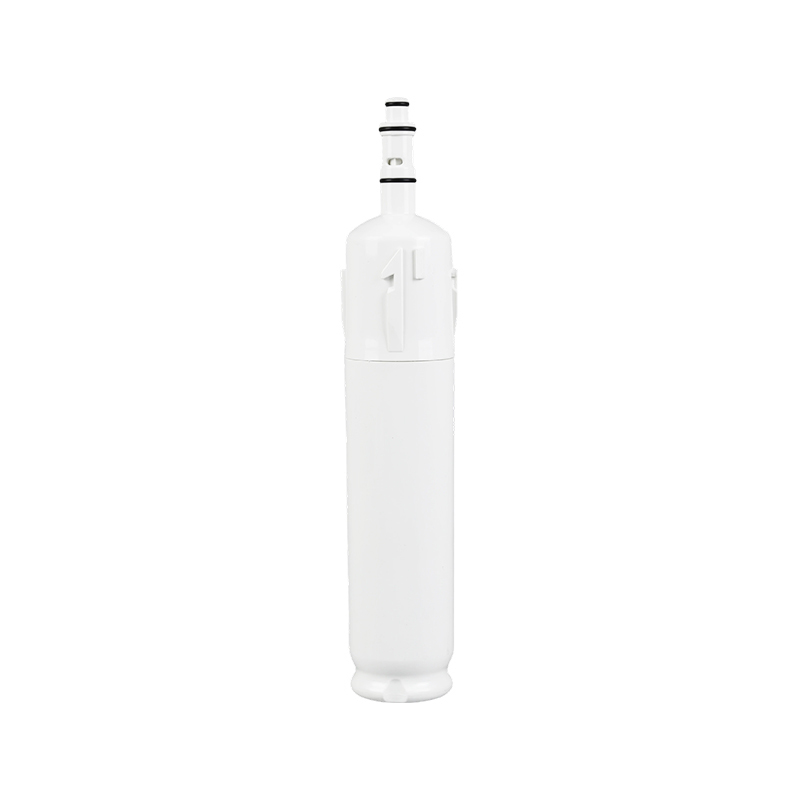
RF-12 refrigerator-specific water filter is tailor-made for SAMSUNG DA29-00012B refrigerator. With its excellent water purification performance and seamless compatible design, it protects the safety o...
See Details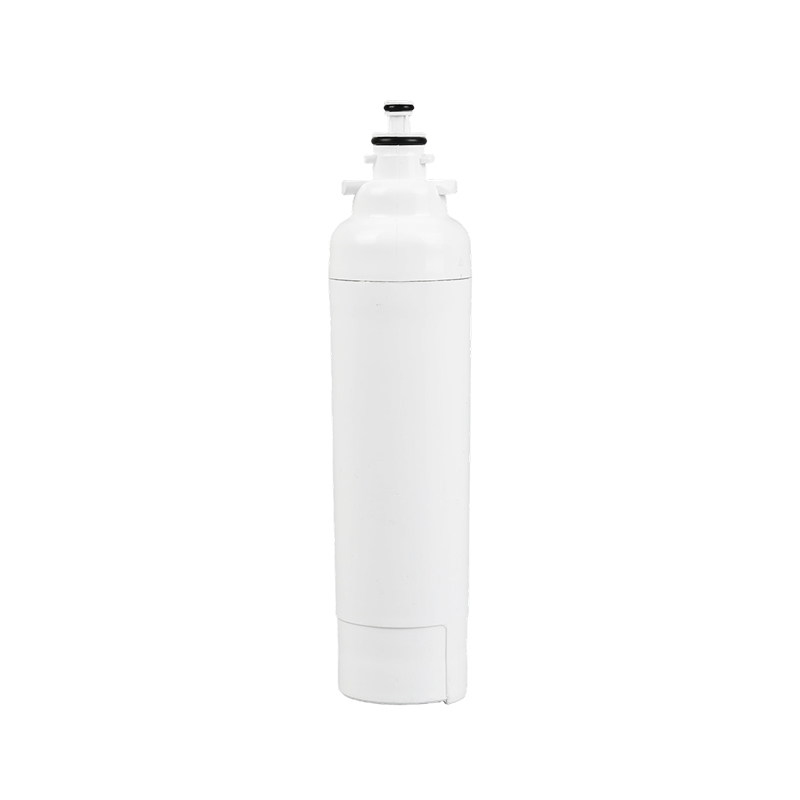
RF-90 refrigerator water filter is specially designed for you who pursue high-quality drinking water life. It is compatible with DA29-0003G refrigerator model and is an ideal choice for your family's ...
See Details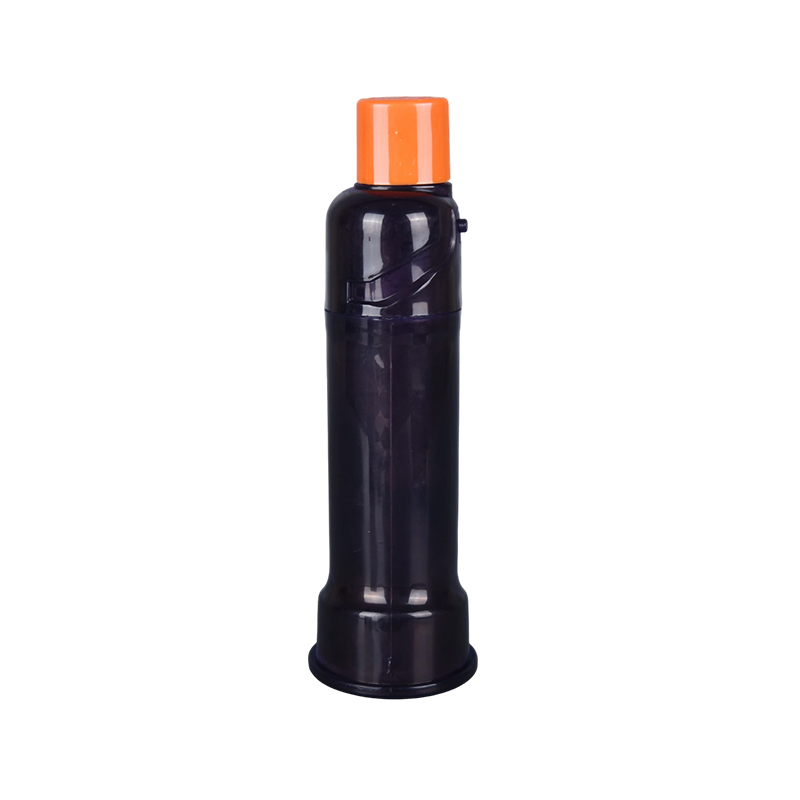
Compatible with ICE MAKER WATER FILTER F2WC9I1, RF-45 uses advanced multi-stage filtration technology to effectively remove impurities, residual chlorine, heavy metal ions and tiny particles in the wa...
See Details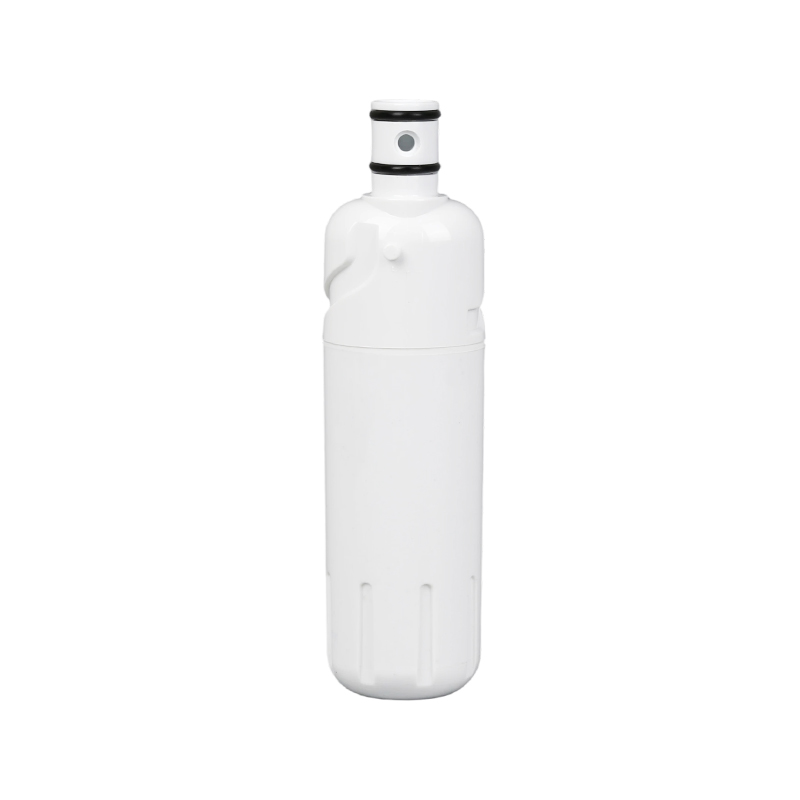
RF-28 refrigerator filter is specially designed for the pursuit of high-quality life. It is compatible with the FILTER2 series and models W10413645A and EDR2RXD1 of well-known brands such as WHIRLPOOL...
See Details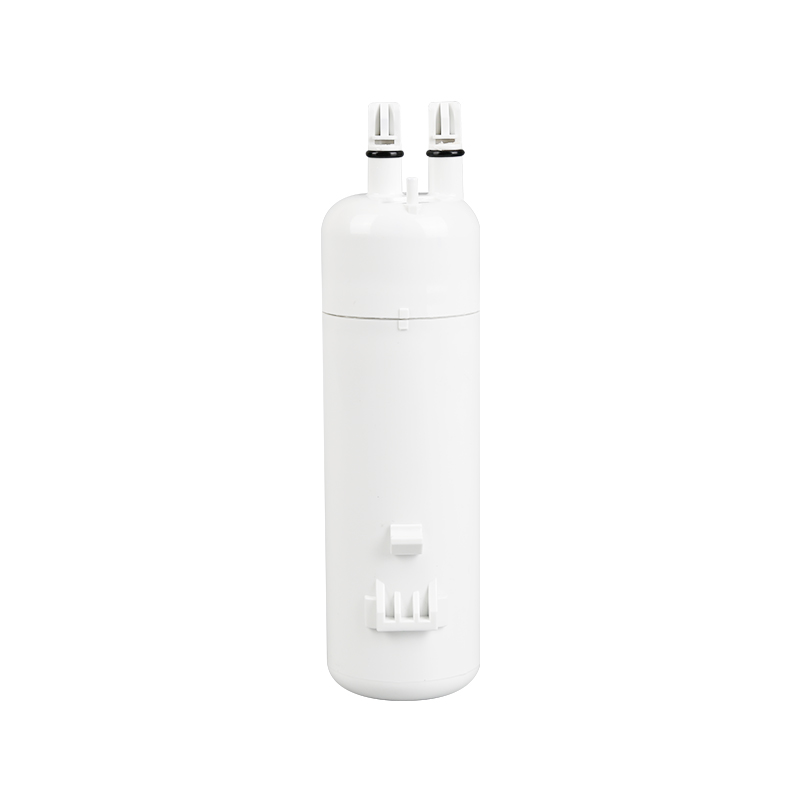
RF-27, as a water filter designed for high-end refrigerators, is compatible with refrigerator models such as WHIRLPOOL W10295370A and KENMORE 46-9930. With its excellent filtering performance and conv...
See Details
CONTACT us
*Your email is safe with us, we don't spam.

 The company's main products include
Contact Info
Phone: +86-13962755959 Tel: +86-513-87206118 E-mail: AK@chinnovel.com Add: 555 Yishou North Road, Chengbei Street, Nantong, Jiangsu

 Español
 عربى
 русский


