
Content
If you have ever stood at your fridge, held a glass under the dispenser, and quietly wondered whether the last filter change happened in January or July, you are in good company. It is one of the questions we hear most often, and the honest answer is simpler than most people expect.
For the majority of households, the sensible rule of thumb is every six months, or after 200 to 300 gallons of filtered water, whichever comes first. But that figure is an average, not a law of physics. Heavy use, hard water and a few other things can pull the timeline forward, while light use can stretch it slightly. Here is how to read your own situation.
Nearly every refrigerator filter maker, from carbon block designs to granular activated carbon cartridges, rates its product at roughly six months or 200 to 300 gallons of filtered water. Whichever limit arrives first is the one that counts. A busy family of five can burn through 200 gallons in a little over three months, while a couple who mostly uses the dispenser for drinking water may barely reach halfway by the six-month mark.
Many modern refrigerators light up a change indicator on the control panel or above the dispenser. When it appears, change the filter. But if the light has not come on and the cartridge has been sitting there for eight or nine months, change it anyway. That indicator is usually a simple timer or a flow counter, not a water quality sensor, so it has no idea what is actually happening inside the cartridge.
A refrigerator filter is typically pressed activated carbon, sometimes with a sediment layer wrapped around it. In the first few months, that carbon does exactly what it was designed to do: it grabs chlorine, taste and odor compounds, certain volatile organic chemicals, and fine particles before they reach your glass or your ice maker.
Once the pores are full, two things happen at the same time. First, reduction performance drops off, so the water starts tasting like the tap water it came from. Second, the cartridge itself becomes a warm, damp, food-rich environment for the very organic material it has been trapping. That is why an overdue filter rarely makes anyone seriously ill, but it very often makes water taste flat, smell musty, or turn ice cubes cloudy.
Changing on schedule is also cheaper than most people assume. A fresh cartridge every six months costs far less than a repair visit, and far less than the bottled water many families fall back on when the dispenser starts tasting off.
The six-month figure assumes average household use and reasonably typical municipal water. Once you factor in water hardness, chlorine levels and how many people are filling glasses every day, the right interval can shift by several weeks. This table is a rough guide to how we think about it.
| Situation | Effect on the cartridge | Suggested interval |
|---|---|---|
| Large family using the dispenser many times a day | Reaches 200 gallons well before six months | Every 4 months |
| Hard water or high residual chlorine | Carbon saturates faster | Every 3 to 4 months |
| Light use, ice maker only | May never reach the gallon limit | Every 6 months, regardless of volume |
| Two-person household, good water quality | Steady and predictable | Every 5 to 6 months |
| Holiday home or seasonal use | Water sits stagnant in the cartridge | Replace before the first use after a long break |
| Just moved into a new home | Filter history is unknown | Replace immediately, then start a schedule |
The fastest way to buy the wrong filter is to shop by refrigerator brand. The right way is to read the model number. Pull the old cartridge out, hold it under a light and photograph the letters and numbers stamped along its side. That string is what actually matches the housing, and it is usually printed on a label inside the fridge door as well.
We have been manufacturing replacement cartridges for more than two decades, and our refrigerator water filter range covers the numbering systems used across GE, LG, Whirlpool, Samsung, Maytag, Bosch, Kenmore and Fisher & Paykel refrigerators. Two of the cartridges we ship most often are these:
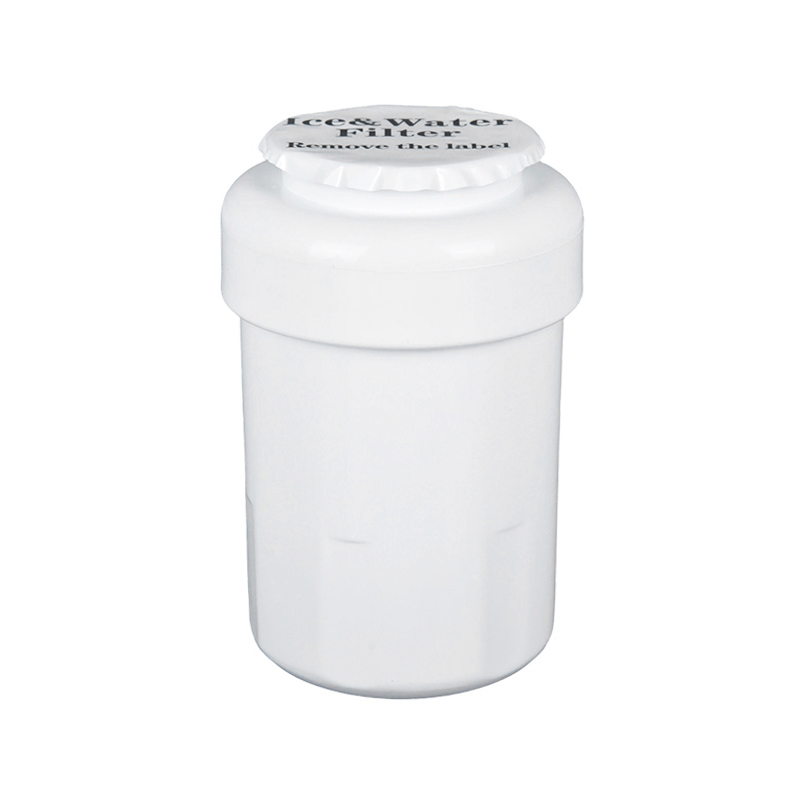 GE MWF Advanced Refrigerator Water Filter RF-09A frequently shipped GE MWF-compatible replacement, model RF-09, offering convenient installation and filtration for GE MWF-series refrigerators.View Product →
 LG LT600P Refrigerator Water Filter RF-10A frequently shipped LG LT600P-compatible filter, model RF-10, with multi-stage filtration and tool-free installation for LG-series refrigerators.View Product →
If your household drinks a lot of water or your supply is on the hard side, it pays to choose a cartridge with a longer service life so you are not changing it every few weeks. This Whirlpool-compatible option is built for exactly that kind of steady, high-volume use:
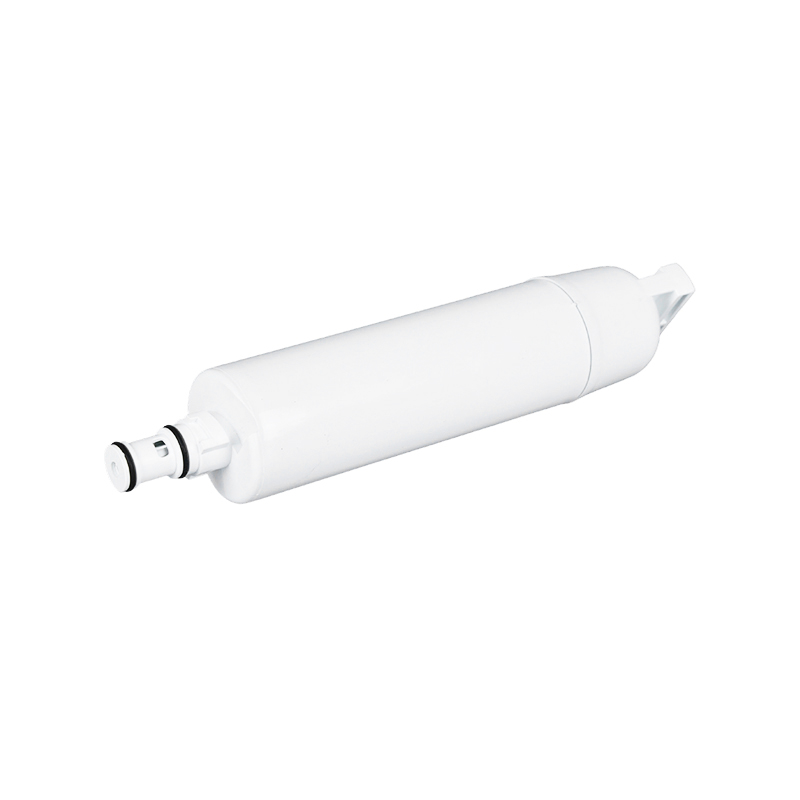 Whirlpool 4396508 EDR5RXD1 Refrigerator Water Filter RF-04-2Whirlpool-compatible replacement for 4396508 and EDR5RXD1 refrigerators, using advanced filtration for impurities, odors, residual chlorine, and some heavy metals.View Product →
The job takes about five minutes once you know where everything is. If you would rather watch it done first, we have a short walkthrough here: replacing a refrigerator water filter in five minutes. Otherwise, follow these steps.
Plan on two to three gallons, or roughly three to five minutes of continuous dispensing. This flush clears out loose carbon fines and trapped air, which is why the first glasses often look milky or grey. That cloudiness is harmless, but it does not belong in your drinking water, so let it run.
Discard the flush water rather than drinking it, and throw away the first batch of ice as well. Some cartridges need a second flush after a day or two if the water still tastes slightly metallic. If the taste persists beyond that, check that the cartridge is fully seated before assuming the filter is faulty.
Both problems are usually installation issues rather than defective filters. Work through these checks before calling anyone.
Occasionally, by a few weeks, and without much harm. But treat it as the exception rather than the plan. Consistent timing is what keeps water quality steady.
For most healthy people the risk is low, and the more common outcome is unpleasant taste, odor and slower flow. Still, a saturated cartridge is not something we would choose to drink from, especially in households with infants or anyone with a weakened immune system.
Read the model number stamped on the old cartridge. That code, not the refrigerator brand, is what determines the correct replacement.
No. Capacity and rated life vary between cartridges, so the packaging always takes priority over any general rule. Six months is a starting point, not a universal standard.
If you take one thing away from this, make it the habit rather than the number. Note the date on your phone when you install a new cartridge, replace it around the six-month mark or the 200-gallon mark, and flush it properly. Your water will taste the way it did on day one, and your ice will stay clear. If you are unsure which cartridge fits your refrigerator, send us the number printed on the old one and we will point you to the right match.
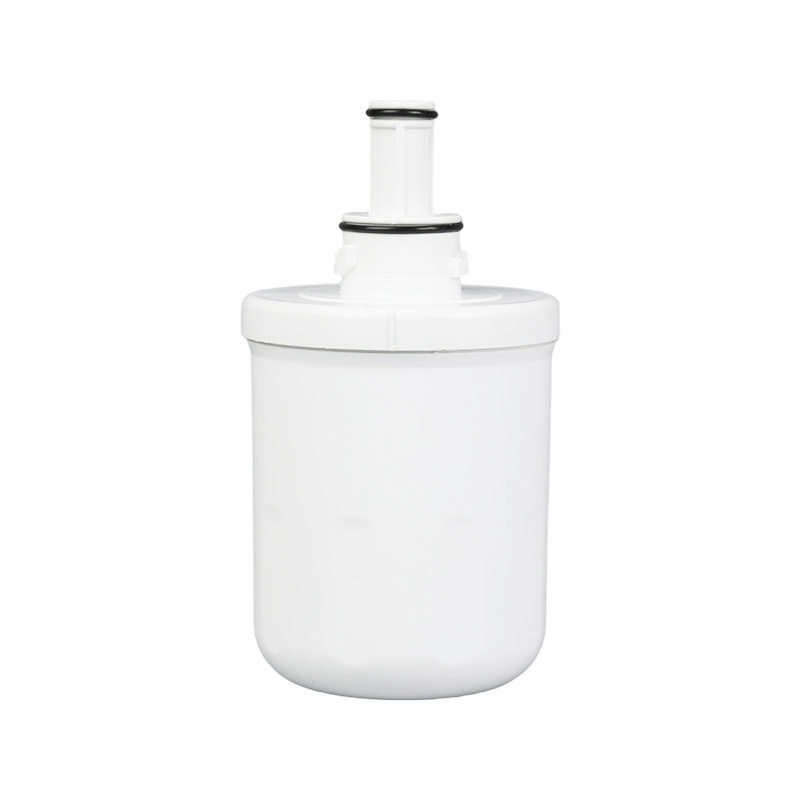
Samsung RF-01 refrigerator filter, model DA29-00003G, is a high-quality filter designed for Samsung refrigerators. This product uses advanced water filtration technology to effectively remove impuriti...
See Details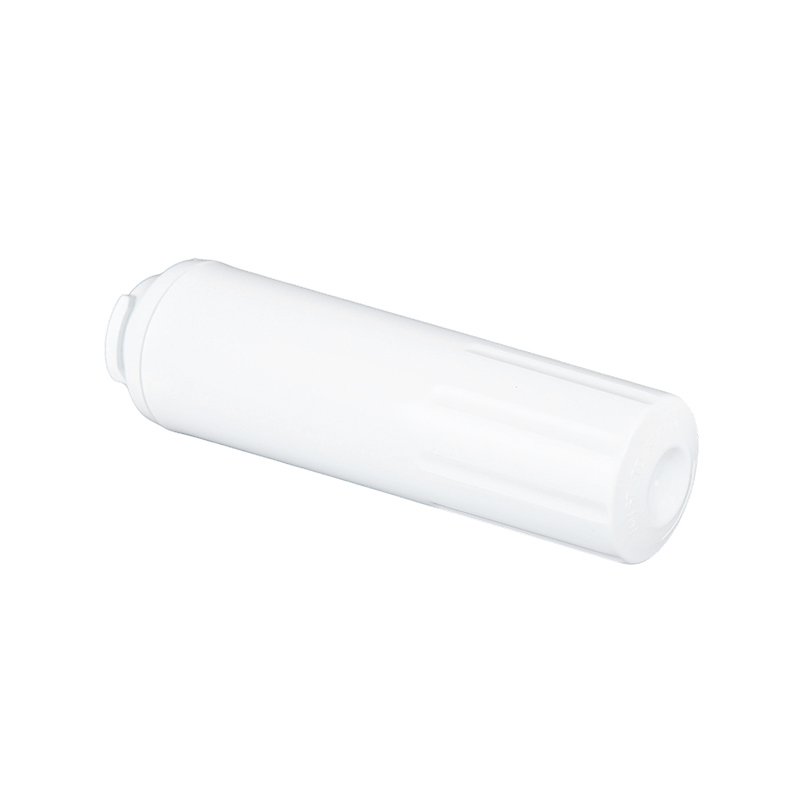
RF-11 refrigerator filter, as an innovative water purification solution designed for modern families, is not only perfectly compatible with MAYTAG UKF8001 series refrigerators, but also brings your fa...
See Details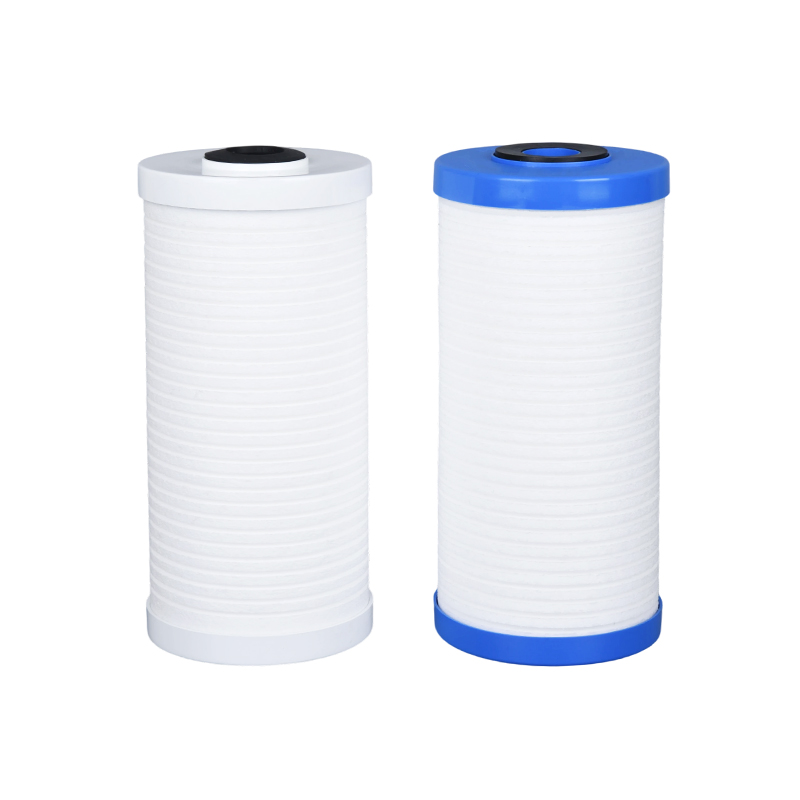
The AP810 whole-house water purification filter is designed for the pursuit of high-quality life. This filter adopts advanced filtration technology and integrates 10 high-efficiency fat groove designs...
See Details
RF-90 refrigerator water filter is specially designed for you who pursue high-quality drinking water life. It is compatible with DA29-0003G refrigerator model and is an ideal choice for your family's ...
See Details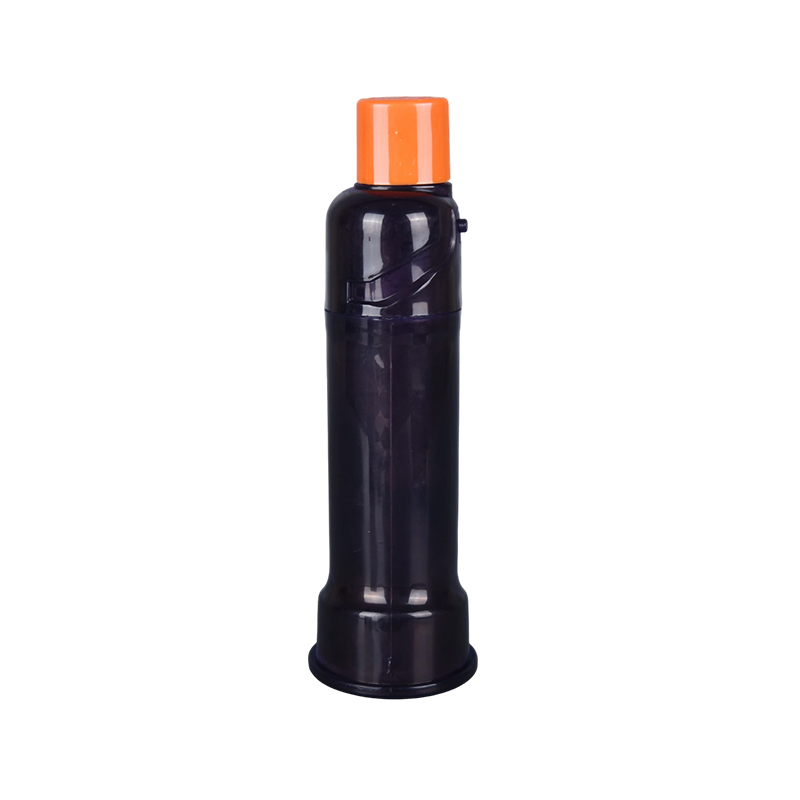
Compatible with ICE MAKER WATER FILTER F2WC9I1, RF-45 uses advanced multi-stage filtration technology to effectively remove impurities, residual chlorine, heavy metal ions and tiny particles in the wa...
See Details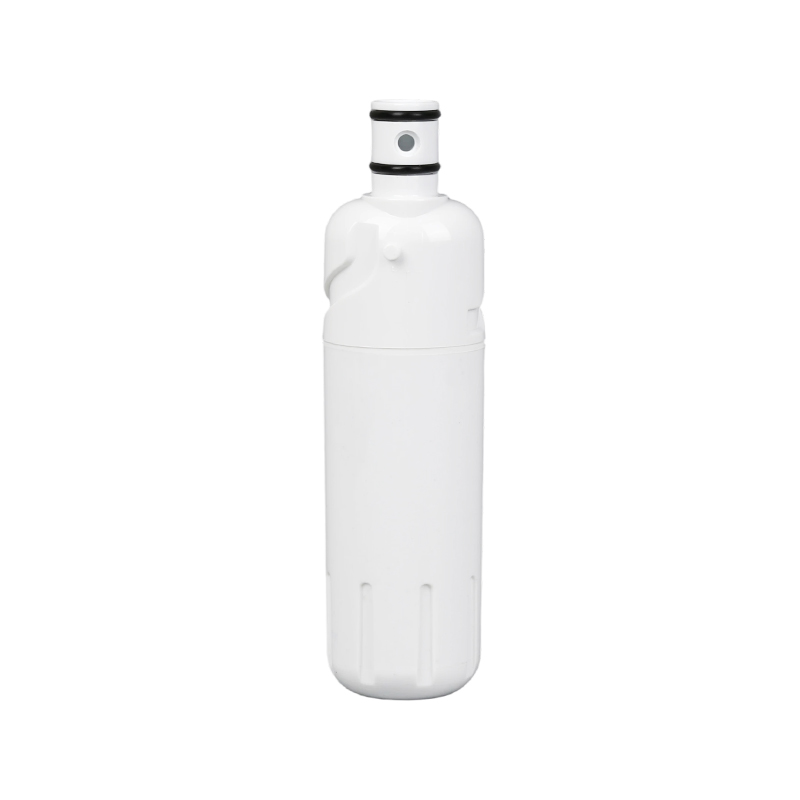
RF-28 refrigerator filter is specially designed for the pursuit of high-quality life. It is compatible with the FILTER2 series and models W10413645A and EDR2RXD1 of well-known brands such as WHIRLPOOL...
See Details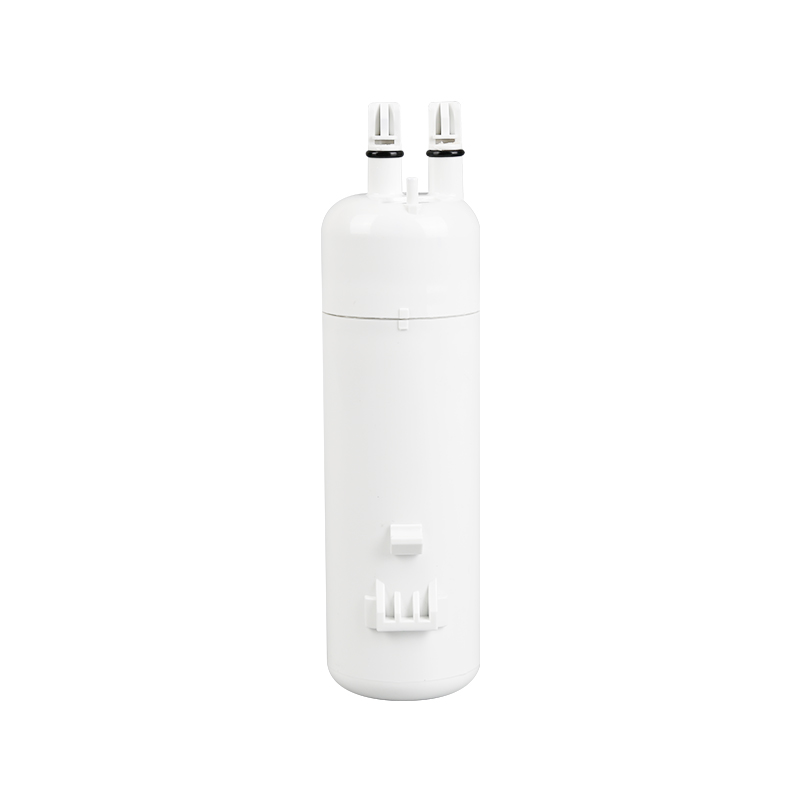
RF-27, as a water filter designed for high-end refrigerators, is compatible with refrigerator models such as WHIRLPOOL W10295370A and KENMORE 46-9930. With its excellent filtering performance and conv...
See Details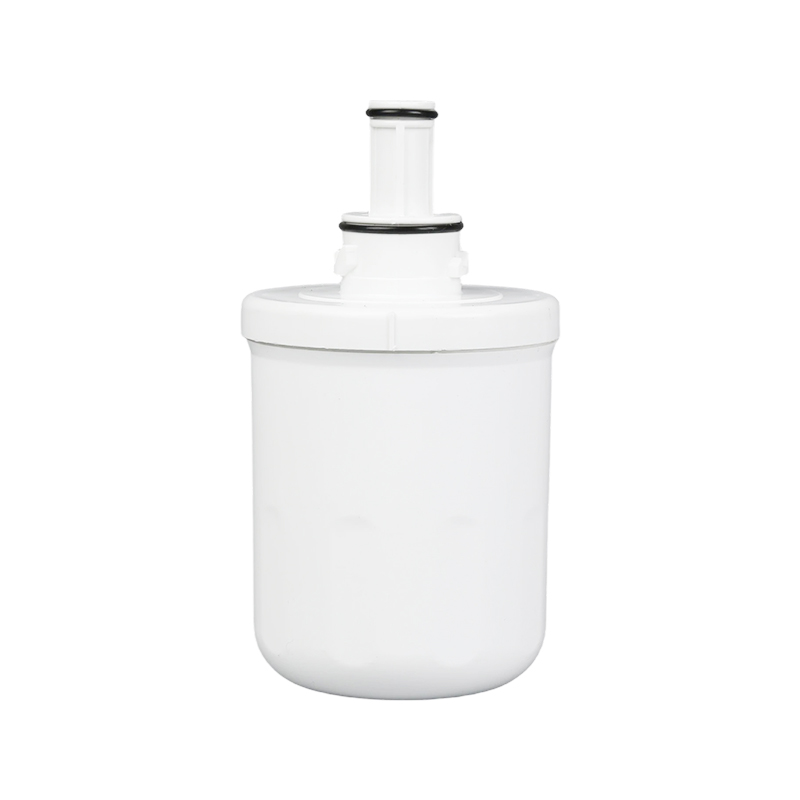
RF-01 refrigerator filter, as the guardian of household refrigerator water quality, is compatible with Samsung DA29-00003F model design. With its excellent filtering performance and convenient install...
See Details
CONTACT us
*Your email is safe with us, we don't spam.

 The company's main products include
Contact Info
Phone: +86-13962755959 Tel: +86-513-87206118 E-mail: AK@chinnovel.com Add: 555 Yishou North Road, Chengbei Street, Nantong, Jiangsu

 Español
 عربى
 русский


