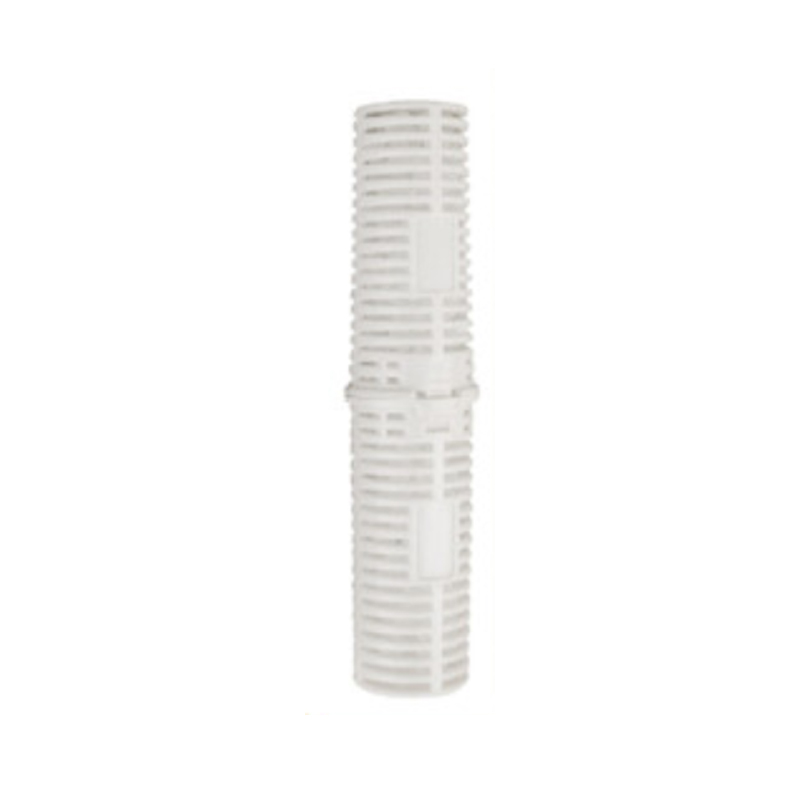
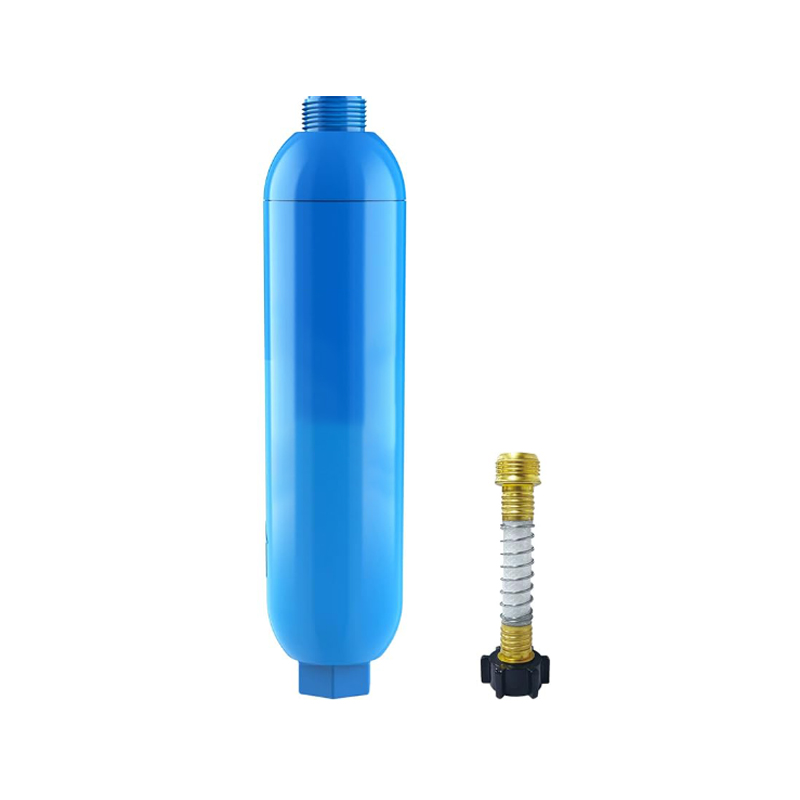
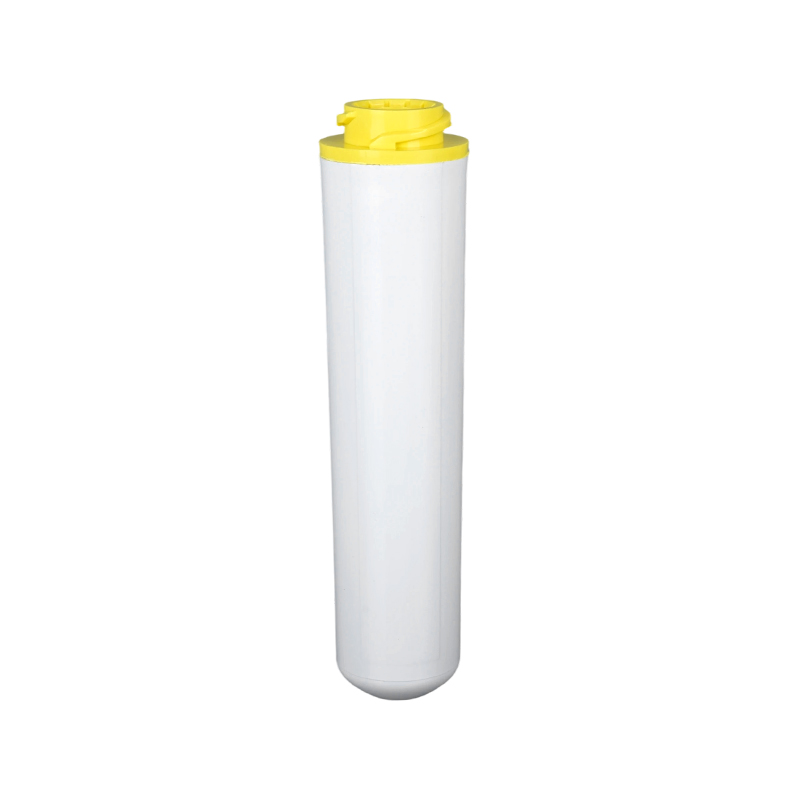
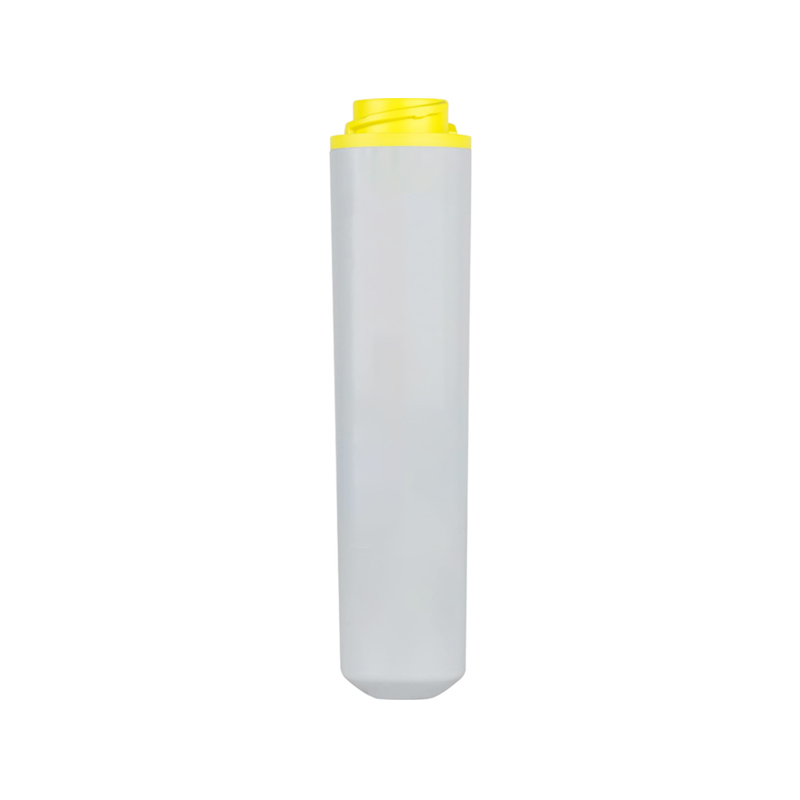
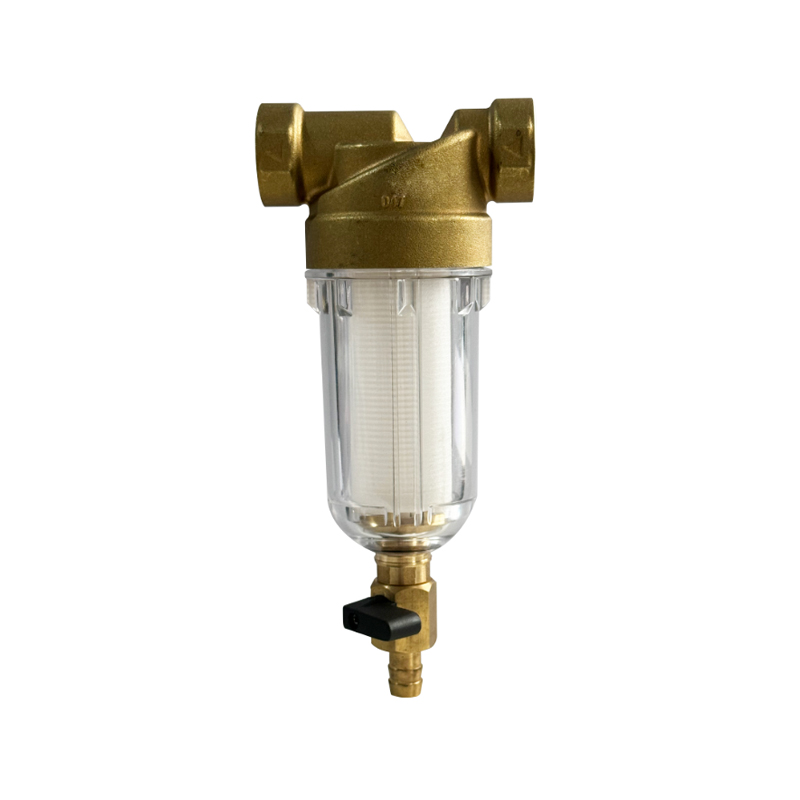
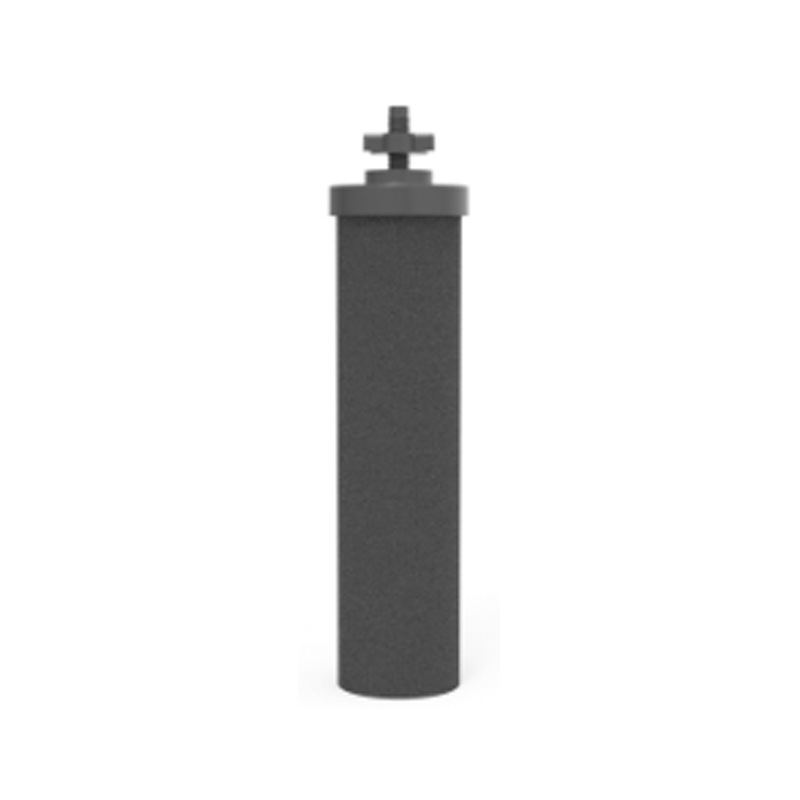
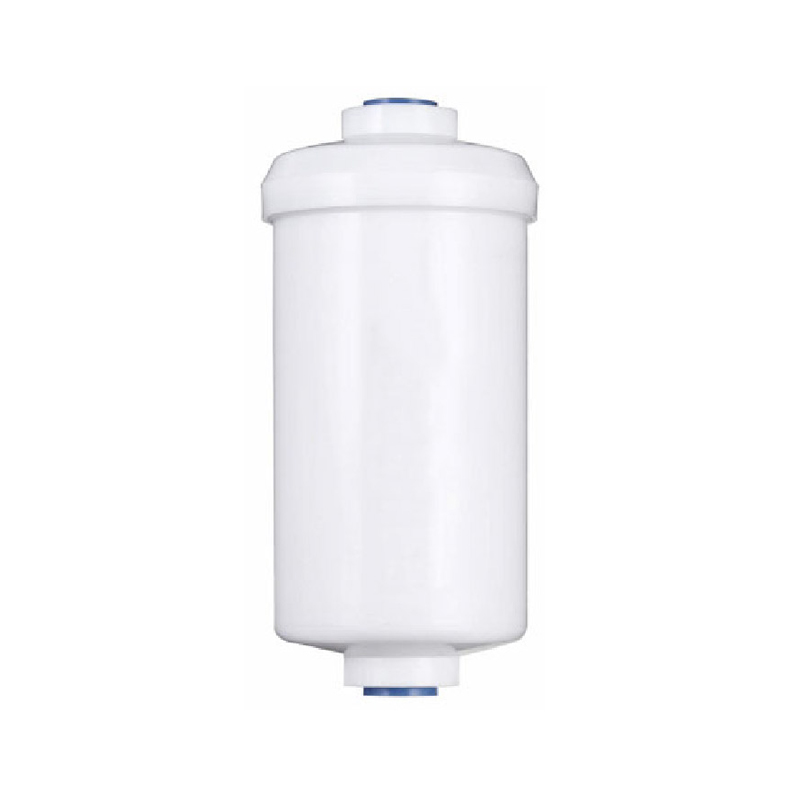
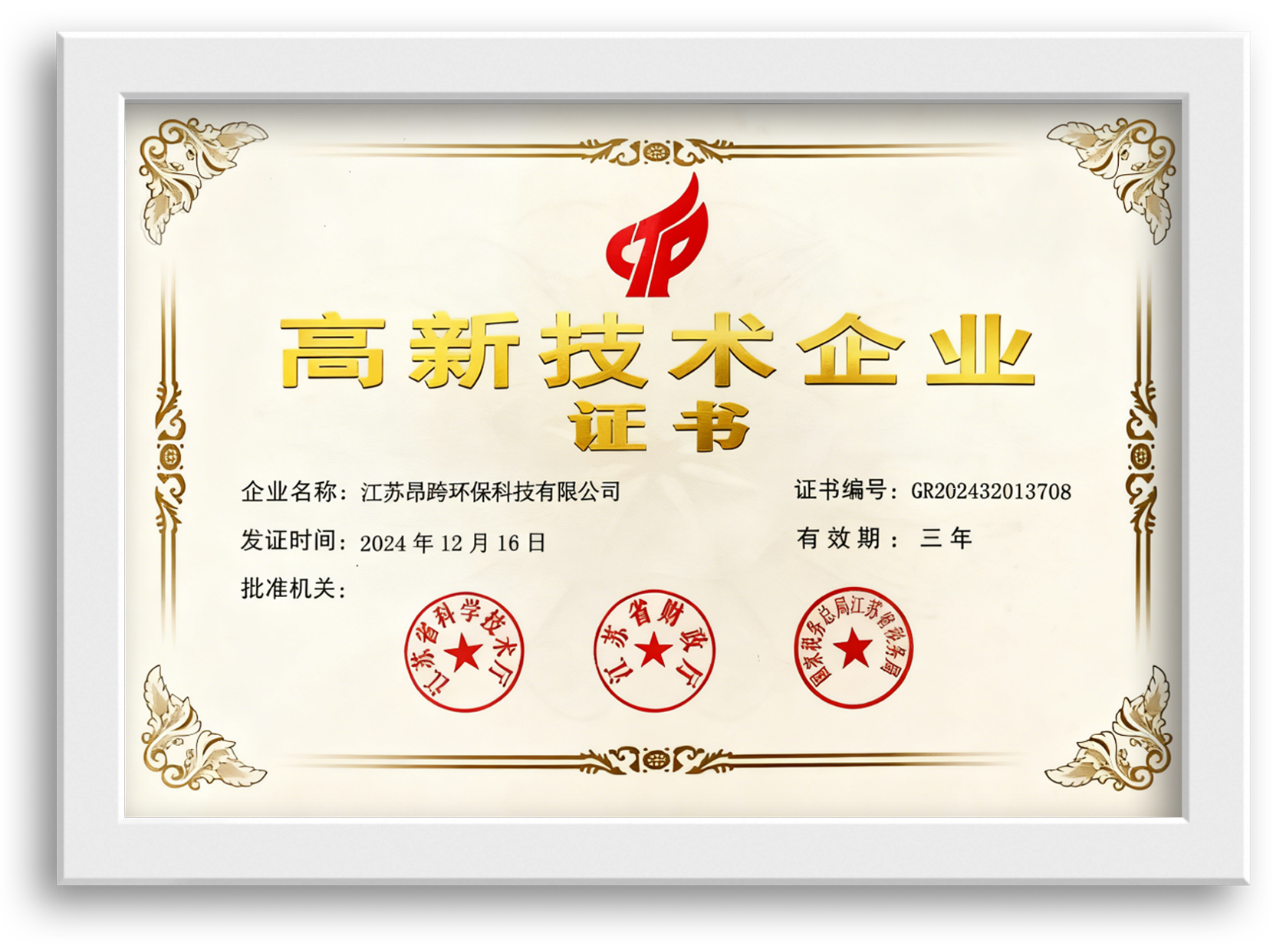
Jiangsu Angkua Environmental Protection Technology Co., Ltd. manufactures the Other Filters range for water treatment duties that fall outside our standard refrigerator, pitcher and pool cartridge families. It is our engineering home for whole-house deep filtration elements, water dispenser cartridges, washing machine and basin elements, shower purification cartridges, gravity-fed and pet drinking water media, and hydrogen-rich water generators. Media selection, housing tooling, sealing, filling and final testing all take place in our own Nantong plant, so the dimensional and chemical behaviour of every batch is controlled at one source.
Positioning: small-footprint purification components built to a defined working point — precision band, flow, interface and service interval — rather than a one-size catalogue substitute. Our Other Filters range is configured from the working point outward.
What Our Other Filters Range Covers
The range splits into functional families rather than form factors alone. Each family has its own media stack, sealing method and interface convention, and each is produced to either a standard design or an OEM drawing.
| Product family |
Media and construction |
Typical duty |
Installation point |
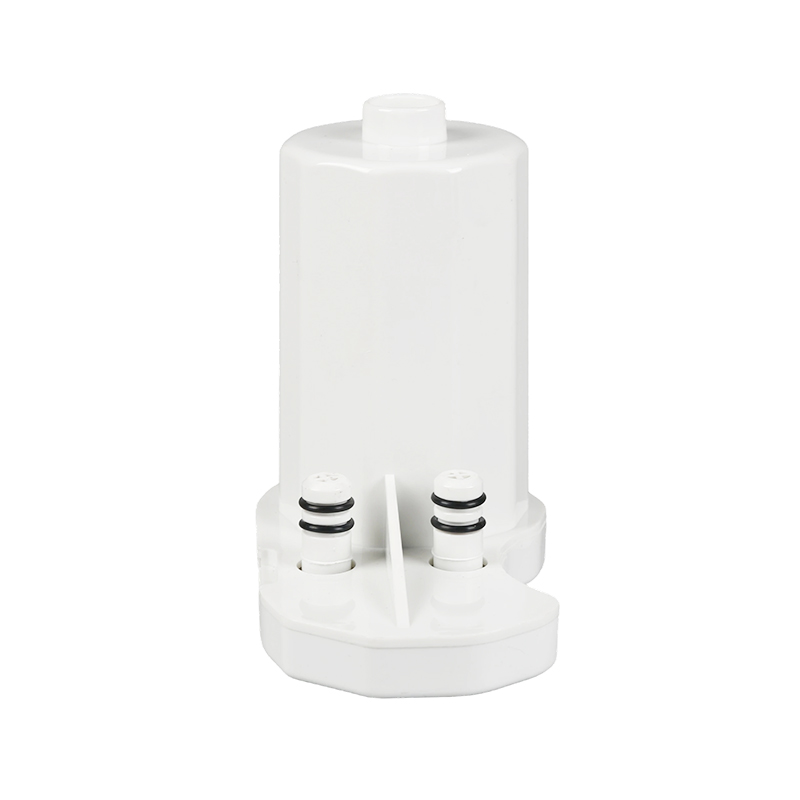
| Whole-house deep elements — RF-93 51300C, RF-93-1 51600C, RF-54CDW7101V, RF-115 AP431/HF8-S |
Multi-layer composite carbon block, high-precision pleated media, injection-moulded end caps |
Sediment, residual chlorine, heavy metals and fine particulate at mains entry |
Point-of-entry housings, whole-house skids, inline pressure vessels |
| Dispenser elements — RF-103, RF-104, RF-80, RF-34 |
Microporous filter paper plus graded carbon layers; monitored versions with flow and life sensing |
Drinking water polishing, taste and odour control on dispenser platforms |
Countertop and bottom-load dispensers, OEM appliance water circuits |
| Laundry filters — high-efficiency and standard washing machine elements |
Fine mesh and fibrous media in moulded housings with threaded inlet/outlet |
Lint, scale and particle capture upstream of inlet valves |
Domestic and commercial laundry inlet lines, appliance service kits |
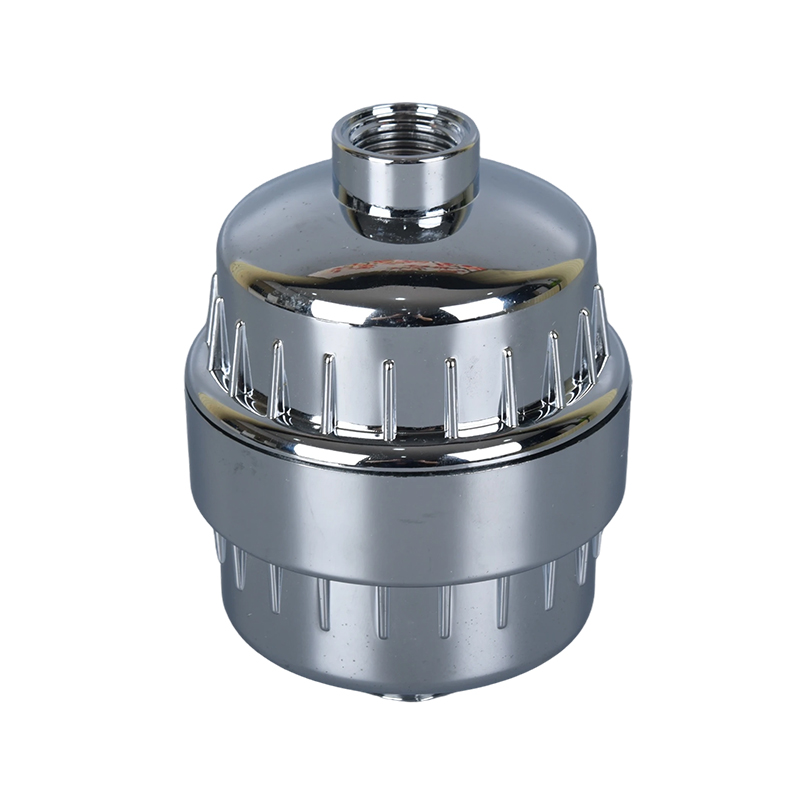
| Basin and shower elements — RF-71 facial cleansing basin cartridge, RF-79 shower purification filter |
Composite carbon and mineral media with corrosion-resistant end fittings |
Chlorine, odour and particulate reduction for skin and hair contact |
Wash basins, shower heads, faucet-mounted and hand-shower units |
| Pet and gravity cartridges — RF-72 Cat Mate & Dog Mate cartridge, RF-107 Berkey BB9-2 element |
High-density carbon block and gravity-flow ceramic or carbon media |
Odour, taste and particulate control at micron-level interception |
Recirculating pet fountains, countertop gravity purifiers |
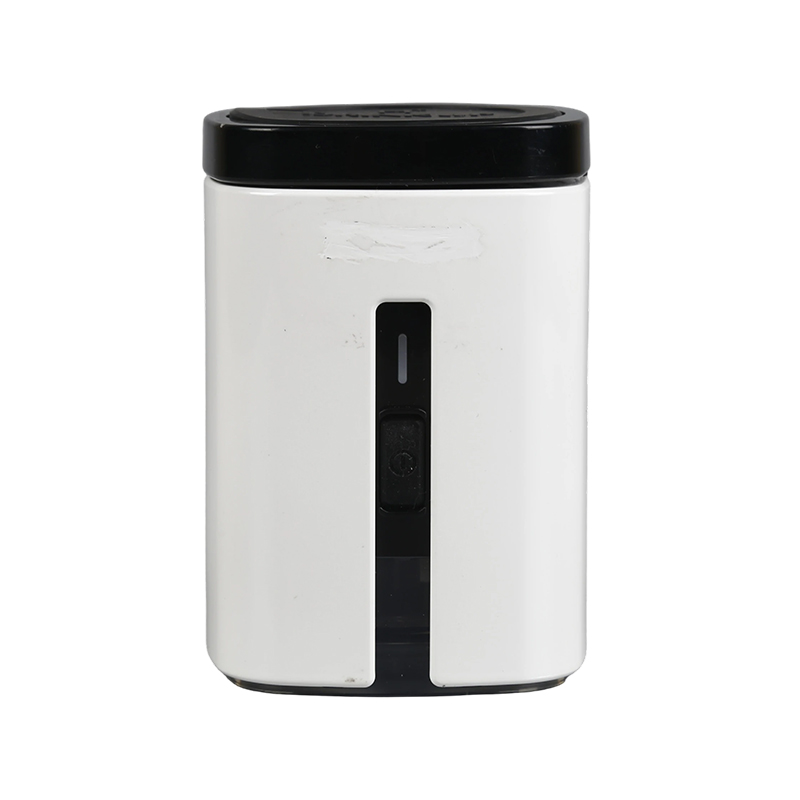
| Hydrogen water appliances — RF-65 and RF-82 |
Electrolysis cell with separating membrane and integrated control board |
Dissolved hydrogen generation from purified feed water |
Household and wellness appliances, OEM private-label units |
| Custom non-standard elements |
Specified media stack, housing geometry and interface, tooled to drawing |
Flow, chemical or precision duties outside the standard lines |
Pretreatment modules, process-fluid polishing, OEM equipment interfaces |
Where a requirement sits inside one of our larger families, the equivalent standard ranges are the water purification system filter elements and, for appliance cartridge work, the refrigerator water filters. The RF-93 51300C whole-house deep water filter element is a representative whole-house build from this range.
Where Each Family Fits
- Whole-house and point-of-entry: deep-capture elements sized for mains flow, where stable pressure drop matters more than peak single-pass removal.
- Dispenser and appliance circuits: compact cartridges with tight length and seat tolerances so they drop into existing manifolds without re-tooling.
- Laundry and utility water: coarse-to-medium protection aimed at inlet valves, solenoids and heating elements rather than drinking water.
- Body-contact water: basin and shower elements tuned for chlorine and odour reduction at domestic flow rates.
- Pet and gravity systems: media that keeps working at low driving head, where pump pressure is not available.
- Hydrogen generation: a complete appliance function rather than a passive element, supplied with its own control and safety logic.
Media, Materials and Construction
Our builds are grouped into three working bands. Deep-purification elements target the fine end of the range for terminal duties; flow-optimised elements use expanded pleated area for high-flow pretreatment and circulating water; general engineering elements handle pipeline impurity interception where cost per unit volume dominates.
Media selection follows the fluid, not the housing. Composite carbon grades are specified for chlorine and organics, fibre and mesh layers for particulate, and inorganic media where scale or specific ions are the target. We confirm chemical inertness and structural stability in contact with water and other media, and we avoid construction features that shed fibre or deform the filter layer under sustained flow.
Critical Specifications We Configure Around
| Parameter |
What we define with you |
Effect on the system |
| Filtration precision band |
Deep purification, flow-optimised or general engineering grading |
Removal performance against dirt-holding capacity and service interval |
| Interface and geometry |
Thread standard or bayonet type, O-ring seat, overall length and diameter |
Drop-in fit into existing manifolds and sealing at the seat |
| Rated flow and pressure drop |
Design flow, initial and terminal pressure drop allowance |
Pump duty, energy consumption and alarm thresholds |
| Pressure and sealing integrity |
Hot-melt welding or high-precision injection moulding, no adhesive bonding |
Cycle strength, no chemical residue carry-over into filtered water |
| Feed water quality |
Turbidity, pH, residual chlorine, temperature and pressure fluctuation profile |
Media grade, media mass and realistic replacement interval |
| Monitoring interface |
Filter-life indicator, flow or pressure sensing, connector position |
Appliance control logic and end-user replacement prompts |
Appliance and Line Integration
Intelligent variants such as the RF-80 and RF-115 builds carry sensing and detection features so an appliance controller can read filter status and prompt replacement. We agree the electrical interface, signal type and connector layout during sampling, then validate them on the same assembly line that will produce the series.
For passive elements, integration is mechanical and hydraulic: inlet and outlet orientation, bypass position, mounting clearance for tool access, and the pressure class of the surrounding housing. Where an element is fitted downstream of a pump or solenoid valve, we account for pressure pulsation in the media stack and end-cap design.
Manufacturing and Quality Control
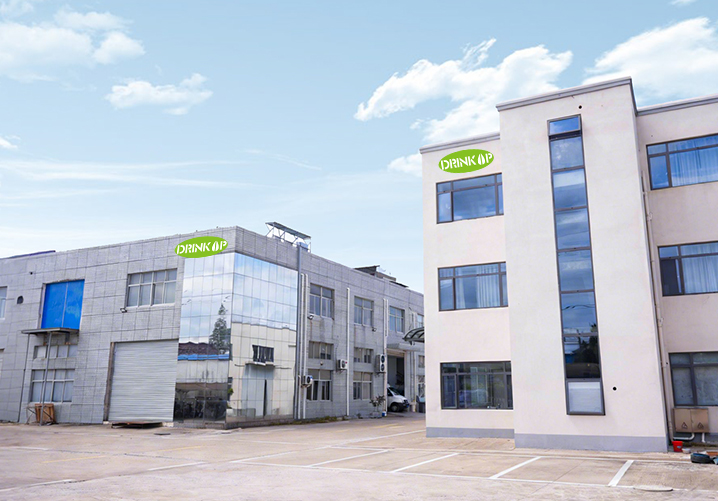
Our manufacturing base in Nantong covers 66,000 m² and employs more than 480 people, including 60 technical engineers. Core filter materials pass incoming inspection by batch before release to production, and assembly runs in a temperature- and humidity-controlled environment with automated precision measurement rather than visual gauging.
- Sealing structures are produced by hot-melt welding or high-precision injection moulding, without adhesive bonding.
- Elements are pressure-cycled at 1.5 times rated pressure before release, supported by flow testing.
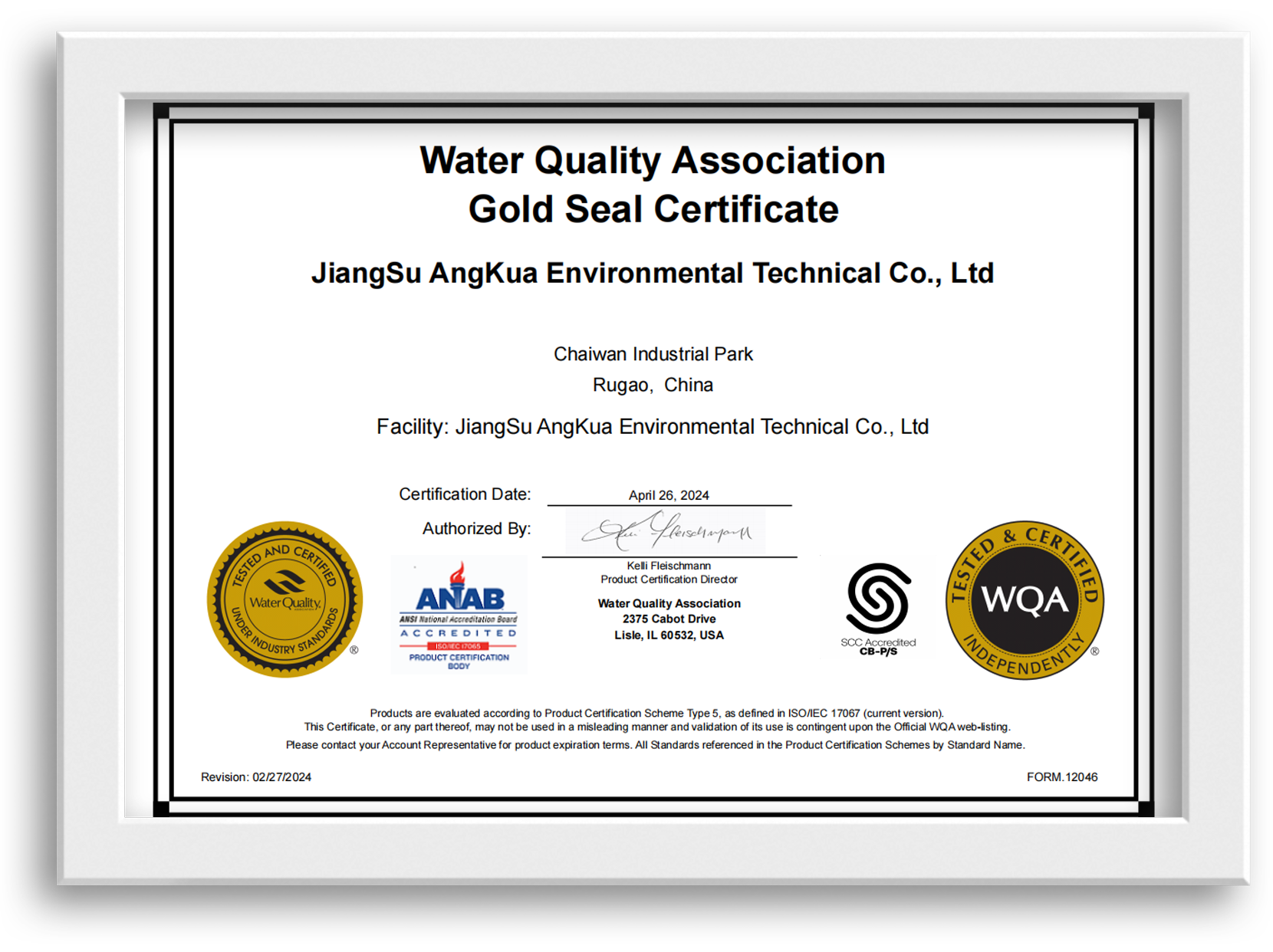
- Quality management follows ISO 9001 and ISO 14001 systems; water-contact materials are produced to NSF and FDA requirements.
- Pipe and connection components comply with DIN 8077, DIN 8078, ISO 15874 and GB/T 18742.
- Every batch is documented so that dimensional and performance consistency can be traced across repeat orders.
OEM/ODM Customization and Documentation
Non-standard work is where this range earns its place. Our R&D team reviews the application data, proposes a media stack and housing geometry, models the interface in 3D, and produces samples for validation before tooling is committed. Customization covers structural dimensions, interface types, media combinations, filtration precision, flow behaviour and branding on labels and packaging.
Alongside production we supply the technical file: dimensional drawings, material declarations, pressure and flow test records, and replacement and handling instructions for the finished appliance or system.
Information We Use to Configure Your Solution
- Target duty — drinking water, utility water, body-contact water, pet water or process fluid.
- Feed water analysis or typical parameters: turbidity, pH, residual chlorine, hardness, temperature.
- Design flow rate, available inlet pressure and acceptable terminal pressure drop.
- Housing or manifold details — cavity dimensions, thread standard, O-ring seat, orientation.
- Control interface requirements for monitored versions, including signal type and connector.
- Expected service interval, annual volume and packaging or private-label requirements.
- Compliance documents required for the destination market and any incoming acceptance test protocol.
Installation, Service Life and Spare Parts
Elements are supplied ready to install with seals and fittings in place; the installer needs only to flush the line, seat the element and check for weeping at the seat before pressurising fully. Commissioning checks cover initial pressure drop and flow, which become the baseline for later maintenance decisions.
Service intervals follow the actual water condition rather than a fixed calendar. Turbidity, pH and pressure fluctuation drive media loading, so we recommend dynamic replacement scheduling based on observed pressure drop. Repeat-production elements remain available as service parts, produced from the same tooling as the original order.
Frequently Asked Questions
What qualifies as an Other Filter in your range?
It covers all filtration components and water appliances that sit outside our refrigerator, pitcher, pool and spa cartridge families — whole-house deep elements, dispenser cartridges, laundry filters, basin and shower elements, pet and gravity cartridges, hydrogen water generators, and non-standard elements built to drawing.
Can you match an existing housing without us changing the manifold?
Yes. We work from cavity dimensions, thread standard, O-ring seat position and flow direction, then model the interface and produce samples so the element seats and seals in the original manifold. Dimensional precision is held by automated measurement rather than manual inspection.
Which water parameters determine the media you select?
Turbidity, pH, residual chlorine, hardness and the frequency of pressure fluctuation are the main drivers. They determine the carbon grade, media mass, layer sequence and realistic service interval, and they explain why the same housing can carry different media for different sites.
Do you supply monitored cartridges for appliances with filter-life indicators?
We produce intelligent variants such as the RF-80 and RF-115 with sensing and detection features, and agree the signal type and connector layout during sampling so the appliance controller can read status reliably.
How is sealing and pressure performance verified before shipment?
Sealing structures are hot-melt welded or injection moulded without adhesive. Elements pass pressure-cycle verification at 1.5 times rated pressure together with flow testing, and each batch is documented so repeat orders can be compared against the original acceptance record.
What do you need from us to quote a customized element?
The duty, feed water parameters, design flow, housing dimensions and interface details, any control interface requirements, expected annual volume and packaging or branding scope. With those, we return a proposed media stack, geometry, sample plan and production schedule.


 Español
 عربى
عربى русский